
AI Dash Cams vs Regular Dash Cams: What Modern Fleets Need to Know
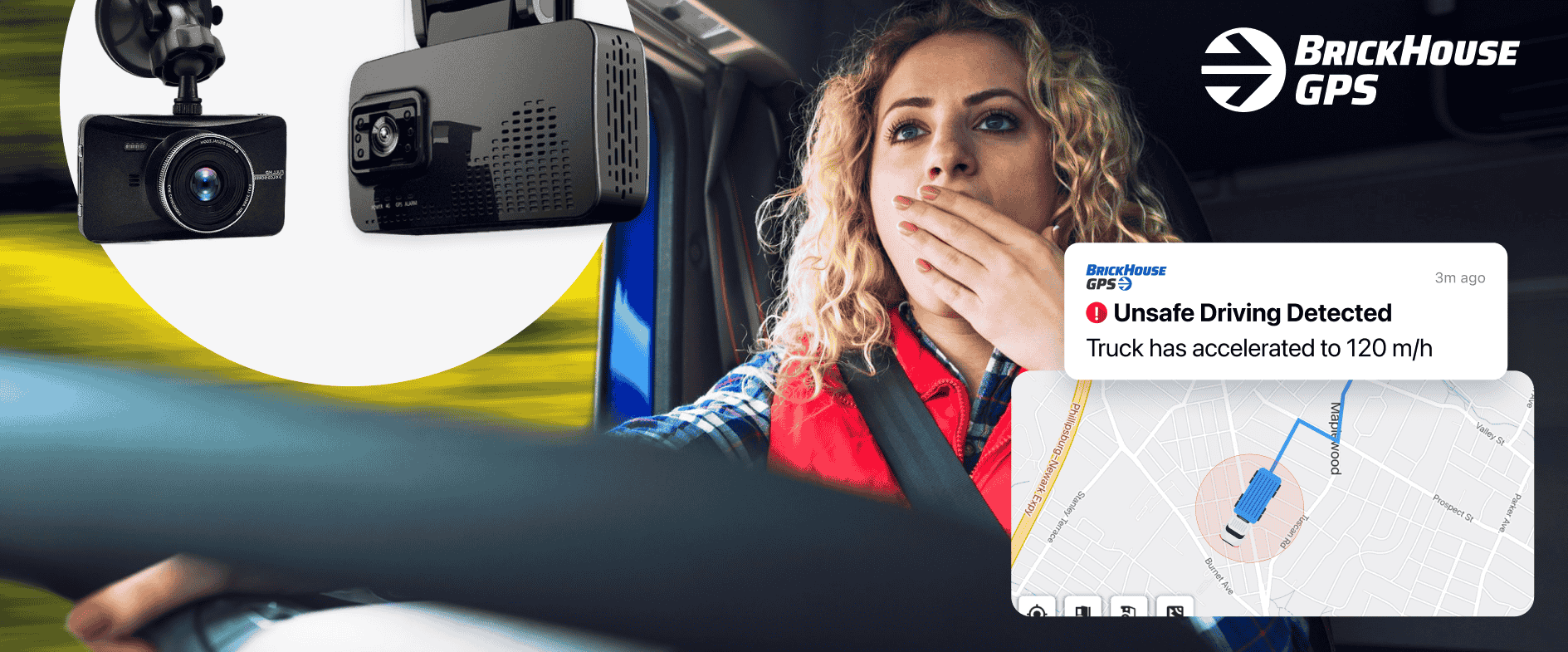
In today’s fleet safety landscape, choosing between AI dash cams vs regular dash cams isn’t a tech question it’s a cost, risk, and accountability question. One system simply records what happened. The other helps prevent it from happening in the first place.
Regular dash cams give you video proof. AI dash cams give you fewer incidents, fewer claims, and stronger driver performance in real time. That’s why modern fleets are ditching passive recording and moving toward intelligent, AI-powered dash cams that detect distracted driving, harsh braking, unsafe behavior, and lane departures before they turn into accidents.
This guide breaks down the differences, the ROI, and the real-world fleet impact so you can choose what actually moves the needle for your operation.
What’s the Difference Between AI Dash Cams and Regular Dash Cams?
Traditional Dash Cams: Basic Recording, Limited Prevention
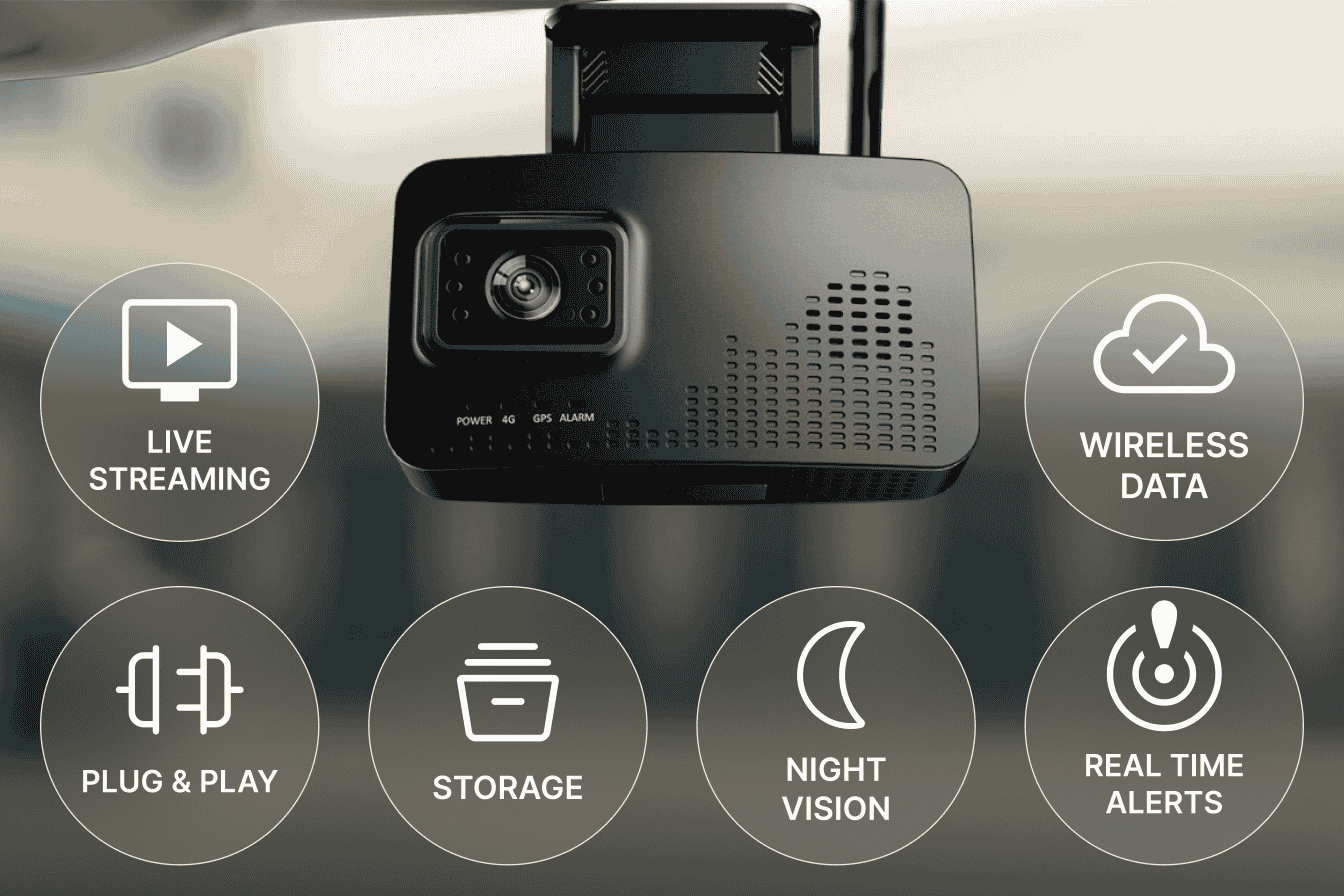
Traditional dash cams do one job: capture footage. They’re fine for after-the-fact reviews and defending against claims, but they do nothing to prevent risky behaviors in the moment.
Pros (Where Traditional Dash Cams Still Work):
- Affordable entry point for fleets just starting with dash cam systems
- Helpful for liability disputes and exonerating drivers with video evidence
- Straightforward to deploy with minimal configuration
Cons (Where They Fall Short for Modern Fleets):
- No real-time alerts to warn drivers about dangerous behaviors like lane departures or phone use
- No detection of risky behaviors such as rolling stops, harsh braking, or drowsy driving
- Manual video review eats time, especially for safety teams managing high-volume footage
- Zero impact on accident prevention or reducing insurance premiums
They’re passive systems. Good for “what happened,” not great for “how do we stop this from happening again?”
AI Dash Cams: Real-Time Coaching, Real-Time Prevention
AI dash cams are smart cameras powered by computer vision and machine learning that actively detect unsafe behaviors and alert drivers instantly.
AI dash cams can:
- Identify high-risk behaviors like distracted driving, rolling stops, drowsy driving, and phone use
- Send instant, in-cab real-time alerts to help drivers self-correct on the spot
- Upload and flag critical video clips to the cloud for fast incident reviews
- Generate automated safety reports that highlight trends, risky behaviors, and high-risk drivers
- Integrate with telematics systems to give a complete picture of driver behavior, fleet safety, and fleet operations
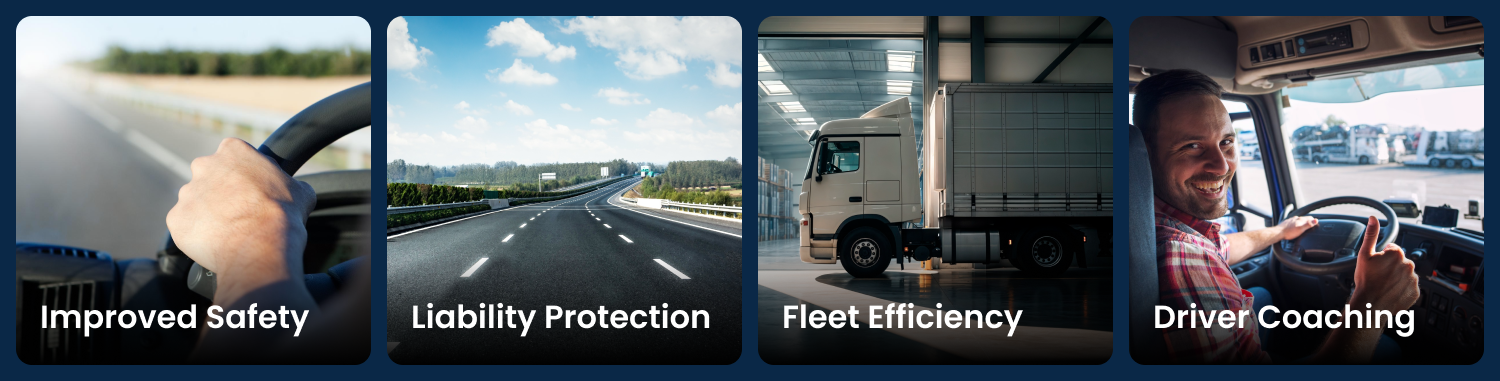
AI-powered dash cams turn every trip into continuous driver coaching, without adding work for safety teams. They deliver the real-time feedback drivers need and the data fleet managers want, all without drowning anyone in unnecessary video footage.
If you want fewer incidents, fewer claims, and fewer surprises, AI dash cams are the system that gets you there.
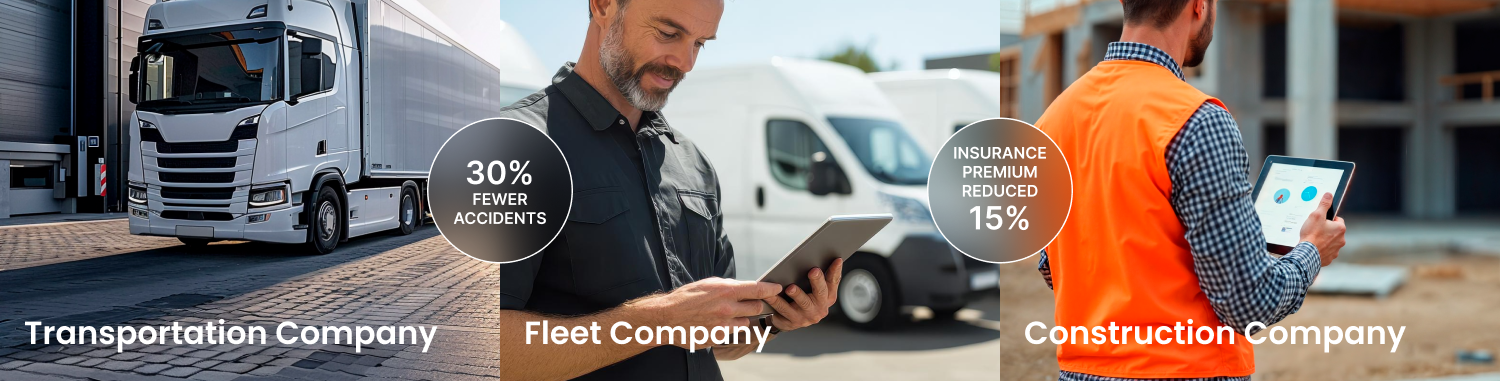
Did you know: AI-powered dual-facing dash cams significantly improved fleet safety over 30 months. Fleets saw a 73% drop in crashes, faster improvements than those using only forward-facing cameras. Large fleets quickly reduced harsh driving events and phone use, with long-term reductions of 69% and 96%. CSA scores also improved, including better unsafe-driving and HOS compliance and major reductions in substance- and alcohol-related violations. Source
AI Dash Cams Versus Regular Dash Cams: Feature Comparison
| Feature | Regular Dash Cams | AI Dash Cams |
| Basic recording | ✅ | ✅ |
| Detecting risky behaviors | ❌ | ✅ |
| Real-time alerts | ❌ | ✅ |
| Driver coaching | ❌ | ✅ |
| Behavior analytics | ❌ | ✅ |
| Cloud storage | ✅ | ✅ |
| False claims defense | Manual | AI-flagged video |
| Integrates with telematics | ❌ | ✅ |
| Enhances driver safety | ???? Limited | ✅ |

4 Reasons AI Dash Cams Are the New Fleet Standard
1. Prevent Accidents Before They Happen
AI dash cams instantly detect risky behaviors, rolling stops, lane drifting, harsh braking and deliver real-time coaching so drivers can self-correct before it becomes an incident. That’s the difference between “caught on camera” and “didn’t happen.”
2. Coach Drivers With Real, Actionable Data
AI dash cam systems surface high-risk drivers, unsafe behavior trends, and safety scores, giving safety teams targeted insights instead of generic training sessions.
Better data → better coaching → better drivers.
3. Lower Insurance Costs & Fewer Claims
AI-powered insights and video proof reduce:
- Accident frequency
- False claims
- Investigation time
- Insurance premiums
When you can exonerate drivers instantly, you win back time and money.
4. Build Stronger Accountability Fleet-Wide
Real-time monitoring and automatic safety reports build a culture where drivers understand expectations and have the tools to improve performance.
It’s not surveillance, it’s support. And fleets see behavior improve within days.
Final Verdict: AI Dash Cams Are a Game-Changer for Fleet Safety

If you’re comparing AI dash cams versus regular dash cams, here’s the no-BS truth every fleet manager already knows in their gut:
- Traditional dash cams = passive recording: They capture footage, store video clips, and help after an incident. Useful? Yes. Preventive? Not even close.
- AI dash cams = real-time prevention + real-time coaching + real-time protection: They actively detect unsafe driving behaviors, send instant alerts, coach drivers in the moment, and give safety teams the data they need to reduce risk across the entire fleet.
AI dash cams don’t just document risky behavior; they help eliminate it. That’s the difference between watching an accident unfold and actually preventing one.
For fleets serious about reducing risk, cutting insurance claims, improving driver performance, and enhancing fleet safety without adding headcount, AI dash cams aren’t a tech upgrade; they’re the new operational standard.
They help drivers self-correct.
They protect your people and your assets.
They deliver statistically significant improvements in safety.
And they give you fewer claims, fewer surprises, and fewer “I need to review this footage” nights.
Ready to Strengthen Your Fleet’s Safety Strategy?
For 20 years, BrickHouse has helped fleets protect their people, assets, and bottom line, without the bloated contracts or slow support typical in this industry.
Explore AI Dash Cam Solutions
Talk to a Fleet Safety Specialist
FAQs
1. What’s the core difference between AI dash cams vs regular dash cams?
AI dash cams detect risky behaviors and alert drivers in real time, helping them self-correct before an incident. Regular dash cams only provide passive recording for later review. One prevents accidents; the other documents them. For fleets focused on safety and accountability, that difference is everything.
2. Can AI dash cams reduce insurance premiums?
Yes. Fleets using AI-powered dash cams typically see fewer incidents, faster investigations, and stronger video evidence, all of which insurers reward. Less risk + fewer claims = better premium outcomes. AI systems help fleet managers proactively reduce high-risk behavior across their teams.
3. Are AI dash cams worth it for small fleets?
Absolutely. Even 5–10 vehicle fleets benefit from real-time alerts, better driver coaching, and fewer false claims. AI dash cams improve driver performance without adding workload to safety teams, making them a cost-effective tool for fleets of any size.
4. What behaviors can AI dash cams detect?
AI dash cams identify distracted driving, drowsy driving, harsh braking, rolling stops, lane departures, phone use, and other unsafe driving behaviors. They act as an in-cab co-pilot, alerting drivers instantly so they can self-correct before risk turns into an incident.
5. How do AI dash cams store video?
Most AI dash cams upload flagged video clips to secure cloud storage, making it easy for fleet managers and safety teams to access incident footage instantly. No manual pulling, sorting, or reviewing hours of basic recording, just the clips that matter.
6. Can AI dash cams integrate with telematics?
Yes. Modern AI dash cams connect seamlessly to telematics systems, giving fleet managers one place to monitor driver behavior, real-time alerts, GPS data, and safety metrics. This unified view strengthens both fleet operations and safety reporting.
7. How do AI dash cams help coach drivers?
AI dash cams deliver real-time coaching, automated safety reports, and behavior analytics, giving safety teams targeted insights into high-risk drivers. Instead of generic training, managers can coach with precision using actual data and video evidence, improving safety faster and more efficiently.