
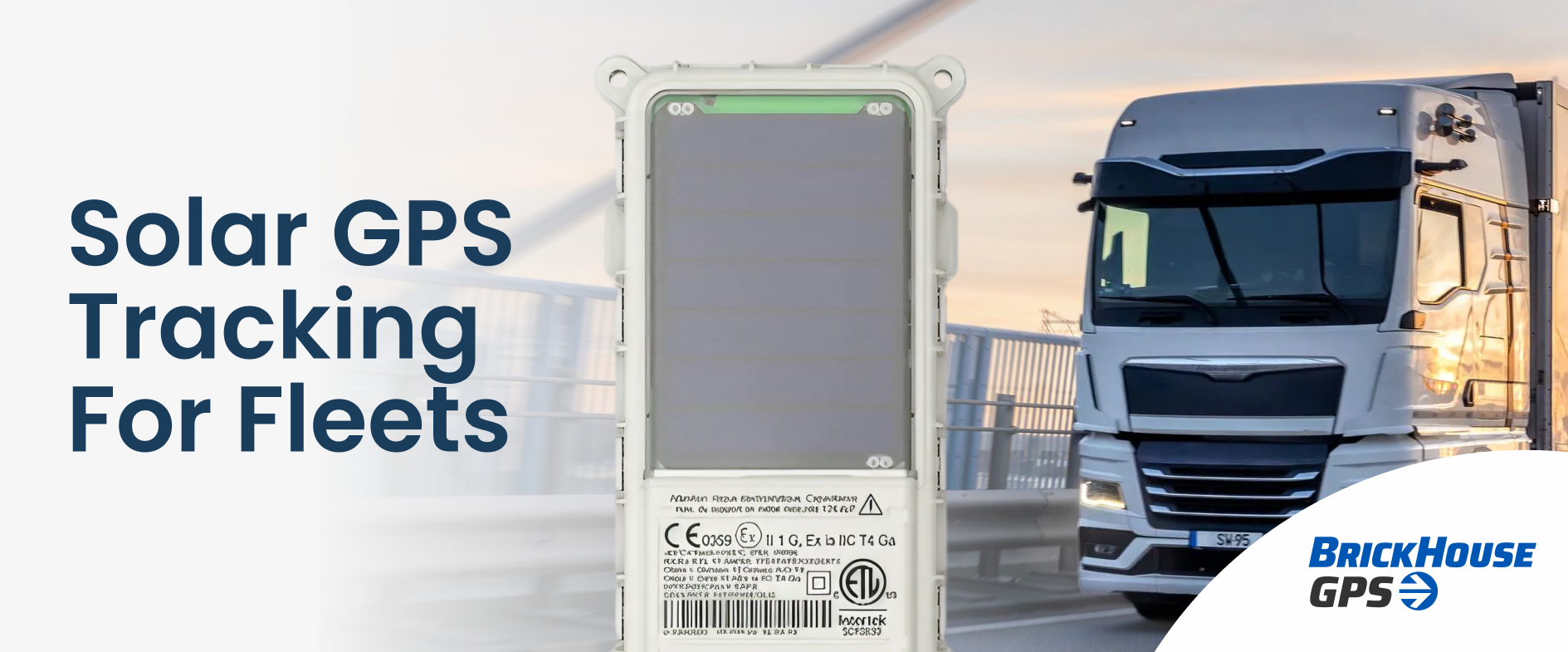
Solar GPS Tracker: Reliable, Long-Term Asset Tracking Without Battery Hassles
When you’re running logistics, construction, or fleet operations, the last thing you need is another dead tracker creating blind spots in your business. You need continuous tracking, real-time visibility, and hardware that stays online as long as your assets do, without eating labor hours or blowing up your maintenance budget.
A solar GPS tracker delivers just that. With an integrated solar panel, rugged build, and always-on connectivity, it gives your team consistent asset intelligence without worrying about battery swaps or hardwired installations.
If your assets live outdoors, move between job sites, or spend days sitting idle in lots, ports, yards, or fields, a solar-powered GPS tracker is a simple way to tighten control, reduce loss, and keep your operation running with fewer surprises.
What Is a Solar GPS Tracker?
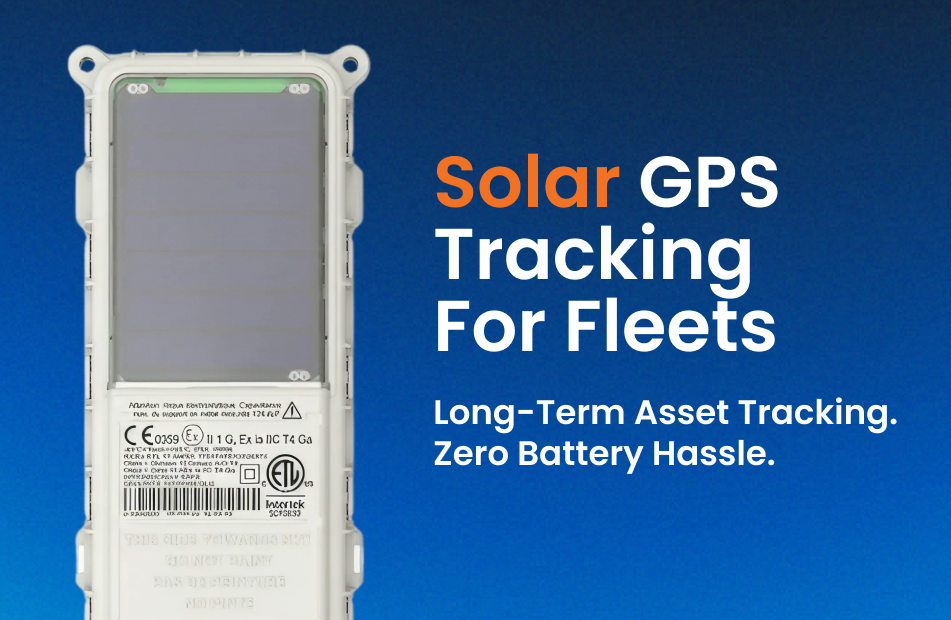
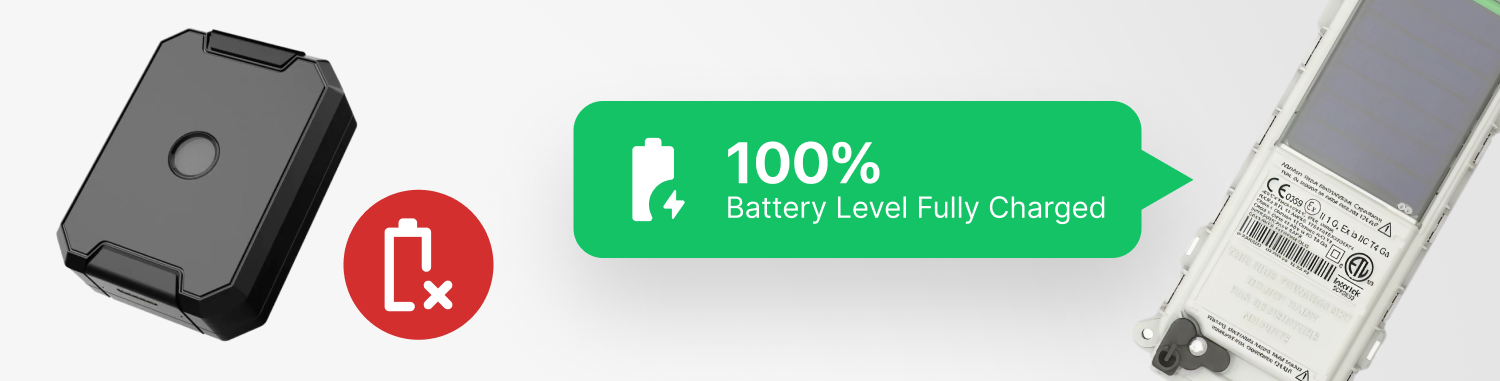
A solar GPS tracker is a self-powered device that harnesses direct sunlight to recharge its internal battery. Unlike standard battery units, solar trackers deliver extended tracking for months or years with minimal maintenance.
These devices provide:
- Real-time location updates
- Automated alerts for motion or unauthorized movement
- Detailed location history and reporting
- Reliable performance in remote areas with fluctuating cellular coverage
For ops teams managing unpowered or outdoor assets, this is the simplest way to improve visibility without adding work to the maintenance queue.
Who This Is For
Solar GPS tracking is ideal for B2B teams responsible for:
- Fleet management
- Construction and heavy equipment
- Trailer operations
- Containers and shipping assets
- Field services and outdoor equipment
- Rental equipment
- Agriculture and utility infrastructure
Your goals are straightforward: protect your assets, reduce waste, improve reporting, and cut the time your team spends chasing equipment instead of running the business.
Why Choose a Solar GPS Tracker?

1. Zero Battery Maintenance
No more swapping batteries in the field or pulling trailers off the line because a device died. A solar-powered tracker stays charged from sunlight and keeps reporting even after long periods of inactivity.
Perfect for:
- Trailers waiting between loads
- Construction equipment parked overnight
- Containers in transit or sitting at depots
- Ag equipment staged in fields
Solar tracking reduces downtime by as much as 60% compared to battery-only devices, saving labor, trips, and budget.
2. Real-Time Visibility From Anywhere
Whether your assets are crossing state lines or sitting on job sites in remote areas, a solar tracker keeps you connected with:
- Live location on your map
- Custom geofences you can create in minutes
- Alerts for motion, tampering, or off-hours activity
- Usage, idle time, and reporting tools for compliance
This is operational control, not once-a-day check-ins.
3. Fast, Simple Install
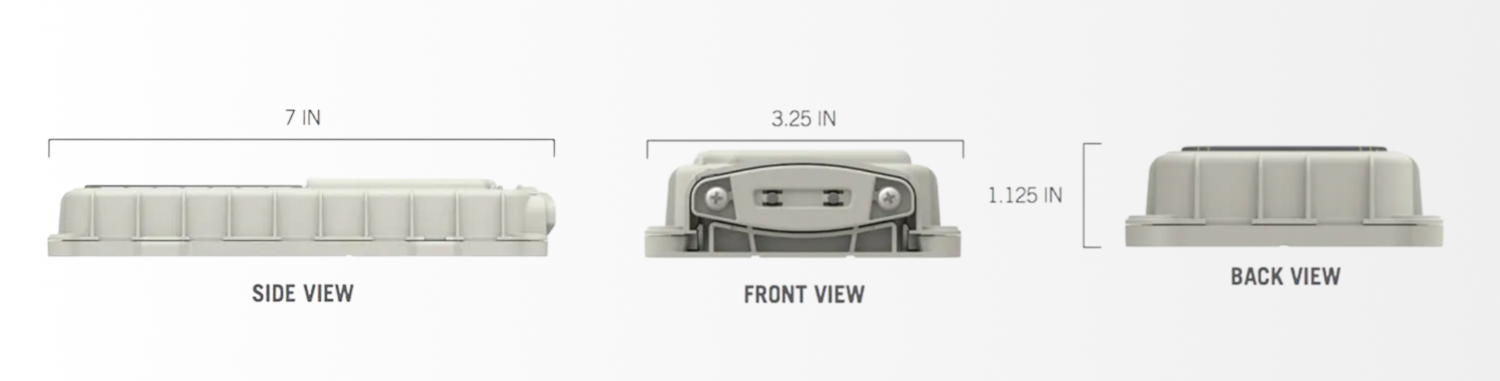
Most solar trackers use magnet, adhesive, or screw mounts.
Attach → activate → track.
No shop time. No downtime. No specialized tools.
Your team gets live visibility in minutes, not days.
4. Built for Extreme Conditions
Solar trackers are engineered for environments where equipment takes a beating:
- Rain, snow, dust, and vibration
- Long exposure to the sun and weather
- Heavy equipment movement
- Temperature extremes
If your assets live outside, the tracker needs to survive in those conditions. Solar units are built exactly for that.
Best Use Cases for Solar GPS Trackers

- Fleet Trailers: Track unpowered trailers across facilities, drop yards, and regional networks. Solar keeps visibility consistent even when units sit idle for weeks.
- Construction Equipment: Bulldozers, generators, compressors, if it lives on the job site, solar keeps you connected.
- Shipping Containers: Monitor containers across land or sea with reliable updates and long-term power.
- Agriculture & Outdoor Equipment: Solar trackers perform exceptionally well in open fields with consistent sunlight.
Key Features to Look For
| Feature | Why It Matters |
| 4G LTE / CAT-M1 / NB-IoT | Broader coverage and future-proof connectivity |
| Long-term data storage | Keeps location history when temporarily out of range |
| Magnet/adhesive/screw mounts | Quick installs and easy relocation |
| Tamper & motion alerts | Immediate notifications for unauthorized movement |
| Geofencing | Automated alerts and movement intelligence |
| IP67+ waterproofing | Reliability in harsh outdoor environments |
How Secure Is a Solar GPS Tracker?
Enterprise-grade solar trackers deliver:
- Encrypted communication
- Secure cloud storage
- Multi-user permission controls
- Accurate reporting across distributed teams
If you’re dealing with high-value freight, rental equipment, government assets, or compliance-heavy operations, these protections matter.
Is a Solar GPS Tracker Right for You?
If you need to track assets, monitor trailers, secure outdoor equipment, or improve visibility across job sites without adding maintenance overhead, solar-powered GPS tracking is a clear win.
You get:
- Lower maintenance costs
- Reliable, continuous tracking
- Better operational visibility
- Stronger security and faster response
- Tools that actually reduce workload, not add to it
It’s a simple, affordable way to tighten control across your fleet and protect your bottom line.
What Next
Need help deciding the right model or quantity?
Explore our Solar GPS Tracker or call a BrickHouse expert at 800-654-7966
FAQs :
What is a solar GPS tracker?
A solar tracker is a rugged, self-powered gps tracker equipped with an integrated solar panel that recharges from direct sunlight. This keeps the device running for long periods without manual charging, making it ideal for tracking assets like trailers, containers, and heavy equipment in remote or outdoor environments.
With continuous location updates, motion detection, and real-time alerts, solar trackers provide reliable asset tracking without the maintenance burden of traditional battery units.
How long do solar trackers last?
Most commercial solar trackers last 5-10 years, depending on operating conditions, sunlight exposure, and the manufacturer’s build quality. Because the integrated solar panel maintains battery life, you get extended tracking with minimal downtime and fewer maintenance cycles, a major cost saver for teams managing large fleet quantities.
Do solar trackers work in cloudy weather?
Yes. A quality solar-powered tracker stores enough power to continue operating through days or weeks of low sunlight. Advanced battery management ensures continuous tracking, even during extended periods of bad weather or when assets sit idle on job sites.
Are solar trackers suitable for fleet trailers?
Absolutely. Solar GPS is built for fleet management and is especially effective for teams that monitor trailers, containers, and other unpowered assets. Whether your trailers move daily or sit idle in yards for weeks, the tracker works consistently without draining power or requiring technician visits.
Are solar trackers waterproof and durable?
Yes. Most models are IP67+ rated, meaning they’re dustproof, waterproof, and engineered for extreme conditions, rain, snow, vibration, heat, and cold. That makes them ideal for construction equipment, heavy machinery, vehicles, and outdoor assets that need reliable tracking in harsh environments.
Do solar trackers require cellular coverage?
Yes. Solar trackers use cellular coverage (4G LTE / CAT-M1 / NB-IoT) to transmit data to the cloud. Some offer satellite fallback for remote areas, ensuring you maintain visibility when traditional networks struggle.
Can I install a solar tracker myself?
Yes. Most units are designed for fast DIY setup using magnets, adhesive, or screw mounts. Simply attach the device, activate it, and you’re live on the map within minutes—no shop time. No wiring. No specialized tools.
Is a subscription required?
Most commercial-grade solutions do require a subscription for reporting, real-time alerts, location history, and cloud data access. This ensures your team gets reliable service, continuous updates, and the security needed for business operations.
What industries use solar trackers?
Solar GPS is trusted across industries where operating environments are harsh, and assets move between locations, including:
- Logistics & transportation
- Construction & heavy equipment
- Agriculture
- Field services
- Utilities & infrastructure
- Rental equipment fleet management
- Mining
- Any team needing to track trailers, containers, vehicles, or outdoor assets
If an asset lives outside or moves between job sites, a solar tracker is almost always the most reliable option.
How accurate are solar GPS trackers?
Top-tier units provide precise location data and timely respond to movement events. This includes motion alerts, unauthorized movement detection, and geofence-based activity. Accuracy is typically within a few meters, giving operators tight control over asset visibility.
Can I create geofences with a solar GPS tracker?
Yes. You can create geofences around sites, yards, customer locations, or restricted zones. The tracker sends alerts when assets enter or exit those boundaries, a must-have tool for monitoring logistics workflows, preventing unauthorized movement, and improving security across job sites.
Do solar GPS trackers help reduce maintenance costs?
Yes. Because the solar panel maintains power, teams avoid constant battery swaps, technician visits, and missed reporting caused by dead devices. That means:
- Lower annual labor
- Fewer service calls
- Less downtime
- Longer battery lifespan
For large fleet management, this alone can decrease the quantity of spare units and significantly reduce operating costs.
Do solar trackers work on heavy equipment and construction sites?
Absolutely. Solar trackers are built for demanding environments, dust, shock, vibration, and weather swings. Perfect for bulldozers, loaders, generators, compressors, and any equipment that stays outdoors on rotating job sites.
Can solar GPS trackers detect unauthorized movement?
Yes. A solar GPS tracker can send immediate, real-time alerts if an asset moves unexpectedly. Whether it’s a trailer being hooked after hours or a piece of equipment being relocated without permission, you get instant visibility to act fast.
How do solar GPS trackers report data?
Trackers send location updates, motion events, and reporting data over cellular networks. This includes:
- Live map access
- Speed and motion data
- Idle time
- Route history
- Maintenance-friendly insights
The system is built for operational clarity, not just dots on a map.
Are solar GPS trackers affordable?
Yes. While the upfront purchase may be slightly higher than a basic battery unit, the long-term ROI is far greater thanks to:
- Lower maintenance
- Fewer manual interventions
- Longer device lifespan
- No need for battery replacement cycles
Teams typically save money in the first year alone.
How secure is the data?
Commercial solar trackers use encrypted communication, secure cloud storage, and multi-user permissions. This ensures your data, assets, and business operations stay protected across teams and locations.
How do I determine how many trackers I need?
For fleet operations, quantity depends on the number of assets you want to track consistently: trailers, containers, vehicles, equipment, or rental items. If you’re unsure, a quick review of your fleet layout and operating flow can help determine the right quantity before you purchase.
Do solar trackers work in remote or off-grid environments?
Yes. As long as assets receive sunlight, the tracker stays charged. In extremely remote areas with limited cellular, some models use satellite fallback to maintain tracking.
Do solar trackers require testing before deployment?
A quick test is recommended: attach the device, confirm it’s reporting properly, verify alerts, and ensure it responds to motion. Once verified, you’re ready for full deployment across your fleet.