
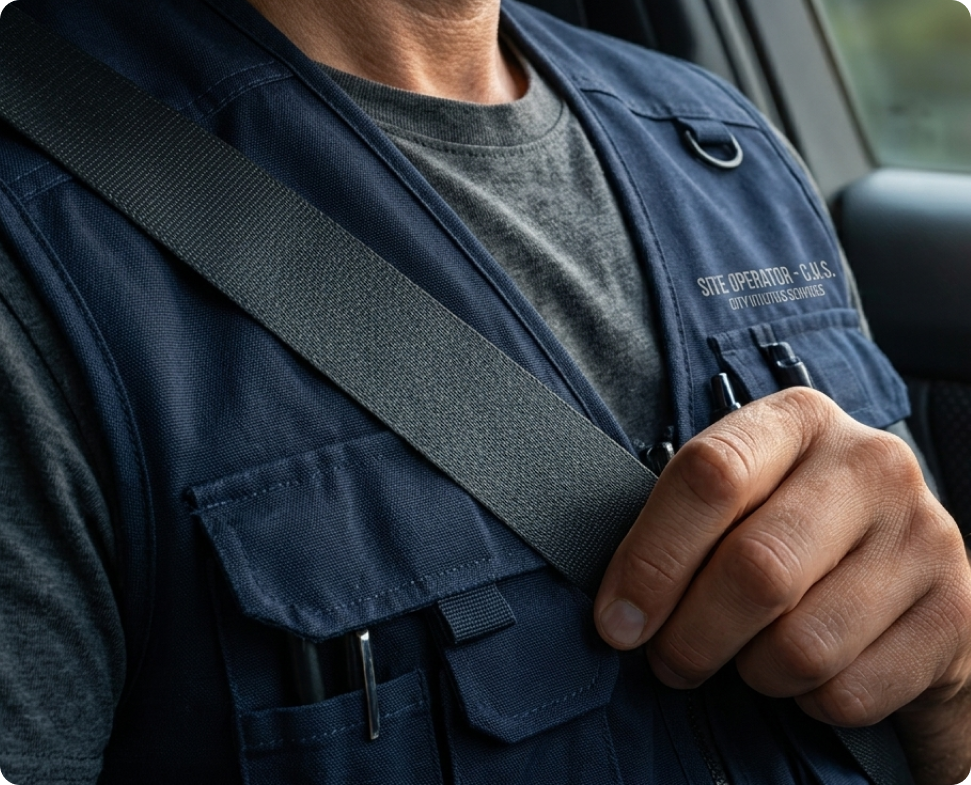
How Much Risk Is Your Fleet Still Carrying?
According to the latest report from the U.S. Bureau of Labor Statistics, private industry employers reported approximately 2.5 million nonfatal workplace injuries and illnesses, along with 5,070 fatal occupational injuries in 2024. Transportation incidents accounted for 38.2% of all workplace fatalities. While these figures represent progress compared to previous years, they remain a staggering reminder of the preventable disruptions affecting businesses and families nationwide.
Safety is on everyone’s mind, especially in the workplace, where increasing compliance requirements are often viewed as burdens that complicate daily operations. In reality, safety should be seen as a key indicator of what every business owner wants: long-term profitability and sustainability. The consequences of poor safety management are extensive and, quite simply, something no organization wants to face.
That’s why at BrickHouse GPS, we join the National Safety Council in observing June as National Safety Month: an opportunity for businesses, especially those in transportation, to take a hard look at the preventable risks that still exist across their operations and the many tools available to reduce them.
Because the truth is both simple and alarming: most occupational incidents, whether on the road or off, are preventable. They typically occur because organizations fail to identify risks before these become consequences.
The Cost of Looking Away
Business leaders already understand that accidents are expensive. What many underestimate is how quickly a single incident can create a chain reaction throughout an organization.
Every incident creates consequences that extend far beyond immediate medical expenses:
- Operational downtime
- Vehicle repairs and equipment damage
- Insurance claims and premium increases
- Legal exposure
- Productivity losses
- Driver shortages and turnover
- Reputational damage
The fleet managers who outperform their competitors aren’t simply reacting to incidents faster. They’re building systems that help prevent incidents from happening in the first place. To learn more about proven strategies for improving fleet safety, check out our guide on Essential Safety Strategies for American Fleets.
Roadway Safety Is Still One of Fleets’ Biggest Vulnerabilities
For organizations that operate vehicles, manage mobile workforces, or depend on field teams, safety challenges become even more complex.
Roadway incidents remain one of the leading causes of occupational fatalities in the United States. According to the Bureau of Labor Statistics, 1,146 workers were killed in roadway incidents involving motorized land vehicles in 2024, making transportation-related events one of the most significant workplace hazards.
For fleet managers, that statistic should be impossible to ignore.
Every distracted driver, every speeding event, every fatigue-related decision, and every missed maintenance issue represents a potential liability waiting to surface.
The good news? Technology has dramatically improved organizations’ ability to identify and address these risks before they become accidents.
Safety Is No Longer Just a Policy. It’s a Visibility Problem.
Most companies already have safety policies; the challenge is enforcement.
You can’t coach what you can’t see, and you can’t improve what you can’t measure. This is where modern fleet management technology has fundamentally changed the game.
Organizations now have access to real-time visibility tools that allow them to identify unsafe behaviors, improve accountability, and create safer operating environments for everyone involved.
Fleet Safety Tools You Can Implement Today
AI-Powered Dash Cameras
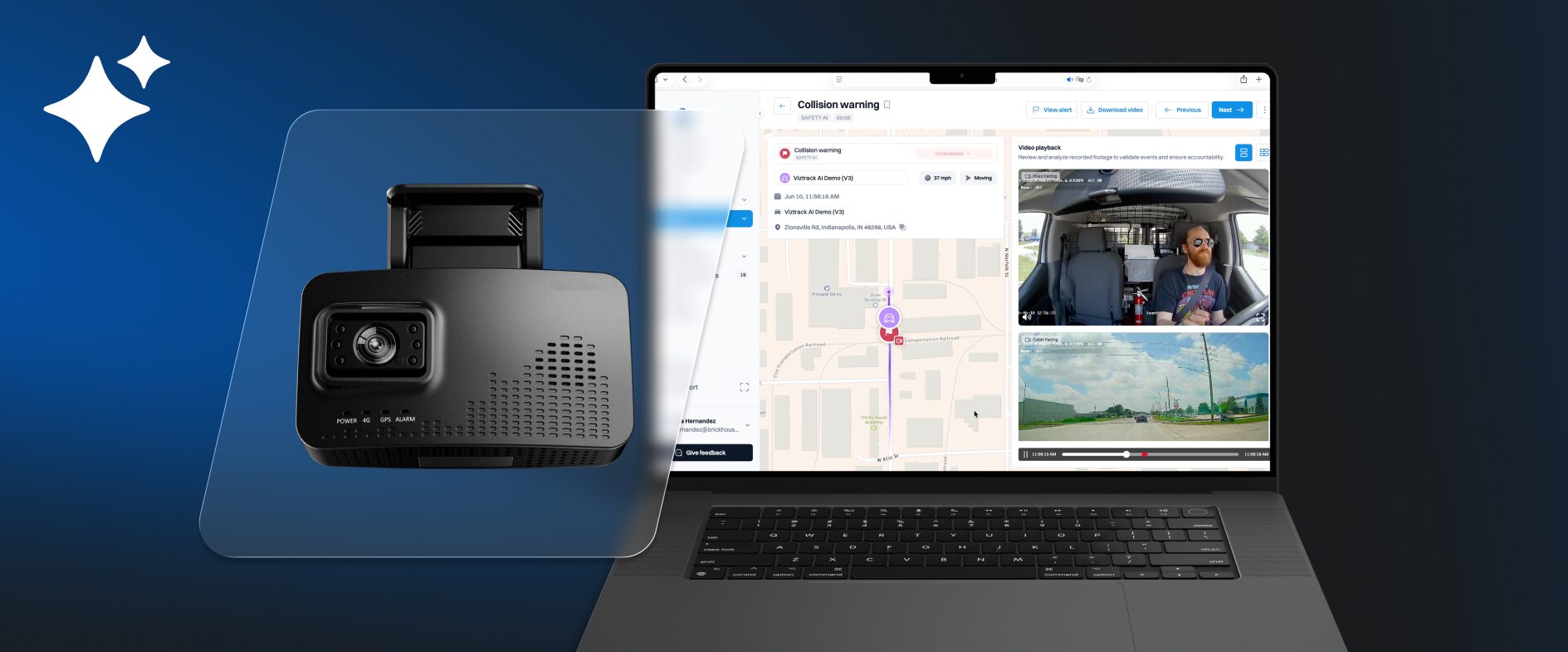
Dash cameras have become one of the most impactful safety innovations in fleet management.
Modern AI-powered dashcams can detect:
- Harsh braking
- Rapid acceleration
- Distracted driving
- Following too closely
- Phone usage behind the wheel
- Other high-risk driving behaviors
Instead of learning about unsafe driving after a collision occurs, fleet managers can proactively coach drivers and correct risky habits before they lead to incidents.
Beyond improving driver performance, dashcams provide high-definition video evidence that helps fleet managers:
- Defend against false claims
- Accelerate insurance investigations
- Establish fault when accidents occur
- Strengthen internal safety programs
For many fleets, the visibility alone provides valuable insights that improve overall operations.
GPS Tracking Systems
GPS tracking is often associated with productivity and asset visibility, but its safety impact is just as significant.
Real-time vehicle tracking allows fleet managers to:
- Know where vehicles are operating
- Identify unauthorized vehicle use
- Respond faster during emergencies
- Optimize routes to reduce unnecessary road exposure
- Eliminate pressure that encourages speeding
When drivers know routes are optimized and managers have visibility into operations, there is less incentive to rush and more opportunity to focus on safe driving practices.
Electronic Logging Devices (ELDs)
Few technologies have had a greater impact on trucking safety than the Electronic Logging Device.
At its core, an Electronic Logging Device (ELD) automatically records a commercial driver’s Hours of Service (HOS) data. This automated tracking ensures strict compliance with Federal Motor Carrier Safety Administration (FMCSA) regulations, replacing outdated paper logs with precise, tamper-resistant digital records.
Ultimately, an ELD for trucks helps mitigate one of the most dangerous risks on the road: driver fatigue. By automating HOS tracking and aligning with the FMCSA electronic logging device mandate, these systems ensure drivers stay within safe, allowable driving limits.
Whether operating a single vehicle or managing hundreds of assets, implementing a reliable ELD solution creates greater accountability while significantly reducing exposure to fatigue-related incidents.
Automated Alerts and Geofencing
Sometimes the difference between a near miss and a major incident is timing.
Automated fleet alerts can notify managers when:
- Vehicles enter restricted areas
- Assets leave designated routes
- Speed thresholds are exceeded
- Unauthorized movement occurs
- Maintenance deadlines approach
Geofencing technology adds another layer of protection by establishing virtual boundaries around job sites, service areas, customer locations, or high-risk zones.
Instead of reacting after an issue occurs, managers gain the opportunity to intervene before conditions escalate, the same advantage provided by the real-time visibility of AI-powered dashcams.
Safety Isn’t a Compliance Exercise. It’s a Leadership Decision.
National Safety Month isn’t about posters. It isn’t about slogans. And it’s certainly not about checking a compliance box.
It’s about recognizing that every preventable incident represents a failure somewhere in the chain of visibility, accountability, or action.
Organizations that consistently build safer operations don’t wait for accidents to force change. They invest in better information, leverage technology, coach safer behaviors, and create systems that help their people make better decisions every day.
About the National Safety Month
The National Safety Council launched National Safety Month in 1996 to raise awareness about preventable injuries and fatalities both on and off the job. Thirty years later, the mission remains just as relevant. Preventable injuries continue to rank among the leading causes of death in the United States.
National Safety Month Is the Perfect Time to Take Action

The companies that thrive over the long term understand something many competitors overlook: safety isn’t separate from operational excellence.
Every accident avoided protects people. Every improvement in visibility creates opportunities to operate smarter, safer, and more sustainably.
This National Safety Month, take an honest look at your operation. Where are the blind spots? What risks are you still accepting? And what would change if you had the visibility to address them before they became problems?
BrickHouse GPS helps businesses of every size improve fleet safety with real-time visibility tools designed to keep people, vehicles, and operations moving safely every day of the year.