
Autumn Gridlock Is Bringing More Traffic. Is Your Fleet Ready?
Summer traffic is a nice break, but it never lasts. With schools closed, morning commutes are easy, transit times drop, and technicians can often get from one appointment to the next without major delays. However, schedules that feel comfortably manageable in July can look very different once the school year begins. To prevent delays, implementing effective fleet route optimization early is crucial before parents, buses, students, and commuters all return to the roads.
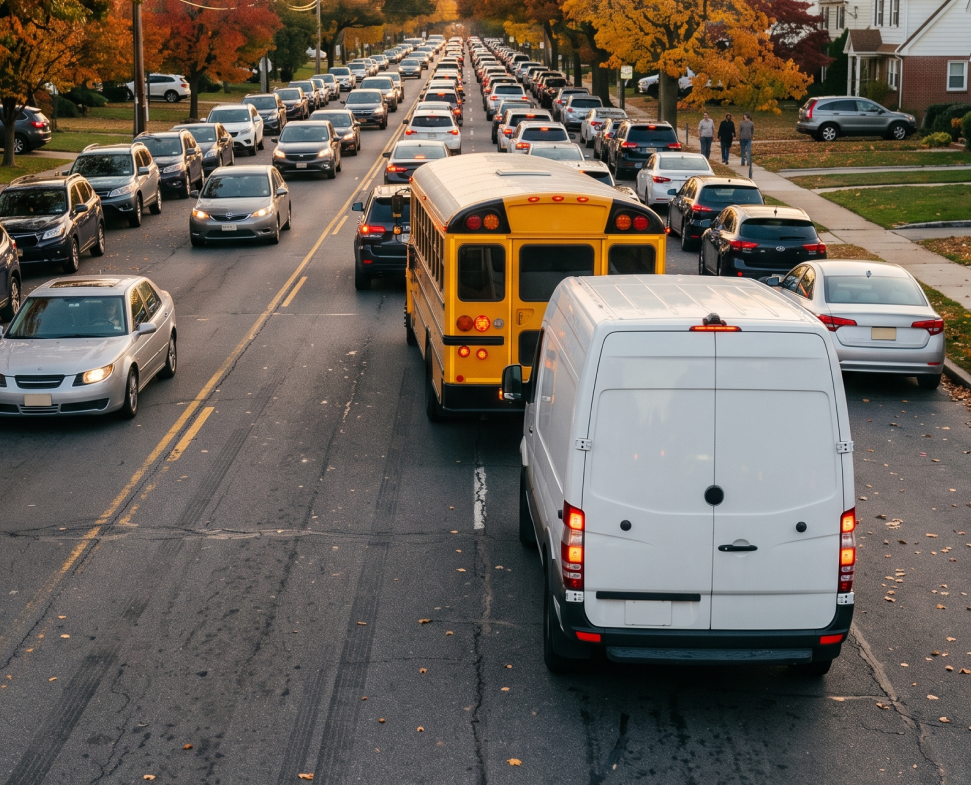
The transition into the back-to-school season happens every single year. Yet for many fleet operators, the sudden autumn gridlock catches dispatch schedules completely off guard. Routes that took 20 minutes in July suddenly take 45 in September. Crews fall behind before lunch, customers start complaining, and fuel budgets take a hit from extended idling.
You cannot stop the back-to-school rush from happening, but you can prevent it from wrecking your schedule. Navigating peak season requires moving away from static routing and embracing fleet route optimization during peak traffic. By combining real-time tracking, dynamic dispatching, and intelligent safety monitoring, your business can keep vehicles moving. You preserve customer trust and maintain profitability while everyone else is stuck in traffic.
Why Back-to-School Traffic Hits Fleets So Hard
The back-to-school traffic spike is not just in your head. It is a well-documented drain on field operations. According to transportation data from the Federal Highway Administration, urban and suburban road congestion increases by 10 to 25 percent almost overnight as school buses, parent drop-off lines, and returning commuters re-enter the morning grid. For commercial fleets, this sudden shift creates three major operational headaches:
1. School Zone Bottlenecks and Reduced Speeds.
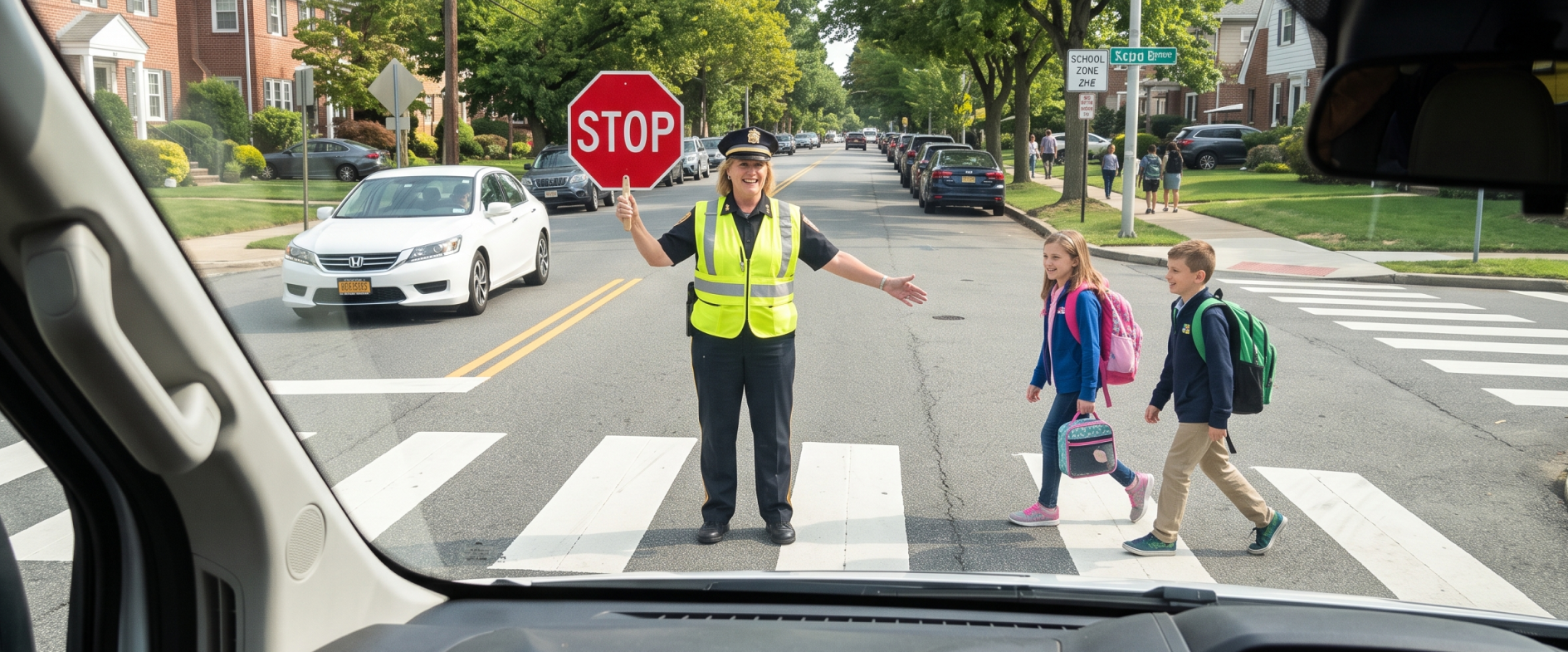
School zones drop speed limits to 15 or 20 mph and introduce dense pedestrian traffic, crossing guards, and frequent bus stops. A single school zone along a primary service route can delay a driver by 15 to 20 minutes during morning drop-off and afternoon dismissal.
2. Compounding Schedule Slippage.
When a service technician is delayed 15 minutes on their first appointment of the day, that delay compounds across every subsequent stop. By mid-afternoon, the final appointments face massive arrival windows or outright cancellations.
3. Elevated Fuel and Idling Costs.
Stop-and-go school traffic drastically decreases fuel efficiency. Vehicles crawling through traffic corridors consume significantly more fuel per mile while generating extra wear and tear on braking systems.
If your dispatch team relies on route plans built during the summer, late arrivals are guaranteed. Effective fleet management during peak traffic requires adapting your routes to match real-world road conditions before your vehicles roll off the lot.
Bypassing Bottlenecks with Real-Time Fleet Route Optimization
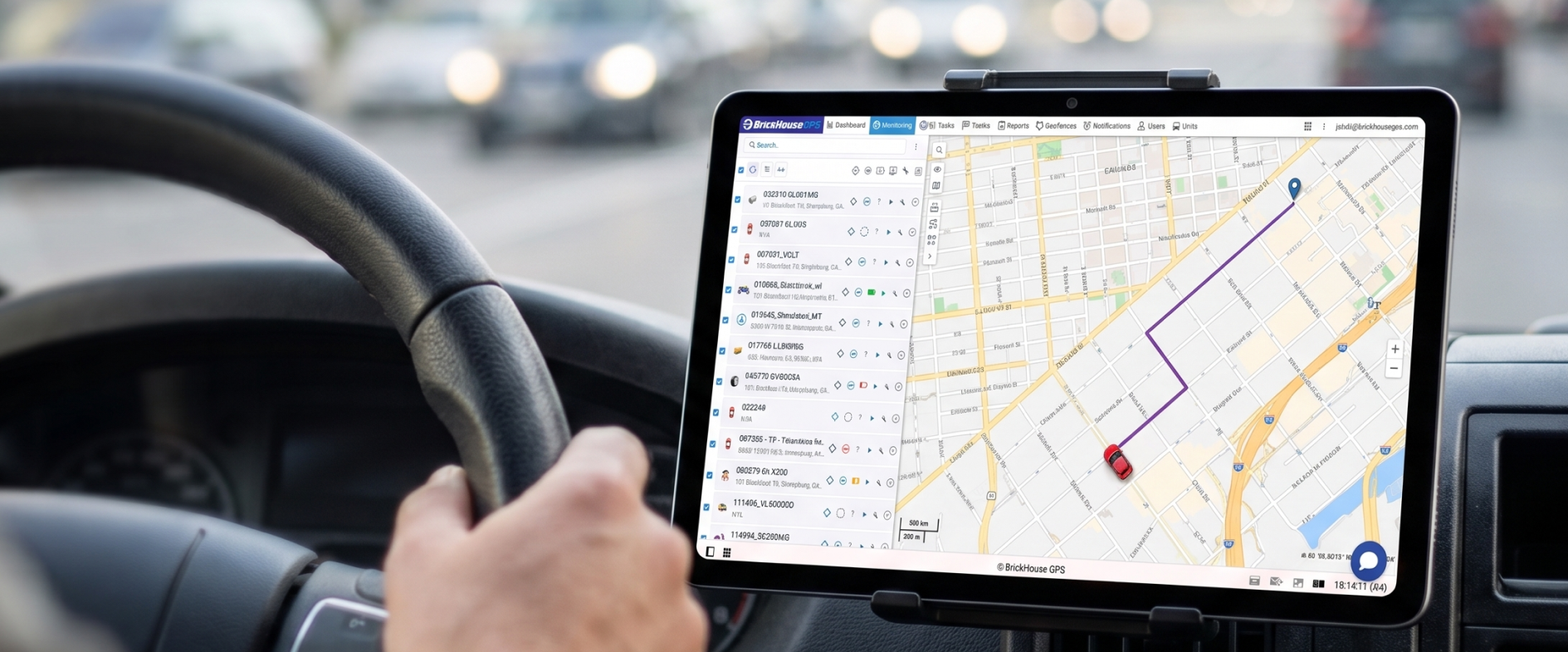
When traffic patterns shift dramatically, fixed schedules become a liability. Learning how to optimize fleet routes during the autumn rush requires combining live visibility with dynamic routing capabilities.
Rerouting Around High-Risk Congestion Zones
Modern real-time fleet tracking allows dispatchers to monitor actual road conditions and driver locations simultaneously. Instead of sending a driver down a traditional highway artery that runs directly past major school districts, dispatchers can utilize dynamic rerouting tools to guide drivers along alternate bypass corridors.
Matching Jobs to Live Location, Not Static Zones
If an urgent service call comes in during peak morning traffic, dispatching the assigned area technician who happens to be stuck across town behind a string of school buses makes little sense. Using live GPS tracking, fleet managers can identify which driver is physically closest and has a clear route, cutting dispatch delays and minimizing unnecessary transit time.
Preserving Fuel and Reducing Idle Time
Unproductive idling in school zones or backed-up highway off-ramps burns through fuel without generating billable revenue. Fleet tracking for traffic management gives operators clear visibility into idle times, helping teams adjust departure times or re-sequence customer visits to avoid sitting motionless in peak hour traffic jams.
Keep Customers in the Loop
In service-based industries, traffic delays are frustrating, but uncommunicated traffic delays are business killers. Customers rarely abandon a service provider because of a traffic jam. They abandon them because they were left hanging without updates. Managing customer expectations during high-traffic seasons relies heavily on reliable fleet ETA tracking.
Accurate, Automated Arrival Updates
When a driver gets caught in an unavoidable bottleneck, dispatch should not have to scramble or call the driver to get an update. Real-time GPS mapping updates arrival projections automatically based on actual movement speeds, allowing your office team to adjust appointment expectations proactively.
Shareable Live Map Links for Ultimate Transparency
One of the most effective tools for reducing customer friction during peak traffic is providing shareable live map links. Dispatchers can send customers a temporary, secure tracking link via text or email when a technician is on the way. This link allows the customer to watch their service vehicle approach in real time on a live map. It achieves three vital goals:
- It eliminates customer anxiety regarding late arrivals.
- It drastically reduces incoming support calls to your front office.
- It builds trust by showing customers that your business values their time.
School Zone Safety and Driver Behavior Alerts
Navigating congested morning traffic is not just about speed and arrival times. It is fundamentally about safety. As school zones reactivate, commercial drivers face higher-density pedestrian areas, unpredictable young walkers, and a strong law enforcement presence.
A single traffic violation or safety incident in a school zone damages your business reputation and leads to steep fines. Implementing targeted school-zone driver safety measures is critical.
- Setting Up Customizable Driver Safety Alerts. Using proactive fleet driver safety alerts, fleet managers can set customized threshold notifications for specific driving events.
- Speeding in Restricted Zones. Instant alerts notify management if a driver exceeds posted speed limits in active school zones or residential neighborhoods.
- Harsh Braking and Acceleration. Rapid braking often indicates tailgating or distracted driving in heavy traffic. Monitoring harsh events helps identify drivers who may be driving defensively or aggressively under pressure.
- Excessive Idling. Automatic alerts highlight drivers who leave engines running unnecessarily during long drop-offs.
By addressing aggressive or risky driving habits in real time, you protect your reputation, safeguard pedestrians, and keep insurance costs manageable during the highest risk months of the year.
Use Route History to Make Next Year Easier
Peak traffic management should not rely solely on reactive decisions. The best fleet operators use past data to build long-term operational resilience.
Every journey your commercial vehicles make generates actionable data. Leveraging fleet route history and detailed breadcrumb reporting allows fleet managers to analyze seasonal traffic patterns and make structural improvements to weekly schedules.
How to Use Historical Route Data for Continuous Improvement:
Identify Recurring Seasonal Bottlenecks. Review route logs from previous years or the first two weeks of September to pinpoint specific intersections, school zones, and highway ramps that consistently experience heavy delays between 7:00 AM and 9:00 AM.
Re-sequence Daily Stop Schedules. Restructure appointment orders so drivers visit residential zones or high congestion areas during off-peak midday windows rather than peak commute times.
Establish Permanent Secondary Routes. Equip drivers with pre-planned fallback routes for high-traffic corridors so they do not have to figure out alternative shortcuts while behind the wheel.
Keep Control When the Roads Get Busy
To ensure your business remains on schedule as road congestion picks up, implement this practical checklist.
Audit Summer Schedules.
Adjust transit windows upward by 15 to 20 percent near high-density school zones.
Set Up Safety Thresholds.
Keep drivers accountable and prevent speeding in active school zones using targeted alerts.
Enable Live Tracking Links.
Allow customers to see ETA updates to cut down on incoming support calls.
Review Breadcrumb Logs.
Identify recurring bottlenecks to build reliable secondary routes based on historical data.
Driver Safety Briefing.
Remind drivers that safety takes priority over rushing through traffic jams.
You don’t need to control the traffic. You need to stay in control of your fleet.
Navigating the autumn gridlock requires telematics technology that works as hard as your team does. BrickHouse GPS makes that easier with real-time tracking, driver behavior monitoring, route history, shareable live map links, and dedicated human support. And with no long-term contracts required, you can scale your tracking as your business changes without getting locked into a rigid commitment.
You own your hardware outright, it’s shipped in 48 hours, and we handle the platform setup according to your operational preferences so you are up and running from day one, without technical setup headaches.
Real-Time Live Tracking and Dynamic ETA Sharing. Monitor every vehicle across your entire fleet in real time, optimize routes around active traffic bottlenecks, and send shareable live map links directly to your customers.
Driver Safety and Behavior Monitoring. Set customizable speed and harsh driving alerts to protect your drivers and your business reputation in active school zones.
No Contracts and Dedicated Human Support. Scale your fleet tracking up or down without restrictive long-term contracts, backed by dedicated account managers and human support whenever you need assistance.
When summer ends and the roads get crowded again, don’t let traffic dictate how your day goes. Give your team the visibility to adapt, keep customers informed, and keep your fleet moving.