Customers judge results, not excuses. Fleet delivery tracking gives you the real-time control to hit every window, eliminate delays, and prove service was delivered—even when pressure spikes.
Missed windows lose contracts. In the age of next-day delivery, saying “I’ll check with the driver” is a failure. If you can’t see the route in real-time, you are managing by guesswork.
What is GPS tracking for distribution and delivery companies?
GPS tracking helps distribution and delivery businesses monitor vehicles, drivers, and deliveries in real time. It provides full visibility into fleet operations, ensuring efficient routing, timely deliveries, and improved asset security.
How does GPS tracking improve delivery efficiency?
GPS tracking optimizes routes, reduces delivery delays, and provides accurate ETAs. Dispatchers can quickly adjust routes to avoid traffic, missed stops, or unexpected delays.
Can GPS tracking help with last-mile delivery management?
Yes. GPS tracking is especially valuable for last-mile delivery by improving route accuracy, reducing failed deliveries, and providing real-time location updates to customers.
Does GPS tracking provide proof of delivery?
Yes. GPS tracking can confirm delivery times and locations, helping businesses verify completed deliveries and resolve customer disputes.
Can I track multiple delivery vehicles from one dashboard?
Yes. All vehicles can be tracked from a single, centralized dashboard with live maps, vehicle status, and delivery progress updates.
Will I receive alerts for unexpected vehicle activity?
Yes. With geofencing and alert notifications, you’ll be notified if a vehicle deviates from its route, enters restricted areas, or operates outside scheduled hours.
How accurate is GPS tracking for delivery vehicles?
GPS tracking provides highly accurate, real-time location data, typically within a few meters, ensuring reliable tracking for local and regional delivery operations.
Does GPS tracking help reduce fuel and operational costs?
Yes. By minimizing idle time, optimizing routes, and monitoring driver behavior, GPS tracking helps lower fuel costs and reduce overall operating expenses.
Do delivery GPS trackers require installation?
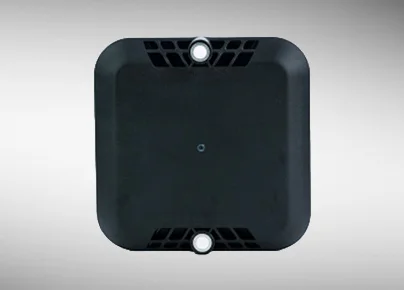
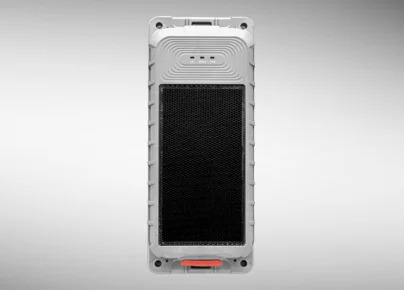
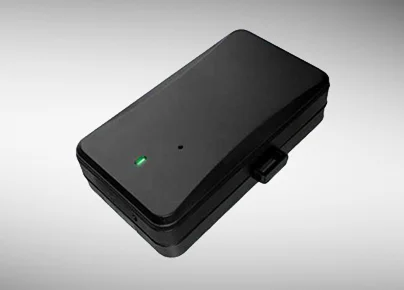
Some GPS trackers require installation, while others are plug-and-play or battery-powered. The right option depends on vehicle type and tracking requirements.
Can GPS tracking improve driver performance and accountability?
Yes. GPS tracking provides insights into driving behavior such as speeding, harsh braking, and excessive idling, helping improve safety and accountability.
Is GPS tracking suitable for both small and large delivery fleets?
Yes. GPS tracking solutions are scalable and can support small local delivery teams as well as large distribution fleets.
Do I need special software to use GPS tracking?
No. Tracking platforms are web-based and mobile-friendly, allowing access from any device without additional software.
Is GPS tracking useful for protecting vehicles and cargo?
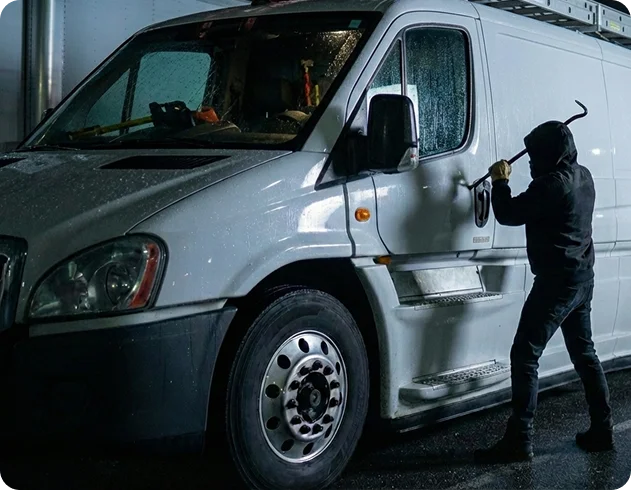
Absolutely. Real-time tracking and alerts help deter theft and allow faster recovery of vehicles or high-value shipments.