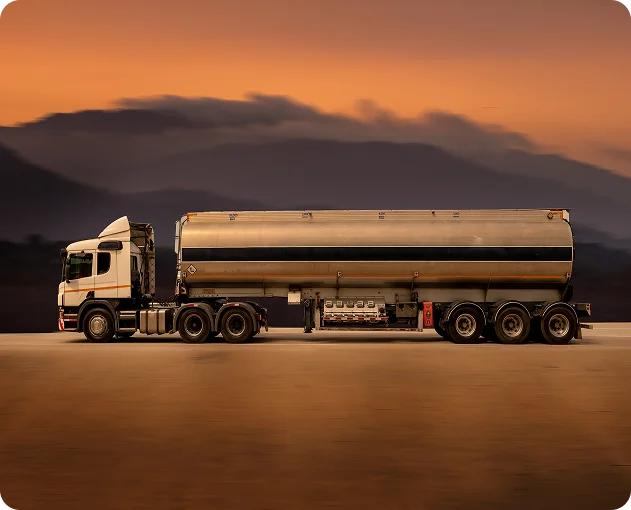
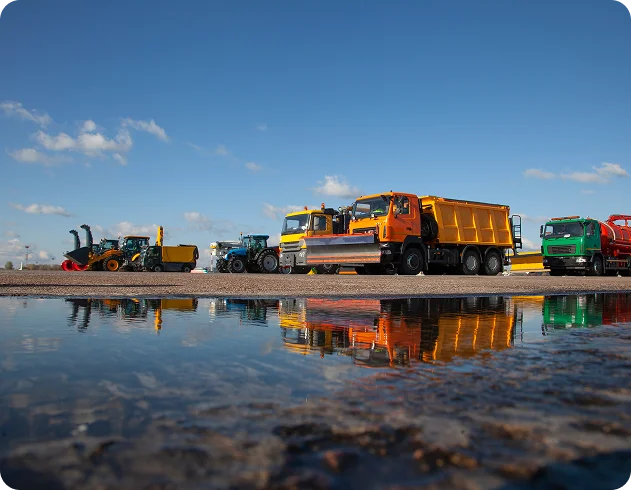
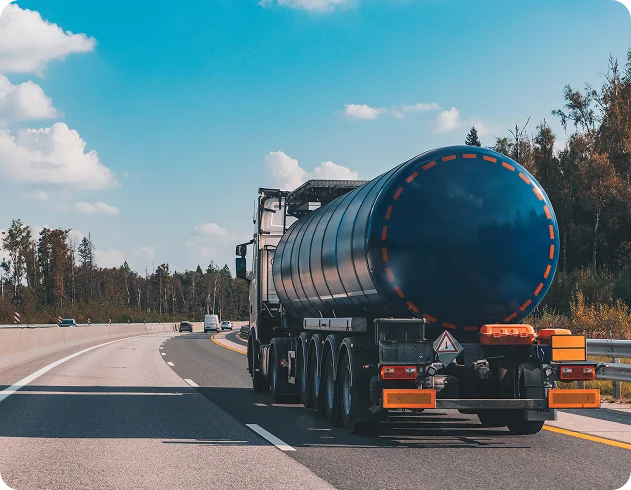
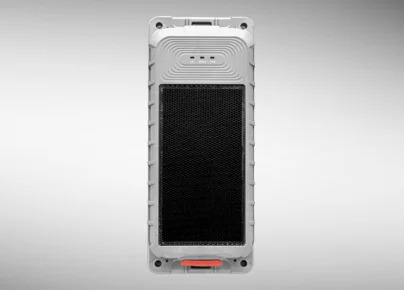
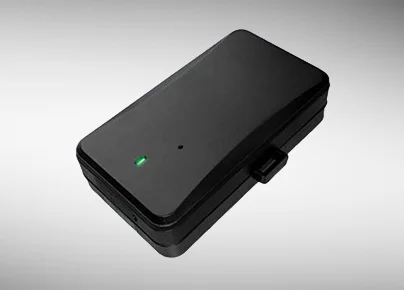
Your operations run where roads end. Oil and gas fleet tracking delivers real-time control over vehicles and equipment where uptime is non-negotiable and safety is critical.
In this industry, “I think it’s there” is dangerous. A lost asset isn’t an inconvenience; it’s a production shutdown. Operating blind in hazardous environments leaves your crew and margins at risk.
The Solution
Build a Wall Against Downtime
BrickHouse GPS delivers oil and gas fleet tracking built to survive the mud, the dust, and the distance. Maintain absolute authority over your remote sites.
What is GPS tracking for oil, gas, and mining operations?
GPS tracking provides real-time visibility into vehicles, heavy equipment, and remote assets used in oil, gas, and mining operations. It helps improve safety, operational efficiency, and asset security in challenging environments.
How does GPS tracking support remote and off-road operations?
GPS tracking works in remote and off-road locations by using satellite and cellular networks to provide accurate location data. This ensures continuous monitoring of assets operating in mines, oil fields, and exploration sites.
Can GPS tracking help monitor heavy equipment and machinery?
Yes. GPS tracking is ideal for monitoring heavy equipment such as excavators, drills, generators, and service vehicles, helping prevent misuse, unauthorized movement, and downtime.
Does GPS tracking improve worker safety in oil and mining sites?
Absolutely. GPS tracking helps locate vehicles and assets quickly during emergencies, improves response times, and supports safety protocols in hazardous work environments.
Can I receive alerts for unauthorized asset movement or usage?
Yes. Geofencing and alert notifications notify you immediately if equipment moves outside approved zones, operates after hours, or is used without authorization.
How accurate is GPS tracking in harsh environments?
Industrial-grade GPS tracking devices deliver highly accurate location data, even in rugged terrain, typically within a few meters, depending on environmental conditions.
Does GPS tracking help reduce equipment theft and loss?
Yes. Real-time tracking, movement alerts, and location history significantly reduce theft risk and improve recovery of stolen or misplaced assets.
Can GPS tracking help optimize fuel usage and maintenance?
Yes. GPS tracking provides insights into engine hours, idle time, and equipment utilization, helping reduce fuel waste and schedule preventive maintenance.
Do GPS tracking devices require professional installation?
Some devices require professional installation for hardwired equipment, while others are battery-powered for quick deployment on movable assets.
Is GPS tracking scalable for large oil, gas, and mining operations?
Yes. GPS tracking solutions are fully scalable and can support hundreds or thousands of assets across multiple sites and regions.
Will GPS tracking work with long-term projects and temporary sites?
Yes. GPS tracking is well-suited for both long-term infrastructure projects and temporary exploration or drilling sites.
Do I need special software to access tracking data?
No. GPS tracking platforms are web-based and mobile-friendly, allowing access from anywhere without special software installations.
How does GPS tracking support compliance and reporting?
GPS tracking provides detailed location history, usage reports, and activity logs, helping organizations meet regulatory and operational reporting requirements.