What Is Asset Tracking?
If you’ve ever had a truck go missing, a piece of equipment vanish, or a job stall because no one knows where something is, you’ve felt the pain that asset tracking solves.
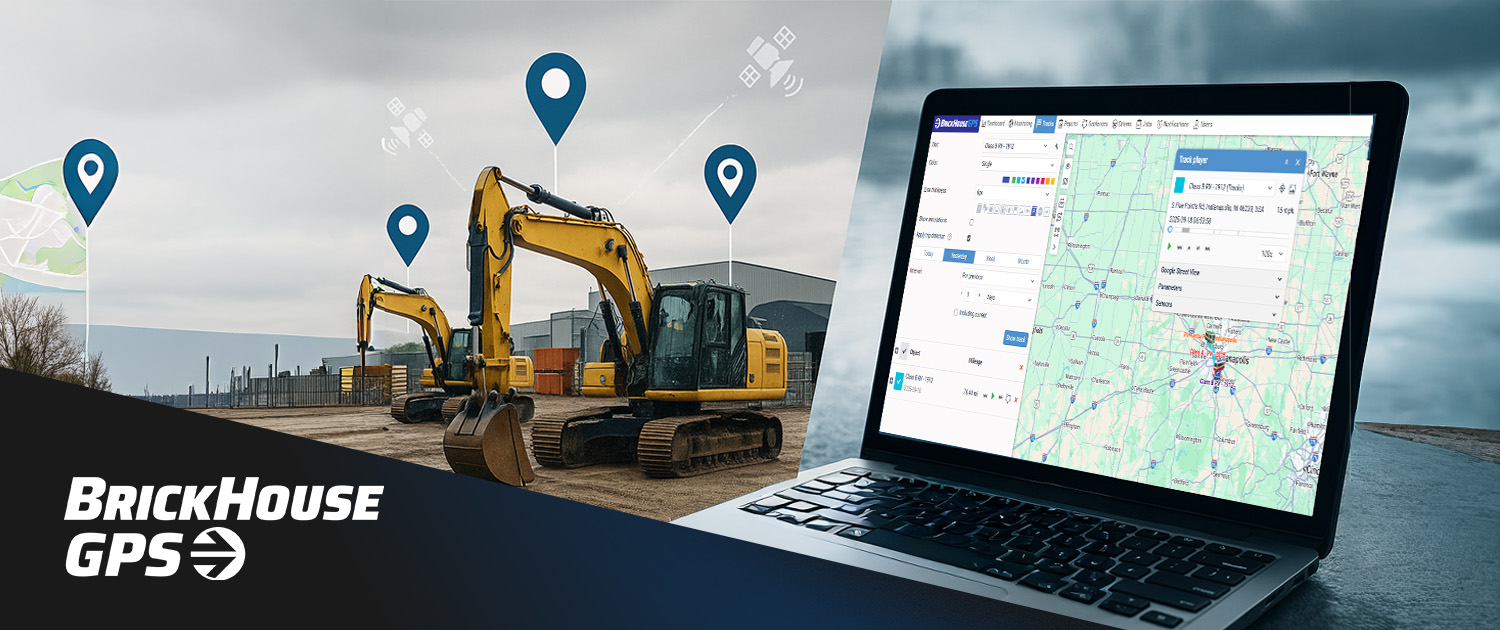
In plain terms, asset tracking means monitoring your company’s physical assets, vehicles, tools, machinery, and IT gear, in real time. You’ll know where they are, how they’re used, and when they need service.
For business owners and fleet managers, asset tracking isn’t “nice to have.” It’s a control system that drives efficiency, accountability, and measurable ROI.
Why It Matters: The Business Reality
Your business runs on physical assets, vehicles, equipment, tools, technology, and more. Lose track of them, and you’re not just missing stuff; you’re bleeding time, money, and credibility. That’s why asset tracking isn’t optional anymore; it’s the foundation of smart, data-driven operations.
Here’s the truth: every company says they “manage assets,” but without a reliable asset tracking system, what they really have is chaos in a spreadsheet. And chaos costs.
The Pain Points We Hear Every Day
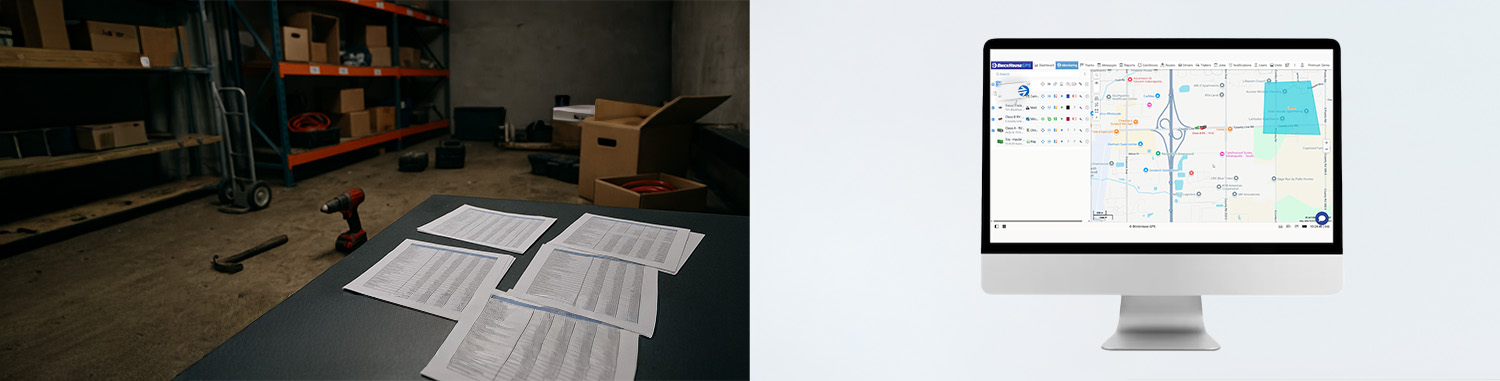
- You don’t know where your assets are, or how they’re used. Without real-time location tracking, mobile assets move between job sites, warehouses, or branches with zero visibility.
- Maintenance is reactive, not predictive. No maintenance scheduling system means breakdowns, not prevention. Downtime eats your margins.
- Equipment disappears, and you pay the price. Missing tools, trailers, or critical medical equipment? That’s theft or human error, both preventable with modern GPS asset tracking systems.
- Assets sit idle while others are overworked. Without asset usage data, you can’t optimize asset utilization or rebalance workloads across multiple locations.
- Reporting is guesswork. Manual data entry, outdated spreadsheets, and disconnected asset management software mean decisions are made blind.
Let’s call it like it is: guessing doesn’t scale.
How the Asset Tracking System Works
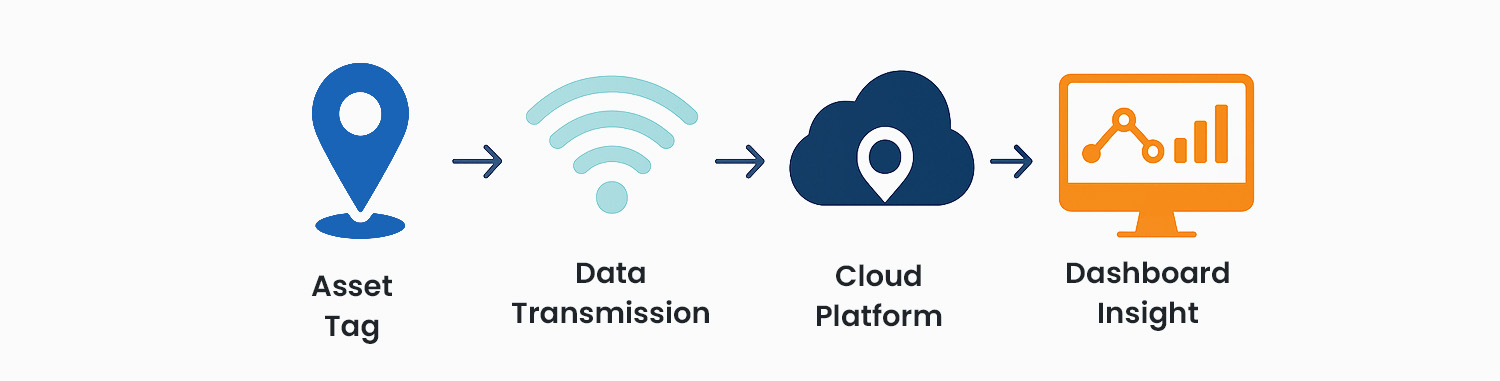
Let’s cut through the jargon. Asset tracking isn’t magic; it’s smart tech doing real work. Whether you’re managing fixed assets, mobile assets, or critical equipment, the goal is simple: know what you have, where it is, and how it’s performing, in real time.
Here’s how modern asset tracking systems deliver that clarity:
1. The Hardware – Tag, Track, and Control
Every asset, whether it’s a truck, generator, or medical device, gets tagged with a small, powerful asset tracking device. Depending on the use case, that could mean:
- GPS trackers for fleets, trailers, or vehicles on the move.
- Radio Frequency Identification (RFID) tags for warehouse or facility-based items.
- Bluetooth Low Energy (BLE) beacons for low power consumption and short-range real-time location tracking of valuable assets or critical medical equipment.
These trackers automatically identify each asset and send real-time data about its location, status, and usage. No manual data entry, no guesswork, just precision.

2. The Connection – IoT in Action
Once tagged, each asset becomes part of a connected ecosystem. IoT-based asset tracking technology transmits live location data through cellular, Wi-Fi, or BLE networks straight into a cloud-based asset tracking platform.
This connection gives you a single source of truth for all your company’s assets, no matter where they move. From construction job sites to healthcare facilities, you get instant updates and real-time visibility across multiple locations.
Think of it as a living map of your operation, showing every move, alert, and data point as it happens.
3. The Dashboard – Real Data, Real Control
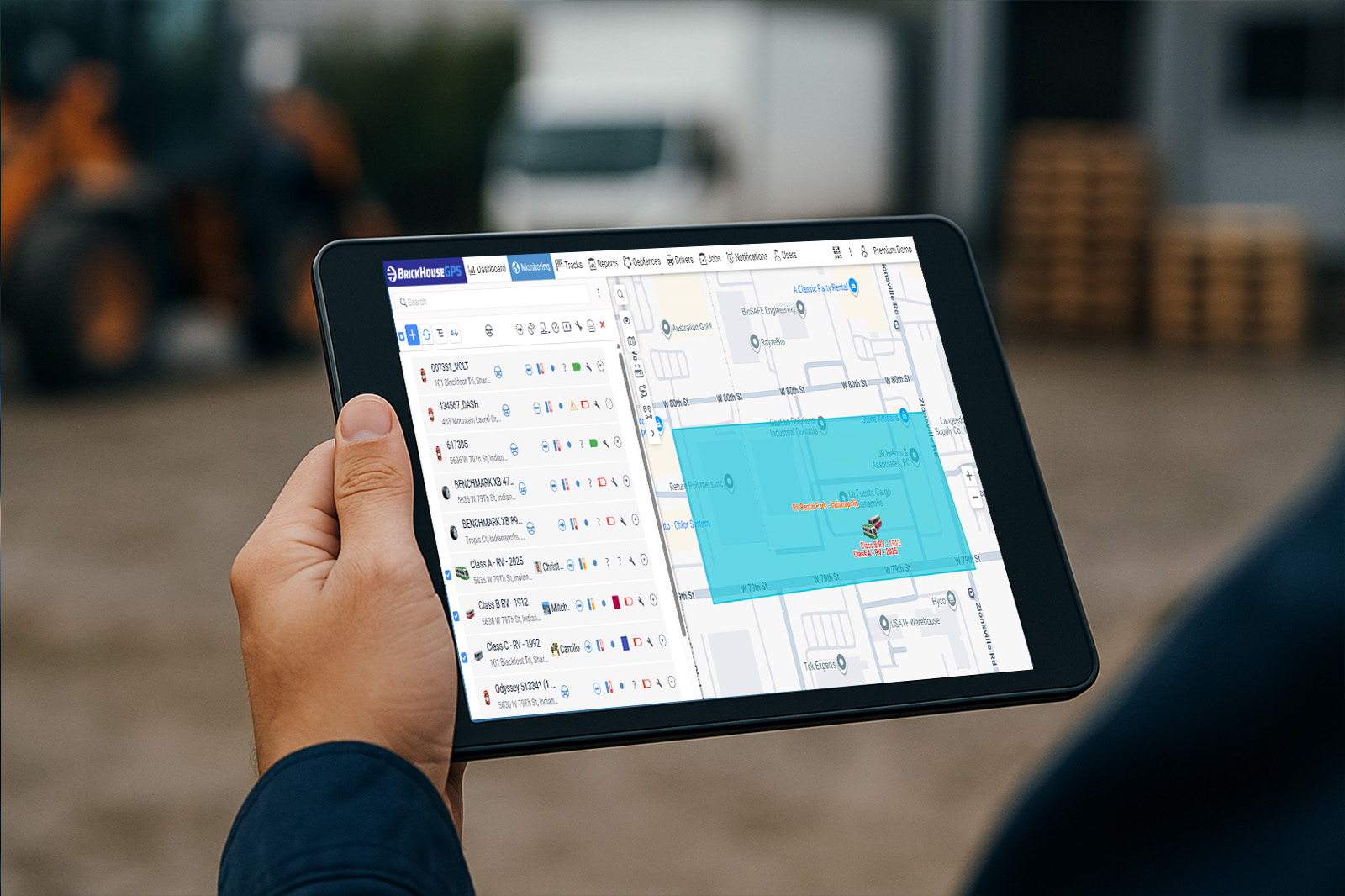
Your asset tracking software becomes the command center. On one dashboard, you see every asset’s location, who’s using it, and when it’s due for maintenance.
Key features typically include:
- Live maps with precise location of assets in real time.
- Maintenance scheduling tools that trigger automatic reminders.
- Reporting capabilities to track utilization, downtime, and ROI.
- Integration with fleet management or asset management software solutions for unified control.
The result? Fewer phone calls, less manual chasing, and total operational efficiency.

4. The Insight – Turning Data Into Decisions
This is where asset tracking software solutions prove their worth. The system aggregates asset data, usage trends, movement patterns, performance metrics and converts it into insights that drive data-driven decision-making.
You’ll be able to:
- Optimize asset utilization by spotting idle or underused assets.
- Improve resource allocation across teams and locations.
- Predict downtime and extend asset lifecycle through proactive maintenance.
- Strengthen cost control by cutting waste and preventing over-purchasing.
With a modern asset tracking solution, you don’t just see your assets, you understand them. You’ll know what’s performing, what’s draining resources, and what’s next in line for service.
That’s not just tracking, it’s transformation.
ROI: Using Asset Tracking Solution
Here’s what the numbers say:
- The asset-tracking market is projected to hit $51 billion by 2030 (Grand View Research).
- Companies using asset tracking see up to 30% fewer losses and 40% higher asset availability.
In real business terms:
- Fewer losses and thefts. Visibility stops assets from disappearing.
- More uptime. You spot idle assets and redeploy them.
- Smarter maintenance. Sensors trigger service before breakdowns.
- Better ROI. You buy less, use more, and make data-backed calls.
Common Challenges (and How Smart Teams Fix Them)
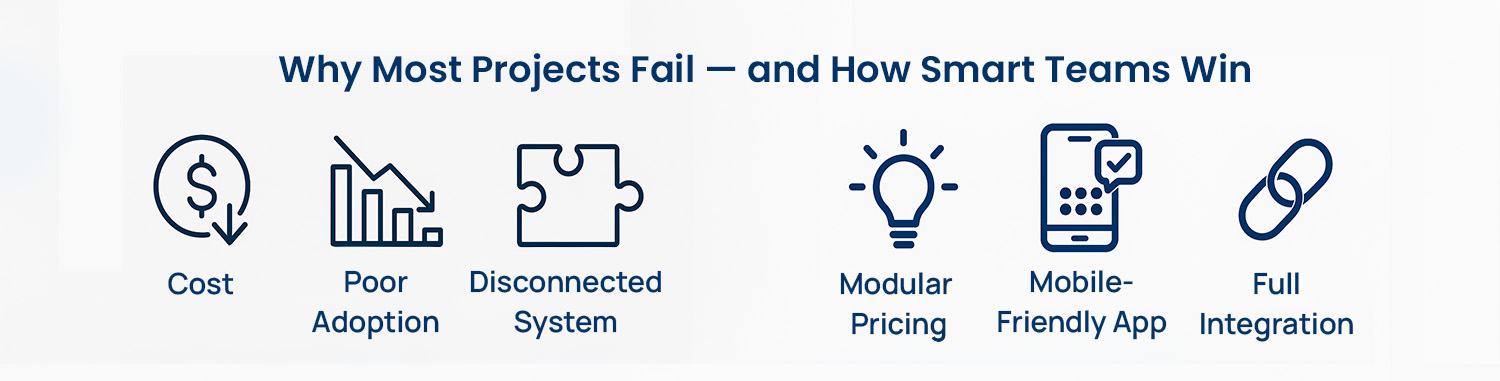
Let’s be real: most asset tracking projects don’t fail because the technology doesn’t work, they fail because the rollout does. Businesses get caught up in buzzwords, “AI-powered dashboards,” and shiny features, but forget what actually matters: simplicity, adoption, and ROI.
Here’s what typically holds teams back, and what smart companies do differently.
What Holds Businesses Back
- Sticker Shock on Hardware or Setup: The first roadblock? Cost. Some asset tracking systems come with overpriced hardware bundles, hidden software fees, and complex installations. The good news—modern cloud-based asset tracking solutions are modular, affordable, and scalable. You can start small and expand as ROI proves itself.
- Disconnected Systems (“Spaghetti Tech”): You can’t build clarity on top of chaos. Too many companies juggle separate systems, fleet tools, inventory spreadsheets, and disconnected asset management software solutions, that never talk to each other. The result? Gaps in asset data, missed alerts, and wasted time. Integrated software platforms solve that by uniting asset tracking, fleet management, and inventory management under one roof.
- Weak Connectivity in Remote Sites: Construction zones, warehouses, or job sites often have poor signal. Without consistent data flow, real-time tracking becomes “sometimes tracking.” Modern GPS asset tracking systems and Bluetooth Low Energy (BLE) technologies overcome this with low power consumption and hybrid connectivity, ensuring real time visibility of mobile assets anywhere they move.
- Poor Staff Adoption: Technology only works if your people use it. Too many rollouts fail because teams aren’t trained, or worse, the system is overly complex. Effective asset tracking software must be intuitive, mobile-friendly, and backed by live human support. The best partners walk you through onboarding, setup, and daily use, no guesswork required.
- Unclear ROI Metrics: If you can’t measure it, you can’t improve it. Many businesses jump into asset tracking technologies without defining success. The result? Leadership questions value, and adoption stalls. Without KPIs tied to cost savings, asset utilization, or downtime reduction, tracking data becomes noise.
How Smart Teams Fix It
Start Small. Prove Big. Choose one asset category, like vehicles, tools, or critical assets, and deploy your asset tracking solution there first. Use it to show real results before scaling.
Define Clear KPIs. Set measurable goals: reduce idle time by 20%, cut equipment loss by 30%, improve asset utilization by 40%. Tie those metrics directly to financial outcomes.
Integrate Everything. Your asset tracking software should sync with your ERP, fleet management, or asset management tools. That’s how you eliminate manual data entry and ensure data-driven decision making.
Pick the Right Partner. Look for a vendor that offers live support, transparent pricing, and real people to help you set up, maintain, and scale. At BrickHouse G, that’s our difference—20 years of human-backed tech.
Prove Quick Wins, Then Scale Fast. Once your asset tracking system delivers visible ROI, like fewer lost tools, shorter maintenance cycles, and better asset lifecycle visibility, roll it out across all company assets. You’ll create a measurable impact in months, not years.
Case in Point: Construction Fleet Wins Big
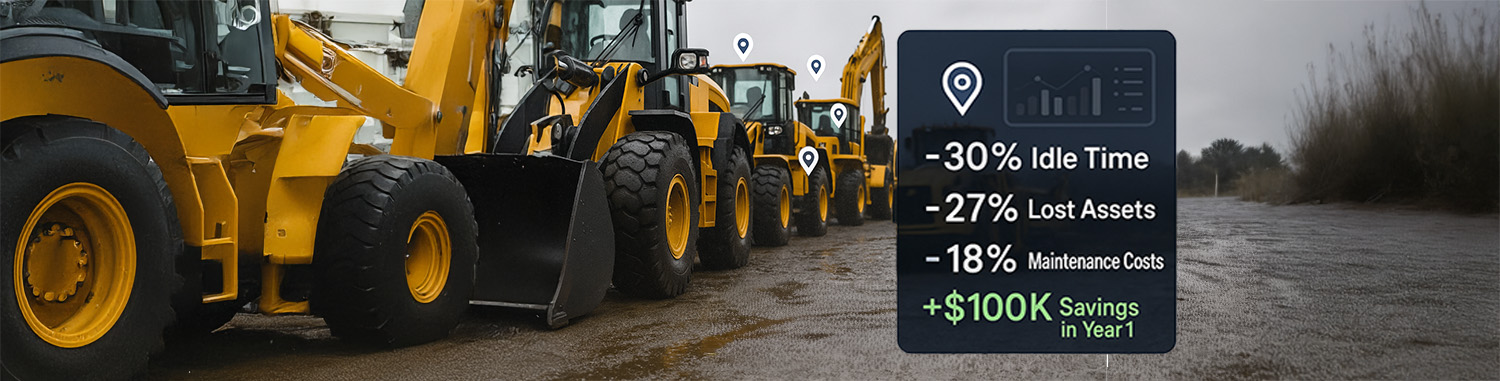
A regional construction company tracked 200+ pieces of heavy equipment and vehicles across multiple job sites. Before tracking, they lost gear, overspent on rentals, and faced frequent downtime.
After implementing asset tracking:
- 30% cut in idle time
- 27% fewer lost assets
- 18% drop in maintenance costs
- Six-figure savings in the first year
The lesson: you don’t need a massive rollout, just start, prove value, and scale.
Choosing the Right Solution
Here’s the reality: the asset tracking market is full of noise. Everyone promises “cutting-edge asset tracking technologies” and “AI-powered insights,” but most of that’s just sales spin. Smart business leaders cut through the fluff and ask the questions that actually protect their bottom line.
When evaluating any asset tracking system, the goal isn’t just to “track assets”, it’s to improve asset utilization, strengthen cost control, and give your team the real-time visibility they need to operate without guesswork.
Before you sign anything, make sure your asset tracking solution checks every one of these boxes.
The Essential Questions to Ask
- Does it track all assets, fixed and mobile?
You need a single software platform that can manage fixed assets, mobile assets, and critical medical equipment all in one place. Whether it’s vehicles, tools, or sensitive IT gear, your asset tracking software should handle it all, without extra plug-ins or workarounds. - Can it go live fast without long contracts?
If a vendor needs months of setup or ties you to a three-year deal, walk away. Modern cloud-based asset tracking software solutions deploy in days, not quarters. Look for flexible terms, fast pilots, and no-nonsense onboarding. - Does it integrate easily with your existing systems?
Your tracking platform shouldn’t live in a silo. The right asset management software connects with your fleet management, inventory management, and ERP tools, pulling in asset data automatically. That’s how you eliminate manual data entry and create a unified, data-driven decision-making environment. - Will you get real-time data (not yesterday’s location)?
If your system delivers delayed reports, it’s already outdated. Real-time means real time, instant alerts, real time location tracking, and current asset information. GPS trackers, Bluetooth Low Energy (BLE) tags, or RFID devices should transmit location data the second an asset moves, giving you total situational awareness. - Do they offer live, human support?
Software is only as strong as the people behind it. A true partner offers responsive customer service, training, and guidance. At BrickHouse GPS, real humans answer the phone, because uptime and trust can’t wait on hold music. - Can you start with a quick pilot to prove ROI?
Every credible asset tracking technology provider should be confident enough to prove value fast. A short pilot, tracking a few critical assets across multiple locations, lets you measure gains in asset utilization, theft prevention, and overall cost control before scaling company-wide.
Wrap-Up:
Asset tracking is the foundation for operational control.
It’s not about gadgets or dashboards, it’s about knowing your business inside out.
Stop guessing. Start tracking.
The payoff? Less waste, more uptime, and better margins.
At BrickHouse GPS, we make that happen with professional-grade tech, transparent pricing, and service that’s as real as it gets.
Ready to find out what you’re missing?
Let’s map your first pilot and show measurable ROI in 90 days.
FAQs
What is asset tracking software?
Asset tracking software is a cloud-based asset management solution that monitors equipment, vehicles, and tools in real time using GPS, RFID, Bluetooth Low Energy (BLE), or IoT sensors. It automatically identifies each asset, reports its exact location, and delivers live asset data on usage, condition, and movement, so you always know how your company’s assets are performing.
How does asset tracking work for fleets?
In fleet management, GPS asset tracking systems use real time location tracking to monitor vehicles, trailers, and mobile equipment. Each tracker transmits location data and asset usage details to a software platform, giving managers instant visibility into routes, idle time, and maintenance schedules, helping optimize routes and improve operational efficiency.
What types of assets can be tracked?
A modern asset tracking system can track nearly any physical asset, including fixed assets like IT gear, mobile assets such as trucks or forklifts, and critical medical equipment in healthcare facilities. It even supports tracking of tools, containers, and high-value portable devices across multiple job sites using BLE, RFID, or GPS tracking technologies.
What ROI can I expect?
When businesses use asset tracking, they typically see 25–30% fewer losses and 30–40% higher asset utilization in the first year. The benefits include better resource allocation, reduced equipment downtime, improved asset lifecycle visibility, and measurable cost savings, all driven by accurate, real time data and smarter data-driven decision making.
What’s the biggest mistake companies make?
The biggest failure in asset tracking implementations is chasing “fancy” tech without defining key performance indicators (KPIs). Without measurable targets for cost control, asset utilization, and maintenance scheduling, even the best asset tracking technologies won’t deliver ROI. Success comes from strategy first, software second, and having a partner who helps you prove it.
What’s the difference between GPS, cellular, and satellite asset tracking?
GPS asset tracking systems use satellites to pinpoint an asset’s location, but they still need a cellular or satellite network to transmit that data back to your asset tracking software.
- Cellular-based asset tracking offers affordable, fast real time data in areas with mobile coveragegreat for fleets and local operations.
- Satellite-based tracking provides global visibility for mobile assets in remote regions or off-grid job sites where cellular signals fail.
- Hybrid systems combine both, ensuring real-time visibility anywhere your valuable assets move.
The right choice depends on where your company’s assets operate, how critical real-time location tracking is, and your tolerance for data gaps or latency.