
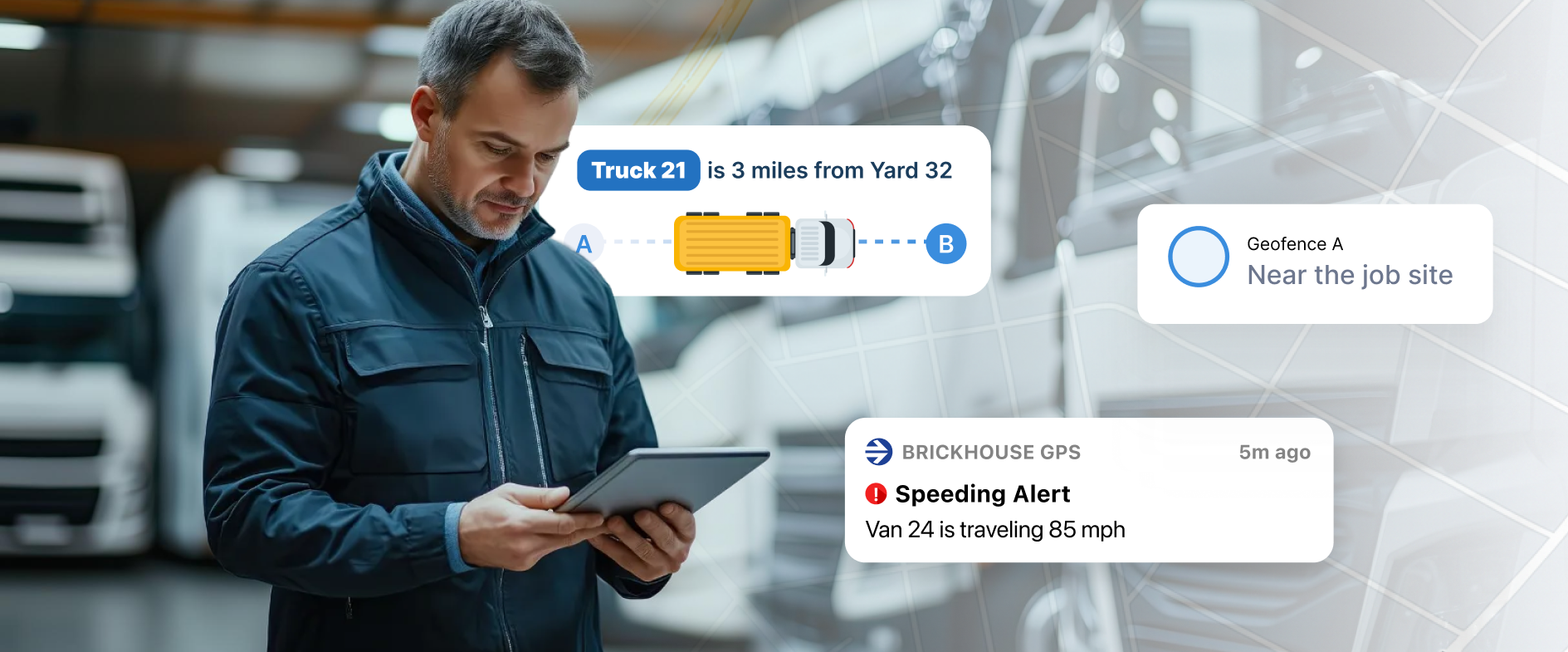
If you’ve been in fleet management long enough, you already know the math: every minute of vehicle downtime, every inefficient route, every preventable accident, every missed inspection, costs real money. And 2026 is the year when those costs either shrink dramatically… or explode.
Across thousands of fleets we work with, delivery, logistics, service, transportation, one thing is clear: the organizations staying ahead are the ones treating emerging trends as strategic initiatives, not afterthoughts. AI, electrification, compliance automation, and sustainability pressure are rewriting the rules of ownership, operations, and ROI.
Below is an expanded look at the key trends shaping fleet operations in 2026, and what the smartest fleet managers are doing today to reduce costs, improve safety, and maximize efficiency.
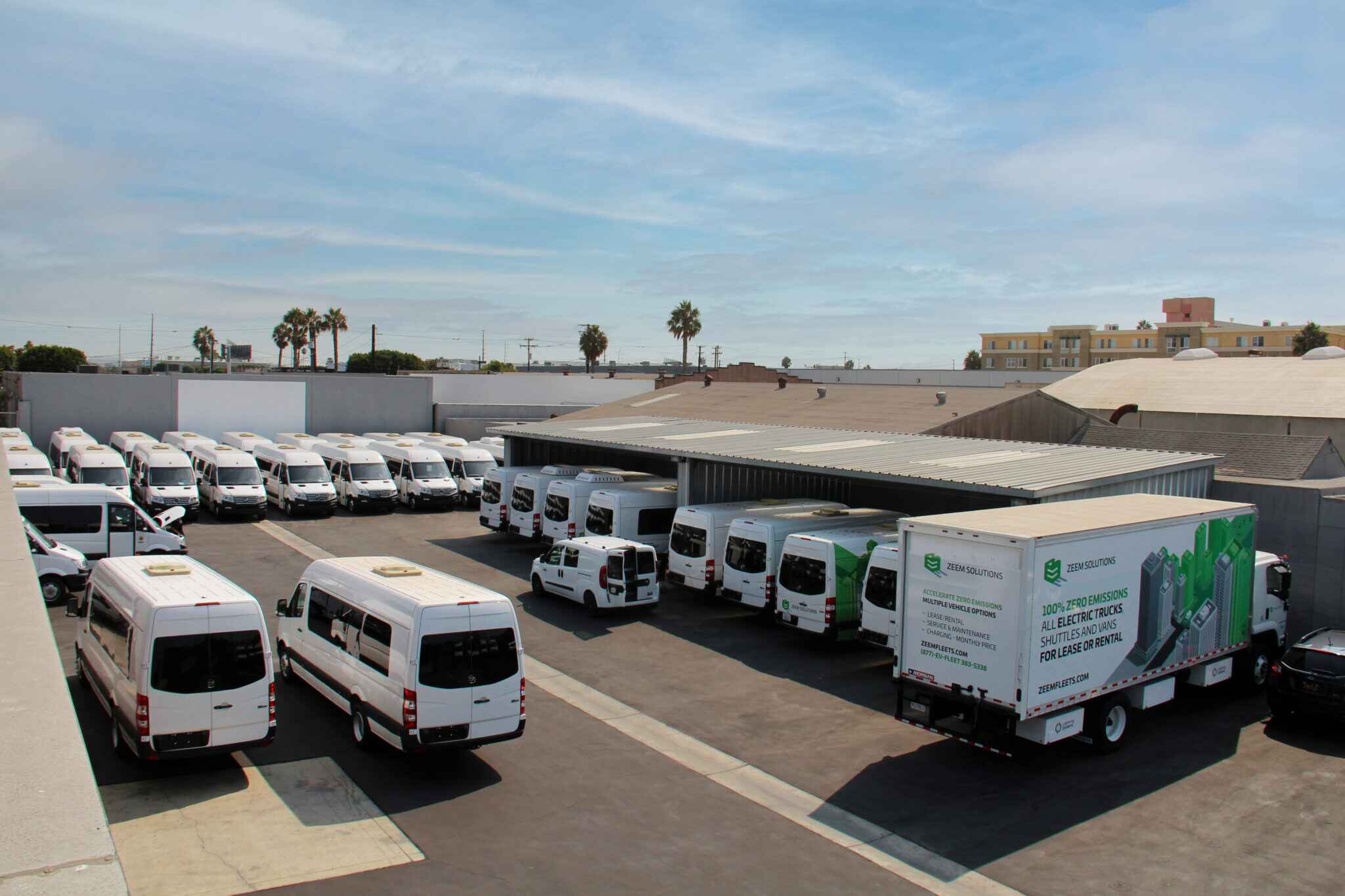
1. AI + Telematics: Your New Competitive Edge (Fleet Management Trends)
AI has officially moved past “interesting” and into “operationally unavoidable.” The biggest transformations will come from how fleets use AI-driven telematics to boost fleet efficiency, spot risks earlier, enhance safety, and reduce their total cost of ownership.
Predictive Maintenance Becomes the Norm
Predictive maintenance isn’t just a dashboard alert, it’s a full strategy.
AI now reads sensor data, fuel consumption patterns, engine health, mileage cycles, and weather conditions to identify maintenance needs before failures occur.
For many fleets, this means:
- Fewer emergency repairs
- Lower maintenance costs
- Longer vehicle lifespan
- Minimizing downtime across vehicles and routes
Driver Behavior Becomes Actionable
Legacy “harsh braking + speeding” alerts don’t cut it.
Fleet operators now get AI-driven insights into:
- driver behaviour trends
- early signs of driver fatigue
- risky driving patterns before accidents happen
- adaptive cruise control misuse
- opportunities for real-time driver feedback
This isn’t about punishment, it’s about enhancing driver safety and protecting your fleet’s profitability.
AI Route Optimization Gets Smarter
2026 route optimisation (and route optimization for U.S. spelling) blends:
- traffic intelligence
- weather conditions
- customer delivery windows
- LEZ restrictions
- fuel thresholds
- driver hours and legal limits
- predictive analytics for future road impacts
This is operational efficiency on autopilot, delivering better customer satisfaction while reducing fuel and extending vehicle lifespan.
How to Stay Ahead
- Implement telematics platforms that support API-level integrations, advanced driver assistance systems, and predictive analytics.
- Build training around data-driven decision-making, not just “checking a dashboard.”
- Use AI to schedule preventive maintenance that avoids disruption, accidents, and penalties.
- Start small: pilot predictive maintenance on 5–10 vehicles and scale based on ROI.
2. Electrification: The Shift Accelerates
Many fleets are already shifting their light- and medium-duty vehicles to electric vehicles, and 2026 is when EV adoption becomes unavoidable for cost, compliance, and customer reasons.
Lower TCO for Electric Vehicles
Battery tech improves. Charging gets faster. Maintenance demands drop.
For many fleets, EVs now deliver:
- lower total cost
- longer optional range
- fewer moving parts
- reduced maintenance costs
- less downtime
Charging Infrastructure Finally Catches Up
Government incentives + private sector partnerships =
more accessible charging for many organizations with distributed fleets.
Expect:
- faster Level 3 chargers
- more highway coverage
- workplace charging grants
- predictable charging schedules through telematics data
OEMs Push Electric-First Fleet Lines
Major automakers are retiring combustion platforms and prioritizing EV-first fleet operations. Many fleets will see fewer gas/diesel options to choose from.
How to Stay Ahead
- Conduct a route-level EV feasibility audit to identify vehicles ready for electrification.
- Apply early for tax credits, before competition for funds increases.
- Upgrade to telematics systems that are EV-compatible, monitor charging behavior, and track battery health.
- Build a phased rollout: start with predictable routes, then expand.
3. Sustainability: From “Goal” to “Requirement”
Sustainability goals aren’t just PR, they’re fast becoming procurement deal-breakers. Customers, investors, and regulators expect progress they can verify.
ESG Standards Tighten
Large organizations are demanding verifiable emissions data from vendors.
If fleet operators can’t track:
- idling
- route efficiency
- overall emissions
- carbon footprint
…they risk losing contracts.
Expansion of Low-Emission Zones (LEZs)
More cities will enforce LEZs that restrict vehicle access by emissions class.
This impacts:
- routes
- delivery times
- driver planning
- operational costs
Sustainability as a Contract Advantage
With customer satisfaction tied to “green performance,” fleets with cleaner operations win more RFPs.
How to Stay Ahead
- Use GPS and telematics data to measure emissions, routes, idle time, and operational inefficiencies.
- Replace high-emission vehicles strategically, starting with the ones costing the most in fuel and downtime.
- Showcase sustainability milestones in RFPs, customer communication, and service pitches.
4. Compliance: Stricter Rules, Smarter Enforcement
Compliance is becoming more automated, more digital, and less forgiving.
Hours-of-Service Enforcement Tightens
ELDs will integrate deeper with fleet management systems, monitoring driver hours and violations in real time.
Expect fewer manual exceptions, and higher penalties.
Remote, Data-Based Inspections Expand
Regulators will increasingly use telematics data for audits instead of physical inspections.
Fleets without good data will feel the pain.
Cybersecurity Will Matter More Than Ever
Connected vehicles create connected risks.
New standards will push fleets to secure:
- location data
- customer info
- driver details
- maintenance logs
- API integrations
How to Stay Ahead
- Confirm ELD compliance and data encryption standards with your GPS provider.
- Monitor driver behavior regularly to avoid penalties and safety score hits.
- Build clear cybersecurity policies for fleet managers and skilled technicians.
- Partner with vendors who stay ahead of FMCSA, DOT, and cybersecurity rules, before they hit your inbox.
Final Word: The Fleets That Win Are the Fleets That Prepare
Across thousands of fleets, one pattern stands out:
Success isn’t about reacting to trends, it’s about getting ahead of them.
Top-performing fleets in 2026 are already:
- Adopting predictive analytics
- Reducing fuel costs with smart route optimisation
- Training drivers using real behavior insights
- Preparing for EV adoption
- Investing in compliance-ready telematics
- Building sustainability into operations
- Minimizing downtime with proactive maintenance
And unlike providers who hide behind “AI” or throw you into a confusing dashboard, BrickHouse gives you real humans, fast support, simple onboarding, fair pricing, and GPS tools built for operational ROI.
Get Ahead of 2026 With Fleet Tracking That Delivers Real ROI
Whether you’re optimizing routes, reducing costs, electrifying, or preparing for compliance changes, BrickHouse GPS helps you make smarter decisions, backed by 20 years of trusted service.