
Dash Cam for Fleet Vehicles: The Smart Investment to Protect Your Vehicles
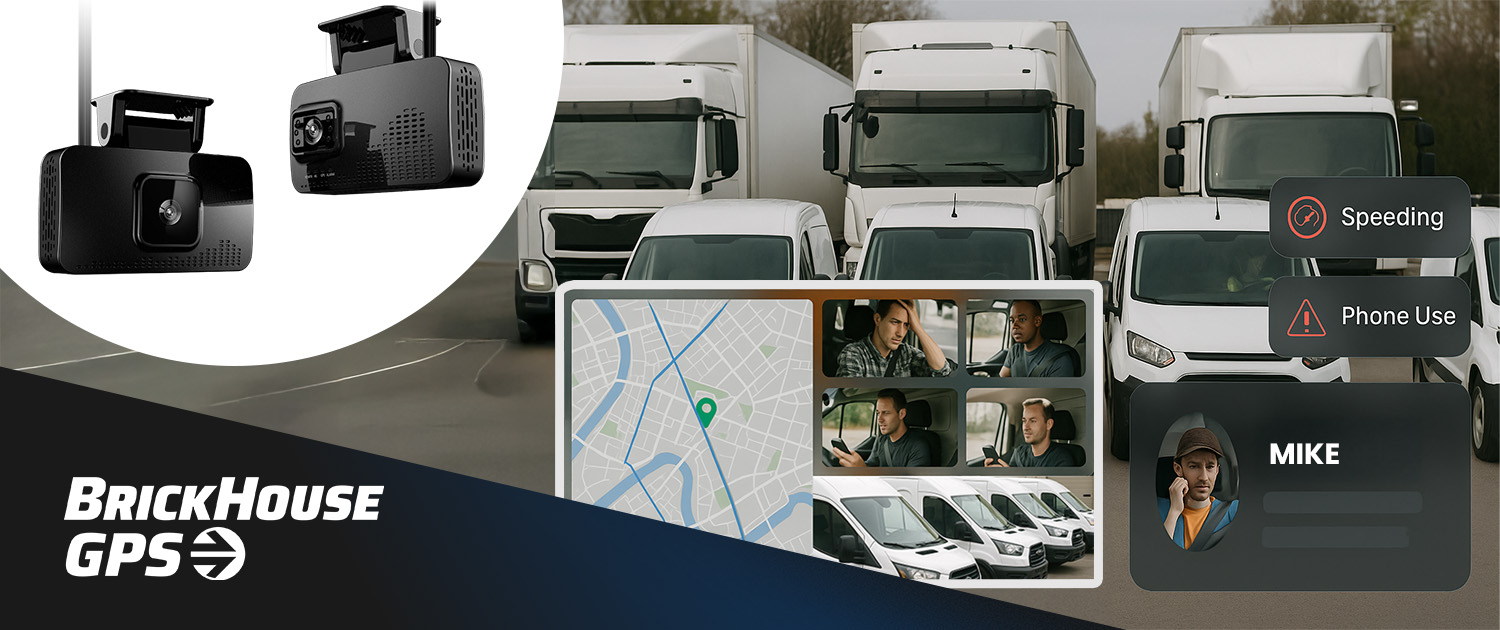
If you manage a fleet, a dash cam for fleet operations isn’t just a safety upgrade; it’s a strategic decision. These devices protect your drivers, reduce insurance premiums, and give you real-time visibility across your entire fleet. Whether you run delivery vans, service trucks, or a logistics fleet, dash cams with GPS tracking and cloud storage can help reduce risk, cut costs, and increase operational efficiency.
Most dash cams powered by artificial intelligence are now transforming commercial fleets by enabling real-time safety event detection, automatic video upload, and advanced driver coaching.
In this guide, we’ll walk through everything you need to know about investing in a fleet dash cam system, including features to look for, the benefits, real-world examples, and how comprehensive solutions like video telematics can further enhance your fleet management.
Why Your Business Needs a Dash Cam for Fleet Vehicles
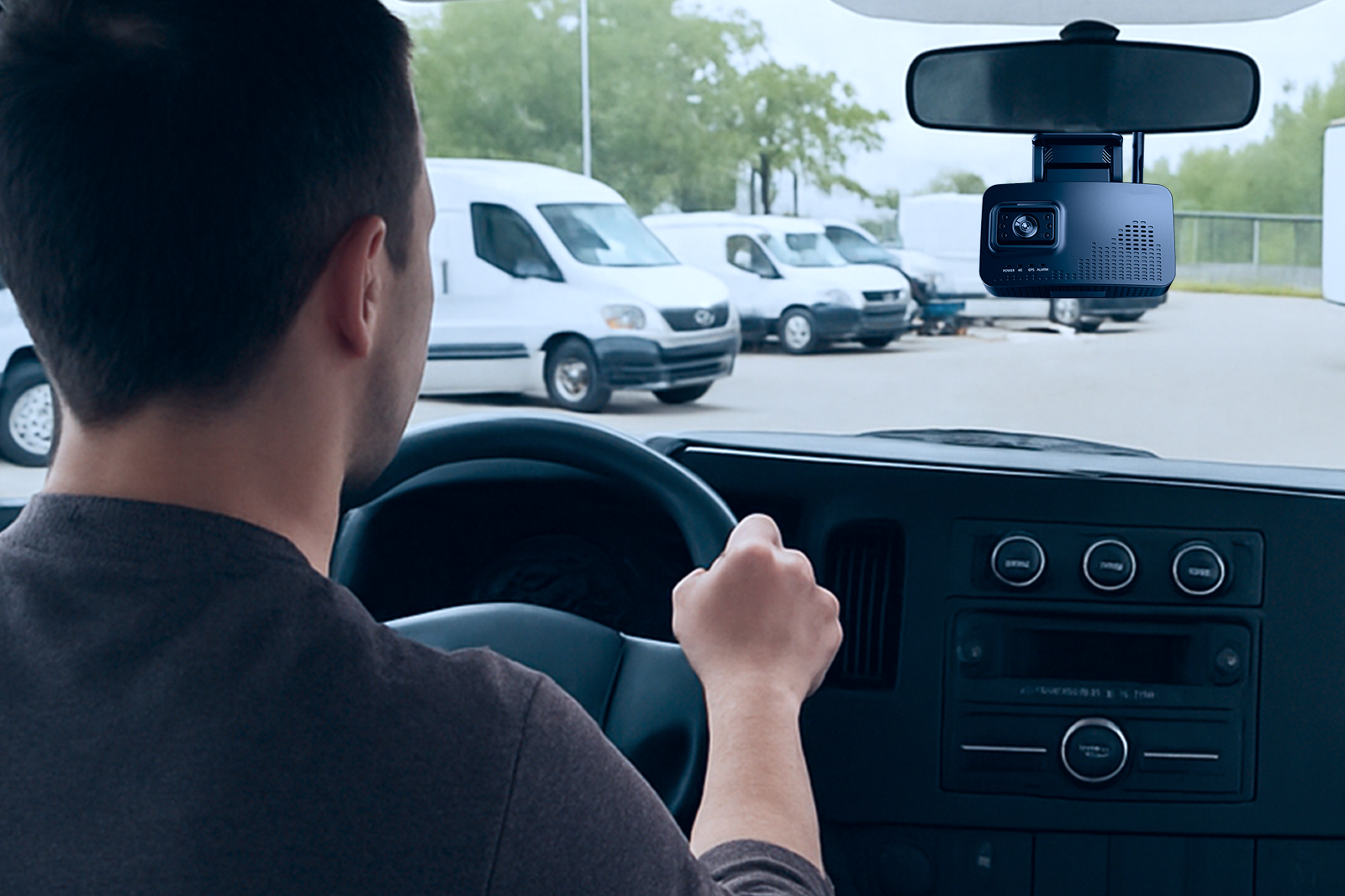
Fleet operators are under more pressure than ever, from rising insurance costs to driver accountability issues. A dash cam for fleet vehicles provides crucial video evidence, real-time monitoring, and the ability to coach drivers before accidents happen, helping keep drivers accountable and ensuring adherence to safety protocols.
Key Benefits:
- Protect against false claims: Video footage helps resolve accident disputes quickly.
- Lower insurance premiums: Many insurers offer discounts for commercial fleets with dash cams.
- Improve driver behavior: In-cab alerts and video feedback promote safe driving.
- Real-time fleet visibility: Monitor driver routes and vehicle activity in real time.
- Improve fleet safety: Dash cams are a vital tool to improve fleet safety by supporting driver coaching, preventing accidents, and enhancing overall fleet safety for commercial operations.
- Reduce operational costs: Preventative measures help avoid expensive repairs and legal battles.
Top Features to Look For in a Dash Cam for Fleet — Explained
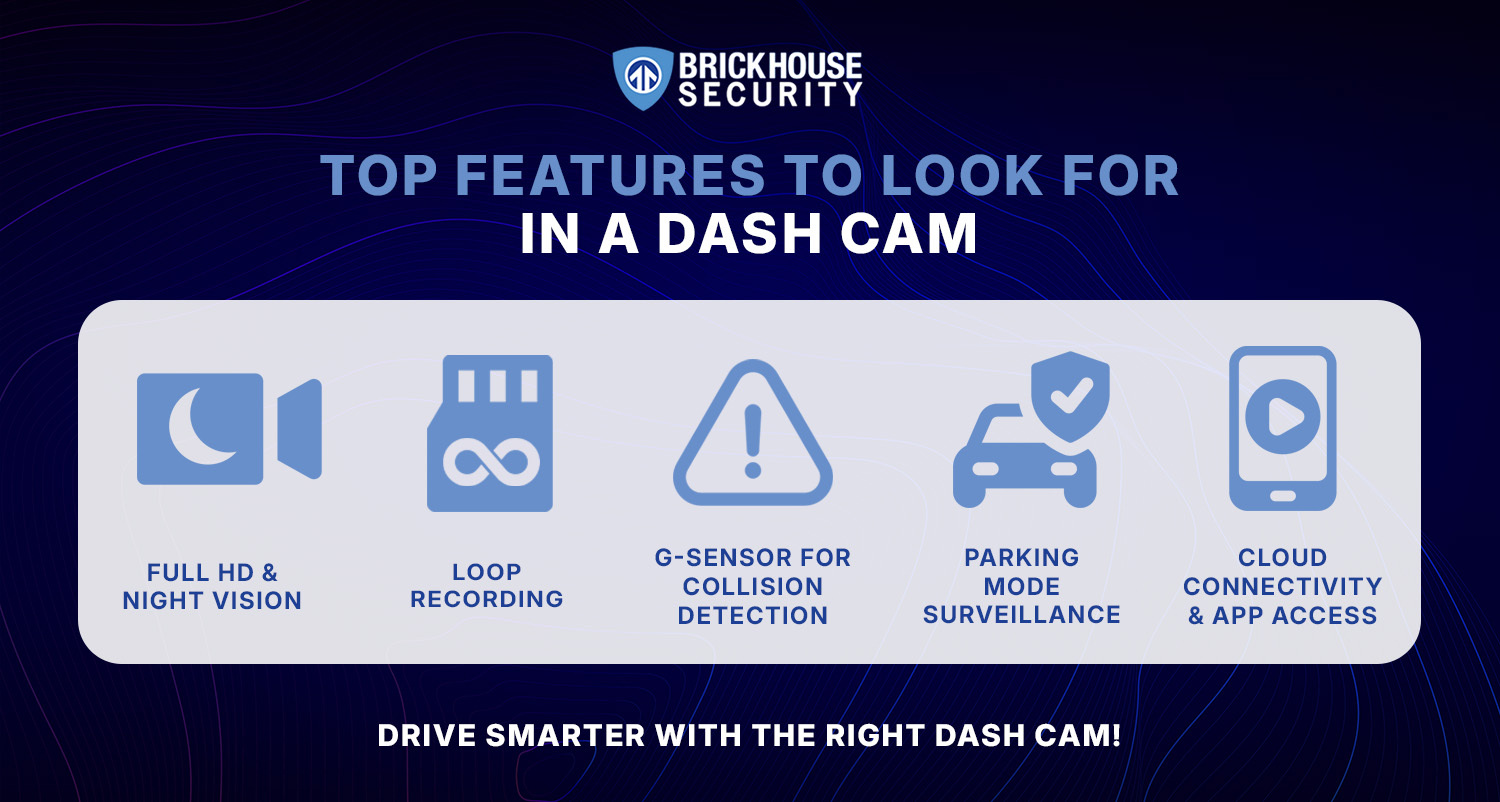
Not every dash cam is built for the demands of managing multiple vehicles and drivers across a fleet. Modern dash cameras are essential safety tools for commercial fleets, offering real-time insights, AI-powered incident alerts, and seamless connectivity to optimize fleet safety.
If you’re a fleet manager, operations director, or business owner, the right dash camera should do more than just record, it should help you protect your drivers, reduce risk, lower insurance costs, and give you full operational visibility.
Let’s break down the must-have features and explain why they matter in a commercial fleet environment:
1. Dual-Facing Cameras
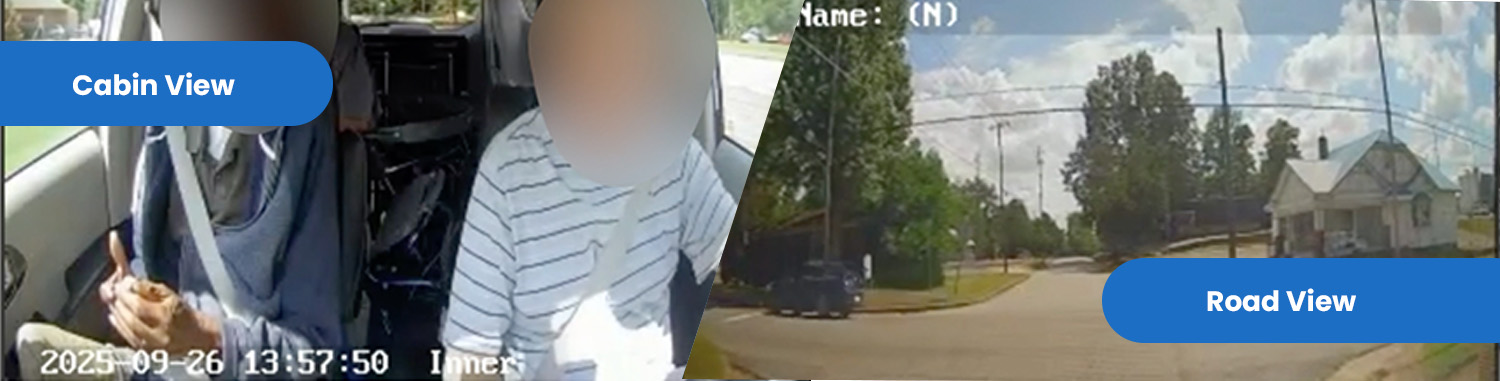
What it is: A dash cam with both front-facing and driver-facing lenses.
Why it matters:Capturing both the road ahead and the driver’s behavior gives you a complete view of what happened during any incident. It’s essential for:
- Proving fault in accidents
- Monitoring distracted or unsafe driving
- Providing real footage for driver training
- Monitoring both road and driver behavior for comprehensive safety
A road facing dash cam helps capture footage of incidents, providing reliable dash cam video as evidence for quick dispute resolution and claim verification.
Example: If a driver is accused of causing an accident, the inward-facing camera can prove they were alert and attentive, helping avoid a false claim.
2. Cloud Video Storage
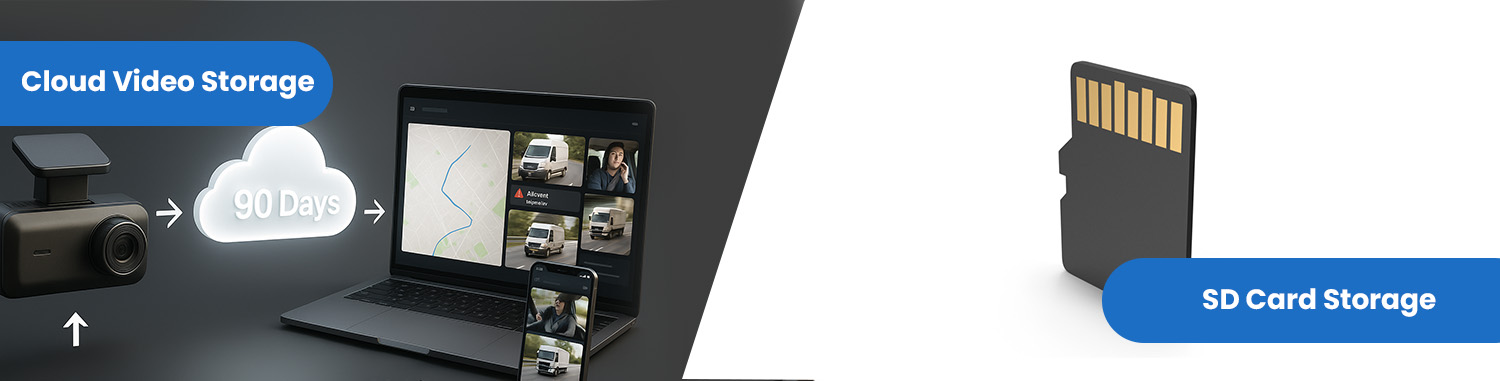
What it is: Video footage is uploaded to a secure cloud platform instead of being stored only on an SD card.
Why it matters: With cloud storage, you can access footage from anywhere, anytime, without physically retrieving it from the vehicle. Benefits include:
- Instant access to videos for insurance or legal reviews
- Automatic uploads of critical incidents
- Centralized storage for multiple vehicles
- Automatic upload and easy access to event footage, allowing fleet managers to quickly review, coach, or exonerate drivers
No more lost or overwritten footage. Cloud systems retain high-priority video clips even if the memory card fails or is tampered with.
3. GPS Tracking Integration
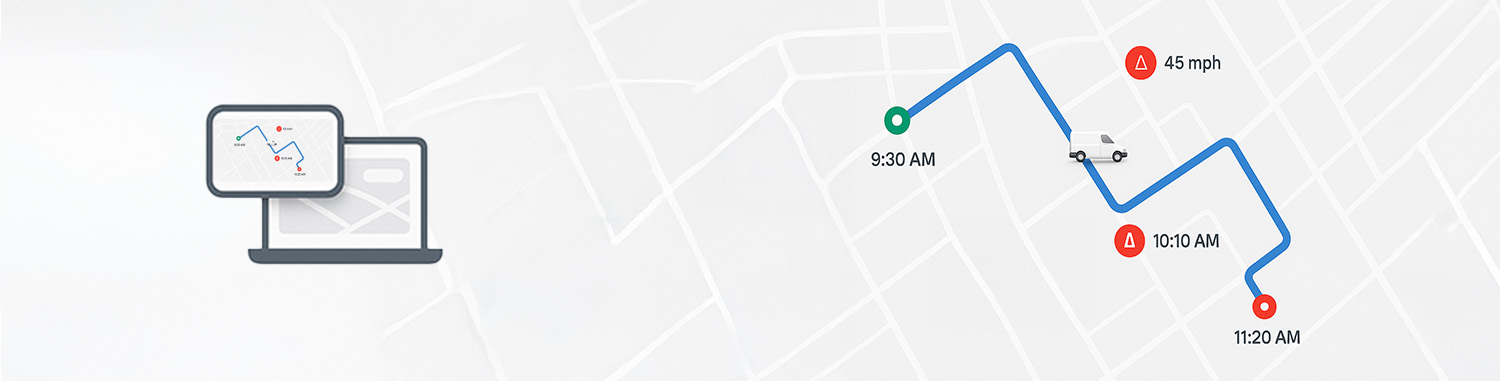
What it is: GPS data is embedded into the video feed, showing time, speed, and location for every trip. A gps tracker works in tandem with dash cams to provide real-time location and safety data, enhancing fleet management and asset tracking.
Why it matters: Combining video with GPS gives you context. You’ll know exactly where an incident happened and how fast the vehicle was moving. Use it for:
- Route verification and efficiency tracking
- Dispute resolution with time-stamped evidence
- Monitoring delivery delays or unauthorized stops
You can replay a trip like a timeline: see the location, speed, and driver behavior at every point.
4. Real-Time Alerts & Notifications
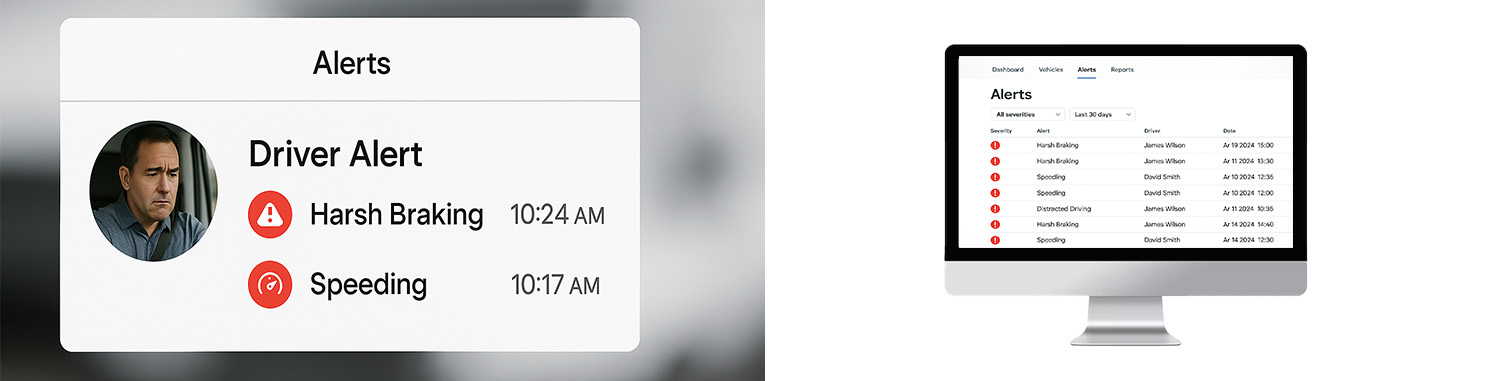
What it is: Automatic alerts triggered by risky behaviors or incidents.
Why it matters: Real-time alerts help you respond quickly and coach proactively. Common alert triggers include:
- Harsh braking or rapid acceleration
- Speeding
- Distracted driving or phone use
- Fatigue or drowsiness
- Hard braking
- Unsafe driving behavior
These real-time notifications can alert drivers to potential risks and help drivers self correct their behavior on the road, promoting safer driving practices.
Fleet managers can get an email or app notification the moment an event happens, reducing response time and increasing accountability.
5. Tamper-Proof Hardware

What it is: Secure, hardwired camera systems with restricted access to video data.
Why it matters:
When your business depends on video evidence, you can’t risk it being deleted, unplugged, or altered. Tamper-proof features ensure:
- Drivers can’t disable or erase footage
- Devices stay powered, even when the engine is off
- Locked SD card access or encrypted storage
Protect your liability by ensuring the footage you need is always there when you need it.
Why These Features Matter Together
Individually, these features offer convenience. But combined, they form a powerful fleet management system that:
- Boosts driver safety
- Minimizes downtime
- Speeds up claims processing
- Protects your business from legal risk
- Gives you real-time visibility across your entire operation
How Fleet Dash Cams Improve Driver Safety and Training
A recent study by the Virginia Tech Transportation Institute showed that video-based safety programs reduce risky driving behaviors by up to 50%. Monitoring driver performance with dash cams helps prevent accidents and improve safety across the fleet.
With in-cab coaching, drivers receive alerts in real time for:
- Cell phone use
- Following too closely
- Harsh cornering
- Speeding
According to a University of Michigan Transportation Research Institute study, the driver of the car was at fault in up to 75% of CMV crashes. And although only 1% of crashes involving a CMV ultimately result in a fatality, the cost of non-fatal crashes adds up quickly. Full report on benefits of Dash Cam technology
Cost vs. ROI: Are Dash Cams Worth It for Fleet Operations?
Absolutely. Here’s a quick cost-benefit snapshot:
| Feature | Cost | ROI Benefit |
| Dual-facing dash cam | ~$250–$400 per vehicle | Reduces liability in accidents |
| Cloud storage | ~$10–$30/month per vehicle | Streamlined evidence for insurance & claims |
| GPS tracking | Included in many models | Optimized routing and fuel savings |
| AI alerts & coaching | Optional add-on | Fewer accidents, safer drivers |
Most fleets recoup their investment within the first 6–12 months through reduced claims, fuel savings, and improved driver safety.
Best Dash Cam for Fleet Vehicles in 2025

Choosing the best dash cam for fleet vehicles depends on your fleet size, type of vehicles, operational goals, and budget, but the right solution should do more than just record video. It should help you protect your drivers, cut costs, and improve daily operations. Look for dash cams that capture high definition footage to ensure clear recording of road incidents, which is crucial for resolving disputes and promoting safe driving behavior.
Here are some of the top-performing fleet dash cams in 2025 that meet the demands of modern fleet management:
1. BrickHouse GPS Fleet Dash Cam with GPS & Cloud Storage

Best for: Fleets that need reliability, real-time visibility, and remote access
The BrickHouse GPS Fleet Dash Cam is built for businesses that demand more than just video. This commercial-grade, dual-facing camera system combines high-definition video recording, real-time GPS tracking, cloud-based storage, and AI-powered driver behavior alerts into a single, scalable solution for fleets of all sizes.
Whether you’re managing delivery vans, service trucks, or long-haul vehicles, this dash cam gives you the visibility and data you need to reduce risk, improve safety, and streamline operations.
Key Features:
- Dual-facing HD cameras (road + driver)
- Live GPS tracking and route playback
- Live video footage for real-time monitoring and enhanced safety
- AI alerts for distracted or unsafe driving
- Tamper-resistant design with locked SD card access
- Cloud storage for up to 90 days
- Mobile and desktop access for managers on the go
Why it’s a top pick:Tested by our own team, this camera integrates seamlessly with our fleet tracking system. It’s built for harsh environments, and the cloud-based dashboard makes it easy to manage dozens (or hundreds) of vehicles from one screen.
Recommended by insurance partners for lowering premiums
2. Samsara
Best for: Tech-savvy fleets with an existing telematics platform
Key Features:
- AI-powered detection for tailgating, phone use, and fatigue
- Seamless integration with Samsara’s fleet management platform
- Real-time incident detection and alerts
- HD video with infrared night vision for clear low-light and nighttime recording
- Live video streaming
- Advanced ai dash cams designed for commercial fleets
Why it’s a top pick: Samsara offers an all-in-one system that combines ai dash cams, telematics, and compliance tools. Ideal for enterprise fleets.
3. Lytx DriveCam
Best for: Large fleets prioritizing safety programs and coaching
Key Features:
- Industry-leading video analytics
- Automatic upload of high-risk events and detected safety events
- Driver scorecards and training insights
- Proactive risk detection (AI + machine vision)
- Integration with third-party ELDs and systems
Why it’s a top pick: Lytx is a pioneer in driver coaching with a strong reputation in commercial trucking. Their system is designed for fleets that need more than just footage — they need long-term behavior change.
4. Garmin Dash Cam
Best for: Small service fleets and local businesses
Key Features:
- LTE connectivity for real-time viewing
- 1440p HD video with a wide 140° field of view, optimized for clear recording even in low light conditions
- Built-in GPS and location tracking
- Cloud backup with Vault storage
- Voice control and live monitoring via mobile app
Why it’s a top pick: Great for smaller fleets or businesses transitioning into dash cam use. Simple setup with essential safety features and Garmin’s trusted hardware quality.
How to Choose the Right Dash Cam for Fleet Vehicles
Selecting the right dash cam for fleet vehicles is more than picking the one with the best video quality. The ideal solution should align with your fleet’s size, industry requirements, operational environment, and technology stack. Here’s how to make a smart, future-ready decision:
1. Fleet Size
Why it matters:
Large fleets have different operational needs than small service teams. If you’re managing dozens or hundreds of vehicles, you’ll benefit most from:
- Cloud-based video storage for remote access
- Centralized dashboards for monitoring all assets in one place
- Scalable subscription plans that grow with your fleet
Pro Tip: Start with a pilot program on a few vehicles before rolling out fleet-wide.
2. Type of Vehicles and Operating Conditions
Why it matters:
Not all dash cams are built for every vehicle type or environment. Think about:
- Heavy-duty or off-road vehicles (construction, oil & gas) may need ruggedized, waterproof models
- Night-time operations require infrared or low-light camera capabilities
- Urban delivery fleets benefit from wide-angle lenses to capture tight traffic environments
Choose hardware that can withstand the rigors of your route — not just look good in a brochure.
3. Compliance & Industry Regulations
Why it matters:
Certain industries, like commercial trucking or passenger transportation, have regulatory requirements around data retention, driver safety documentation, or ELD integration.
- Check for FMCSA compliance if your fleet falls under DOT regulations
- Look for audit-friendly cloud storage and automated event tagging for faster reporting
- Consider platforms that help streamline safety and compliance training
A compliant dash cam system doesn’t just keep you legal, it protects your business in audits or litigation.
4. Integration with Existing Telematics
Why it matters:
If you’re already using a fleet management platform or telematics system, choosing a dash cam that integrates seamlessly can save time and simplify your operations.
- Sync video with vehicle diagnostics, GPS routes, and driver scorecards
- Eliminate the need to juggle multiple logins or dashboards
- Enable real-time alerts and data-driven coaching from a single interface
Think of your dash cam as a key component of a connected fleet, not just a standalone tool.
Pro Tip: Look for vendors that offer demo units or free trials before you fully commit.
Conclusion: Dash Cam for Fleet Vehicles = Smart, Safe, and Scalable
Investing in a dash cam for fleet operations is a proactive move toward safer roads, reduced liability, and operational efficiency. For logistics pros and fleet managers, the question isn’t if you should install dash cams, it’s which one is right for your fleet.
At BrickHouse GPS, we offer GPS-enabled dash cams tailored to fleets of all sizes, with real-time access, AI-powered driver alerts, and secure cloud storage, all tested in real-world environments by our team.
FAQs About Dash Cams for Fleet Vehicles
1. What is the best dash cam for fleet vehicles?
The best dash cam for fleet vehicles includes dual-facing HD cameras, GPS tracking, cloud video storage, and real-time alerts. BrickHouse GPS offers scalable, business-grade dash cam solutions specifically designed for commercial fleets of all sizes.
2. Do dash cams reduce insurance costs for fleets?
Yes. Many commercial insurance providers offer premium discounts when fleet vehicles are equipped with dash cams. The video evidence helps reduce claims, speed up investigations, and establish fault, which lowers overall risk exposure.
3. How much does a fleet dash cam system cost?
Fleet dash cam systems typically cost $250–$400 per vehicle for hardware. Monthly cloud storage and GPS tracking services range from $10 to $30 per vehicle, depending on features and video retention length.
4. Can dash cams help train and coach fleet drivers?
Absolutely. AI-based dash cams detect risky driving behavior in real time. Fleet managers can use dual-camera footage to review incidents and conduct targeted driver training, improving safety and reducing accidents.
5. Are fleet dash cams legal in all states?
Yes, dash cams for fleet use are legal across the U.S., but some states have privacy laws that require driver notification or posted signage. Always consult legal counsel to ensure compliance with local regulations.
6. Do dash cams record audio in fleet vehicles?
Some dash cams offer audio recording, but this feature may be restricted in certain states due to two-party consent laws. Check your state’s privacy regulations before enabling audio on a fleet dash cam.
7. Can fleet managers monitor vehicles in real time with dash cams?
Yes. Many advanced fleet dash cams offer live streaming, GPS tracking, and real-time alerts through cloud-connected dashboards and mobile apps. This allows managers to track driver behavior and location instantly.
8. How long is dash cam footage stored in the cloud?
Most commercial dash cam providers offer cloud video storage for 30 to 90 days, depending on your service plan. Extended storage is available for fleets with compliance or legal retention requirements.
9. What’s the difference between a consumer dash cam and a fleet dash cam?
Fleet dash cams are designed for commercial durability and feature cloud connectivity, real-time tracking, AI driver alerts, and integration with fleet telematics systems — features not typically found in consumer-grade dash cams.
Ready to Take Control of Your Fleet?
Explore our top-rated Fleet Dash Cams and speak to one of our security experts to get started today