Dash Cam Uses for Business Vehicles
If you’re running a fleet, dash cams aren’t a luxury, they’re your frontline defense. From protecting drivers to fighting insurance fraud, dash cams prove what really happened when an accident occurs. Businesses use them to record footage, improve driving behavior, and lower insurance rates. When your vehicles are the backbone of your operation, this small camera mounted on the windshield can protect your business from big headaches.
Why Businesses Should Care About Dash Cam Uses
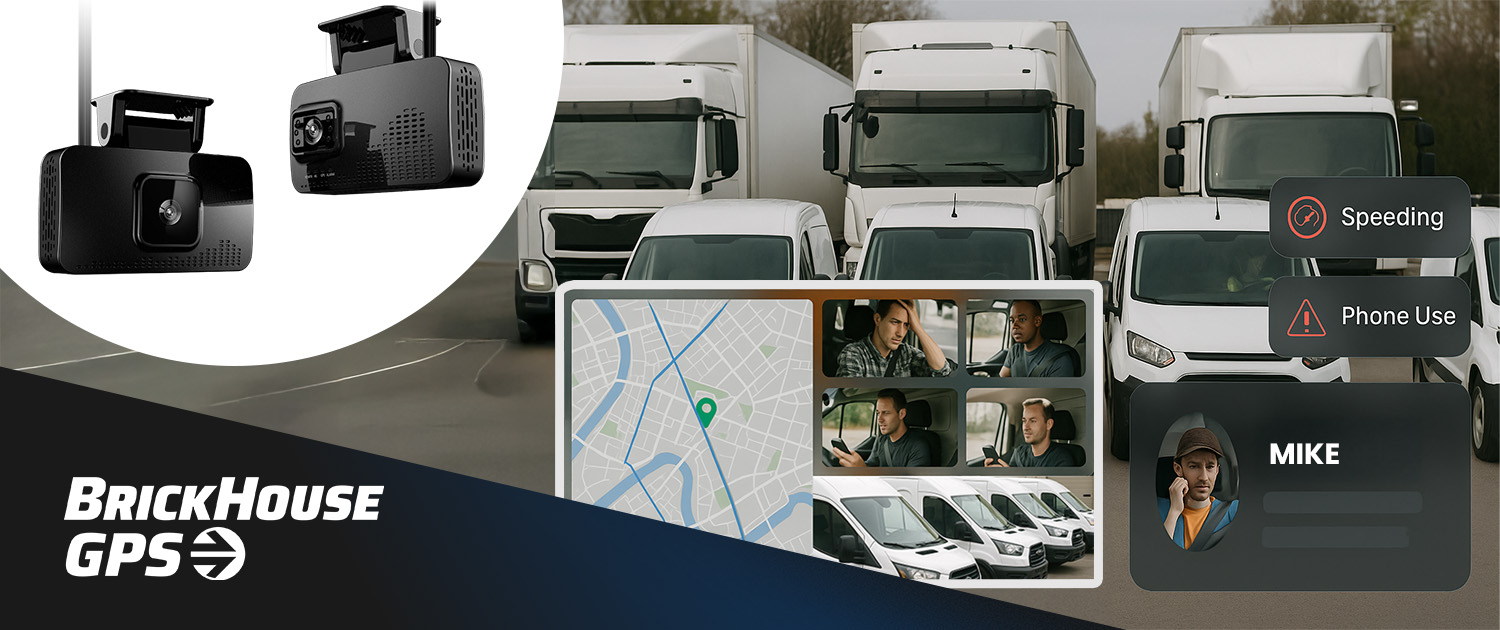
1. Reduce False Insurance Claims
When another driver causes a crash, clear video evidence saves you from “he said, she said.” Forward-facing and rear dash cameras catch the full story, protecting your drivers and your bottom line.
2. Improve Driver Behavior
Dashboard cameras do more than record, they coach. Integrated GPS tracking and event alerts help you correct reckless driving or harsh braking before it costs you a claim.
3. Lower Insurance Costs
Many insurance companies offer discounts to fleets equipped with dash cameras. The footage supports faster insurance claims, proves fault, and reduces fraud risk, all leading to lower insurance rates.
4. Prevent Theft & Vandalism
Parking mode captures motion or impact while the vehicle’s parked. Whether it’s a hit-and-run or vandalism, you’ll have the video evidence ready for police or insurers.
5. Boost Fleet Efficiency
Combine dash cams with GPS tracking, and you’ll see real operational gains: smarter routes, faster deliveries, and safer driving behavior, all visible through your app connectivity dashboard.
How Businesses Use Dash Cams in Real Life
Evidence When Accidents Occur
When a car accident happens, dashboard cameras record everything: license plates, speed, and driver reactions. That evidence clears your team of fault and fast-tracks claim approval.
Protection from Insurance Fraud
Fraudulent “crash-for-cash” scams cost fleets millions. Most dash cams capture both front and rear views, proving the truth and protecting your insurance claim.
Accountability Across Fleets
Dash cam work isn’t just about recording, it’s about accountability. Supervisors can review video footage of driving behavior to train or reward drivers who maintain safe driving standards.
Peace of Mind for Commercial Drivers
From delivery drivers to Uber drivers, knowing a dash camera is running brings confidence. It’s proof against false accusations and unexpected events.
Important Features & Cost Considerations
Must-Have Dash Cam Features
When you’re investing in dashboard cameras for your fleet, look beyond price tags and focus on performance. The overall quality of your dash camera directly impacts how useful the video evidence will be when an accident occurs or an insurance claim is filed. Here’s what to look for:
- High video quality (Full HD or better): Clarity matters. You need footage sharp enough to capture license plates, road signs, and other vehicles in all lighting conditions. Crisp images mean faster fault determination and stronger protection against insurance fraud.
- GPS tracking & speed overlay: Every dash cam worth buying includes GPS tracking to show where and when events happen. Location and speed data provide powerful proof for insurance companies and help validate driving behavior.
- Dual cameras (front + rear camera): A front-facing camera only tells half the story. Adding a rear camera gives you full coverage of the vehicle, helping when a parked car gets hit or an other driver rear-ends your van.
- Parking mode for an unattended vehicle: Even when the engine’s off, your dash cam should still protect your investment. Parking mode records motion or impact events around a parked vehicle, ensuring you still record footage of unexpected events.
- Night vision capability: Accidents and theft don’t stop after dark. Infrared or low-light sensors keep video quality high in dim environments, ensuring usable footage for police or insurers.
- Audio recording (where legal): Some dash cameras capture audio quality alongside video. This can clarify what was said during an incident, but businesses should ensure local compliance before activating this advanced feature.
- App connectivity for instant access: Modern dash cams pair with mobile apps via Wi-Fi or Bluetooth, letting you review video footage, share clips with your insurance company, or monitor your fleet vehicles in real time.
- Reliable power source: Avoid relying solely on a USB port. The best fleet systems are hardwired directly into the car battery or fuse box, ensuring continuous power and automatic recording, even when the ignition is off.
- Expandable storage via memory card or microSD card: Look for systems that support high-capacity microSD cards or cloud storage. Continuous recording and loop capture prevent you from losing critical footage when an accident or other incident happens.
- Mounting & stability: A suction cup may work for personal cars, but fleets benefit from a secure, tamper-resistant mount near the rear-view mirror or dashboard. It keeps your small camera stable and prevents footage shake.
Cost Considerations
While dash cameras are a small price to pay for peace of mind, it’s smart to understand the full picture before rollout:
- Camera hardware & installation: Prices vary by device quality and setup. A small camera mounted with a suction cup is affordable but less durable. A hardwired dash cam system costs more upfront but integrates with your vehicle power source for consistent performance.
- Memory card or cloud storage: The amount of footage you can retain depends on storage capacity. Larger fleets often opt for cloud plans to store longer video histories and share evidence with police officers or insurers instantly.
- Ongoing maintenance: Regularly clean the lens, check the mount, and update firmware. A poorly maintained dashboard camera may fail when you need it most, especially during a critical event or crash.
- Telematics & integration costs: Pairing your dash cams with fleet management software unlocks real-time visibility, driving behavior analytics, and ROI tracking. These integrations often carry subscription fees but deliver measurable efficiency gains.
- Power management: Consider how cameras draw energy from your car battery. Continuous recording and parking mode can drain power if not properly configured, another reason hardwired setups are preferred for commercial fleets.
Real-World Data & Results
- The global dashboard camera market size was estimated at USD 4.03 billion in 2023 and is anticipated to reach USD 7.64 billion by 2030, growing at a CAGR of 9.6% from 2024 to 2030. Source
- Fleets using dash cams and GPS tracking report up to 15% reductions in fuel costs and significant drops in driver incidents.
How to Implement Dash Cams Across a Fleet
- Define your goal: Lower claims, reduce accidents, or protect cargo?
- Pick your tech: Choose dash cameras with advanced features like GPS tracking, dual-channel, and night vision.
- Start with a pilot: Equip a few vehicles and analyze driver feedback.
- Integrate systems: Sync dash cams with your telematics platform.
- Train drivers: Communicate transparency and privacy clearly.
- Review results: Track ROI by comparing pre- and post-deployment claims and costs.
Common Mistakes to Avoid
- Buying cheap dash cams with poor video quality.
- Ignoring data privacy laws for audio recording or internal footage.
- Not reviewing the footage, data unused is value wasted.
- Forgetting ongoing costs: memory cards, software, and driver training.
Key Takeaway

The best dash cam uses aren’t just about capturing crashes, they’re about protecting profits. For fleets, dash cameras create transparency, improve safety, and slash insurance costs. A small camera with smart tech delivers big returns when used strategically.
Want to see how dash cams can reduce your business risk and pay for themselves?
Talk to BrickHouse for a no-contract demo of our fleet-ready dash cameras, backed by 20 years of trust, real human support, and proven ROI.
FAQs
What are the main business uses for dash cams?
The most common dash cam uses for businesses include recording video evidence during accidents, monitoring driving behavior, preventing vehicle theft, deterring insurance fraud, and lowering operational costs. Dashboard cameras help companies improve safe driving, streamline insurance claims, and protect both drivers and assets.
Can dash cams lower insurance rates?
Yes. Many insurance companies reward fleets equipped with dash cameras with lower insurance rates and faster claim resolutions. Clear video footage helps determine fault quickly after an accident occurs, cutting dispute time and proving driver responsibility, saving your business money on every insurance claim.
How does a dash cam work when parked?
When your vehicle is off, parking mode keeps the dash cam on alert. It records motion, vibration, or impact events, even for an unattended vehicle. This feature protects your parked car from vandalism, theft, or other drivers hitting it, and provides video evidence for police or your insurance provider.
What’s the best power setup for fleet dash cams?
For commercial reliability, connect your dash cameras directly to the car battery or fuse box rather than using a USB port. A hardwired dash cam setup ensures constant power, continuous recording, and access to features like parking mode, all without draining the vehicle’s power supply.
Are dash cams legal for commercial use?
Yes, dash cams are legal in most regions, but businesses must comply with local data-protection and privacy regulations. When using audio recording or interior cameras, drivers and passengers must be informed. Transparent policies help build trust and protect your company from compliance issues.
Can dash cameras integrate with telematics systems?
Absolutely. Many dashboard cameras now include GPS tracking, app connectivity, and event tagging that link directly to fleet management software. This integration provides real-time insight into driving behavior, speed, and location, combining video evidence with performance metrics for total operational visibility.
How much do business-grade dash cams cost?
Expect to invest between $150 and $350 per unit, plus installation and storage costs. Premium models with dual cameras, night vision, and app connectivity deliver better video quality and ROI. Compared to one disputed car accident, it’s a small price for protection and proof.
What industries benefit most from dash cameras?
Industries that rely on vehicles, like transportation, delivery, construction, and ride-share—see the biggest impact. Dash cams help monitor driving behavior, capture video footage of road trips or job-site deliveries, and provide evidence for insurance companies when an accident or other incident occurs.
What’s the ROI for fleets using dash cams?
The return on investment comes fast. Fleets equipped with dash cameras report fewer accidents, faster insurance claims, improved driver accountability, and lower insurance rates. By helping you gather evidence, prevent reckless driving, and verify performance, dash cams often pay for themselves within months.