
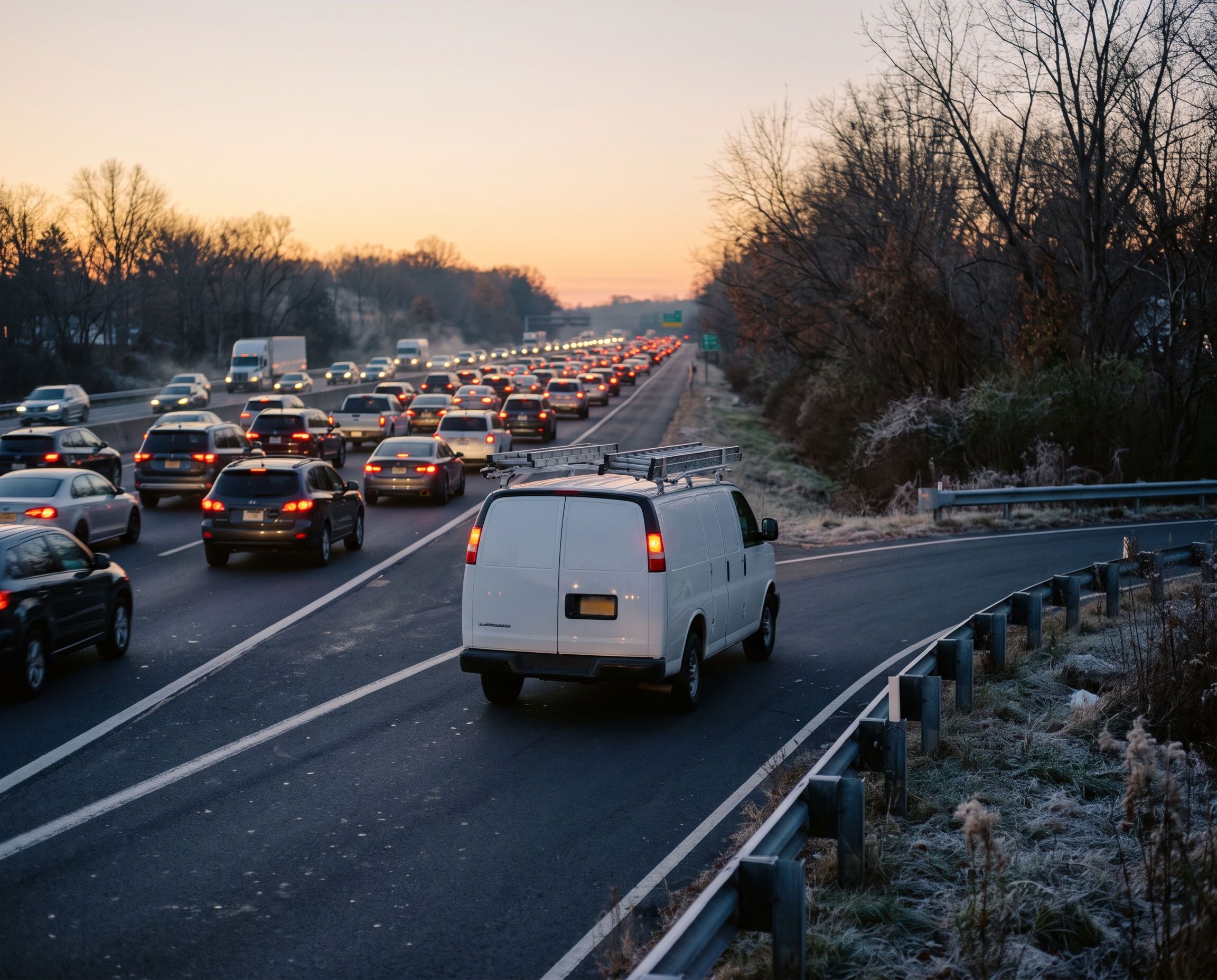
- Why holiday driver safety is a different problem this week
- Schedule around the peak days, not through them
- Kill the rushed end-of-day trip
- Set check-in times and make them real
- Coach before the week, with the data you already have
- Driver fatigue is the risk nobody schedules around
- Where fleet visibility fits
- Your holiday driver safety checklist for the week
Your Crews vs. 73 Million Holiday Drivers
AAA projects 81.5 million Americans will travel at least 50 miles from home between November 24 and November 30, and 72.9 million of them will do it by car. Nearly 90% of holiday travelers drive.
Your crews will be working in that traffic. Holiday driver safety during this specific week comes down to four decisions you can make right now: when your people drive, how hard you schedule them, how often you hear from them, and what you coach before the week starts instead of after.
Why holiday driver safety is a different problem this week
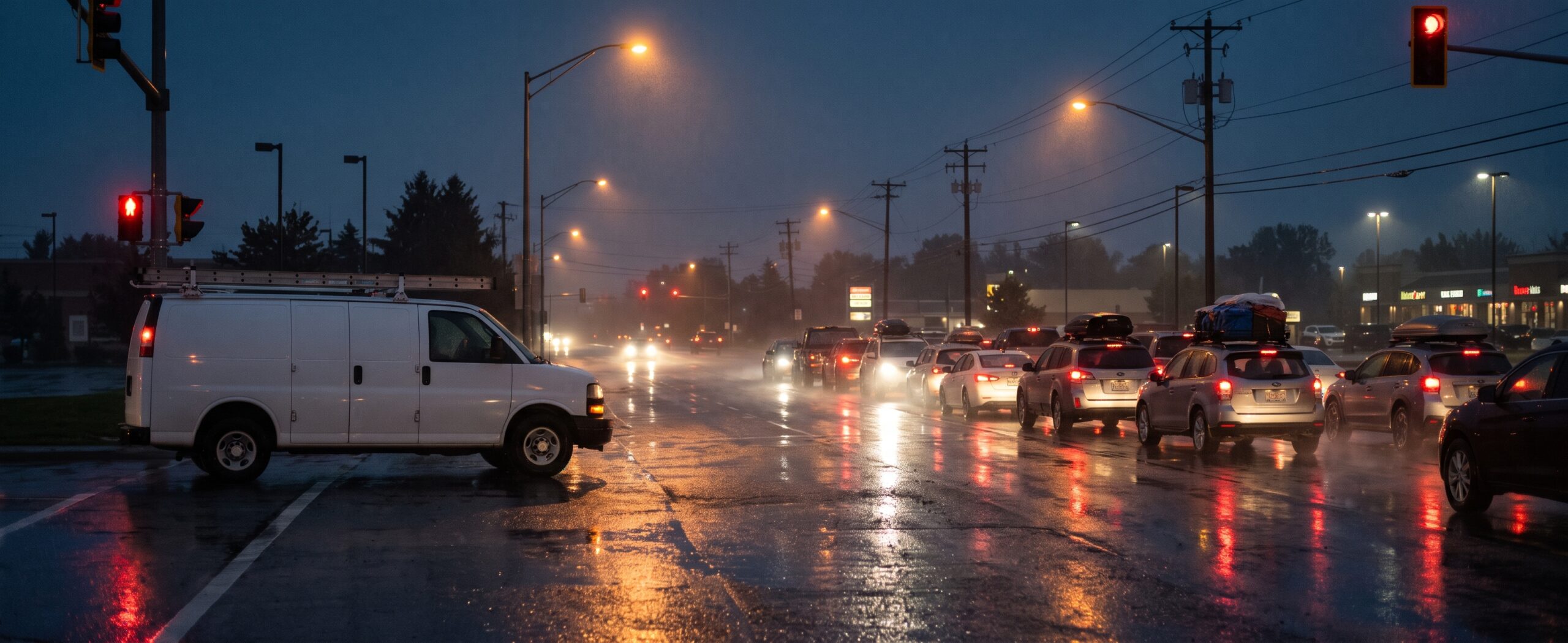
Four things stack up at once, and none of them is about your drivers.
Volume. Roads your crews use daily are carrying an enormous number of unfamiliar drivers headed somewhere they don’t know.
Impairment. This is the risk owners underestimate. According to NHTSA data, 35% of traffic fatalities on Thanksgiving Eve in 2024 involved a driver at or above the legal alcohol limit, and on Thanksgiving Day itself that figure reached 50%. Across the Thanksgiving holidays from 2020 through 2024, 910 people died in drunk-driving crashes, more than a third of all traffic deaths during those periods.
Darkness. Afternoon light is gone early across most of the country, so the last stops of the day happen in the dark at the exact moment drivers are tired and behind schedule.
Weather. Depending on your region, this is the week ice and snow enter the picture, usually before anyone has adjusted how they drive.
Your driver does everything right and still has to share the road with all of that. Thanksgiving driving safety for a fleet is mainly about reducing exposure, not about driver skill. That’s worth saying to your crews directly, because the fleet safety tips that get ignored are the ones that sound like criticism of how somebody drives.
Schedule around the peak days, not through them

The single biggest lever in holiday driver safety is when your people are on the road.
AAA and INRIX identify the heaviest congestion on the days surrounding the holiday, with afternoons the worst stretch, and they advise drivers to start trips before 11 a.m. on peak days. Thanksgiving Day itself carries the lightest highway traffic of the week.
Three moves follow from that:
- Front-load the week. Push whatever can move to earlier days and earlier hours. A job completed before noon is a job completed in lighter traffic and full daylight.
- Protect the Tuesday and Wednesday afternoons. If you can keep crews off long highway runs during those stretches, do it. That’s where the volume concentrates.
- Reschedule what can wait. Call the customer now rather than cancelling on them later. A proactive reschedule is a service touch. A no-show is a complaint.
Kill the rushed end-of-day trip
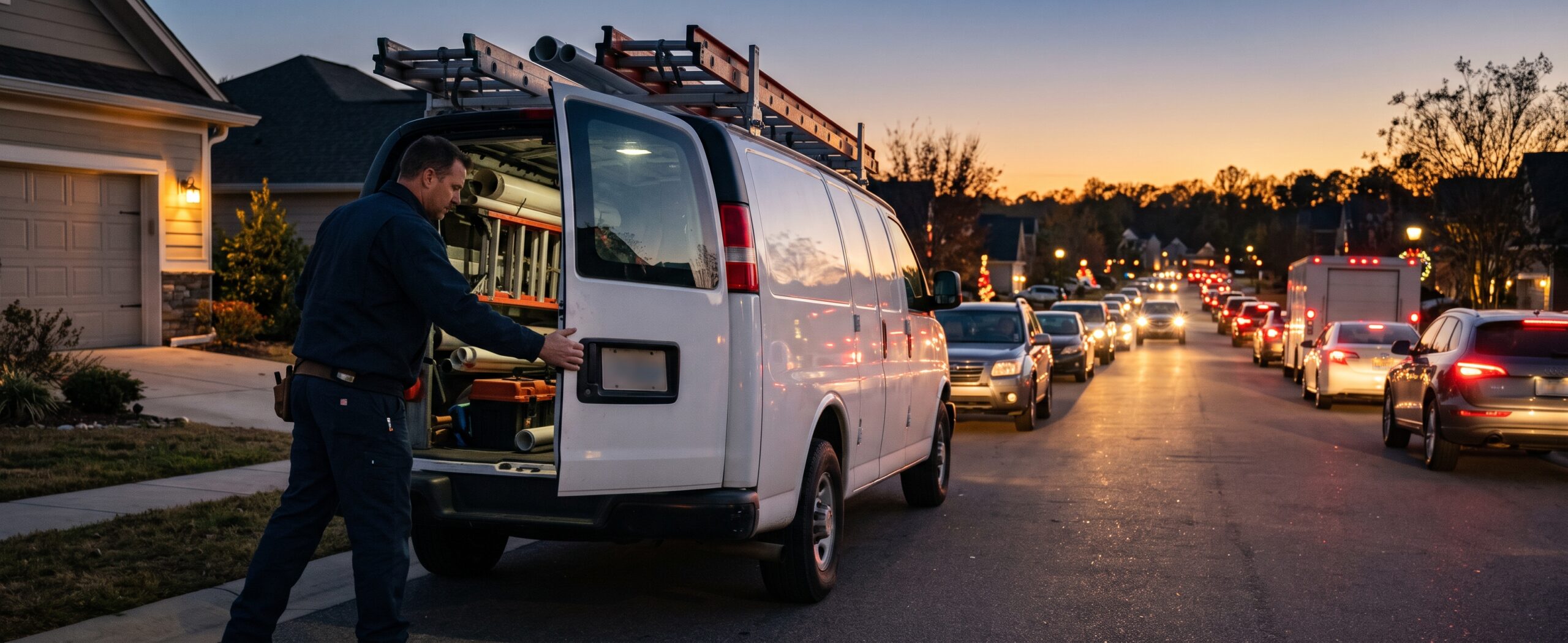
The last call of the day is where the risk lives. A tech who is behind schedule, driving in the dark, trying to get home, will make decisions he wouldn’t make at ten in the morning.
So cut the day short on purpose. Build in a buffer, stop adding calls after a set cutoff, and tell your crews explicitly that you would rather reschedule a job than have somebody rushing a thirty-mile return trip. That has to come from you, out loud, because a tech who thinks the schedule matters more than the buffer will drive like it does.
And give crews the authority to stop. The fleet safety tips that actually work are the ones that take the decision off the driver’s shoulders when he’s tired and wants to go home.
Set check-in times and make them real
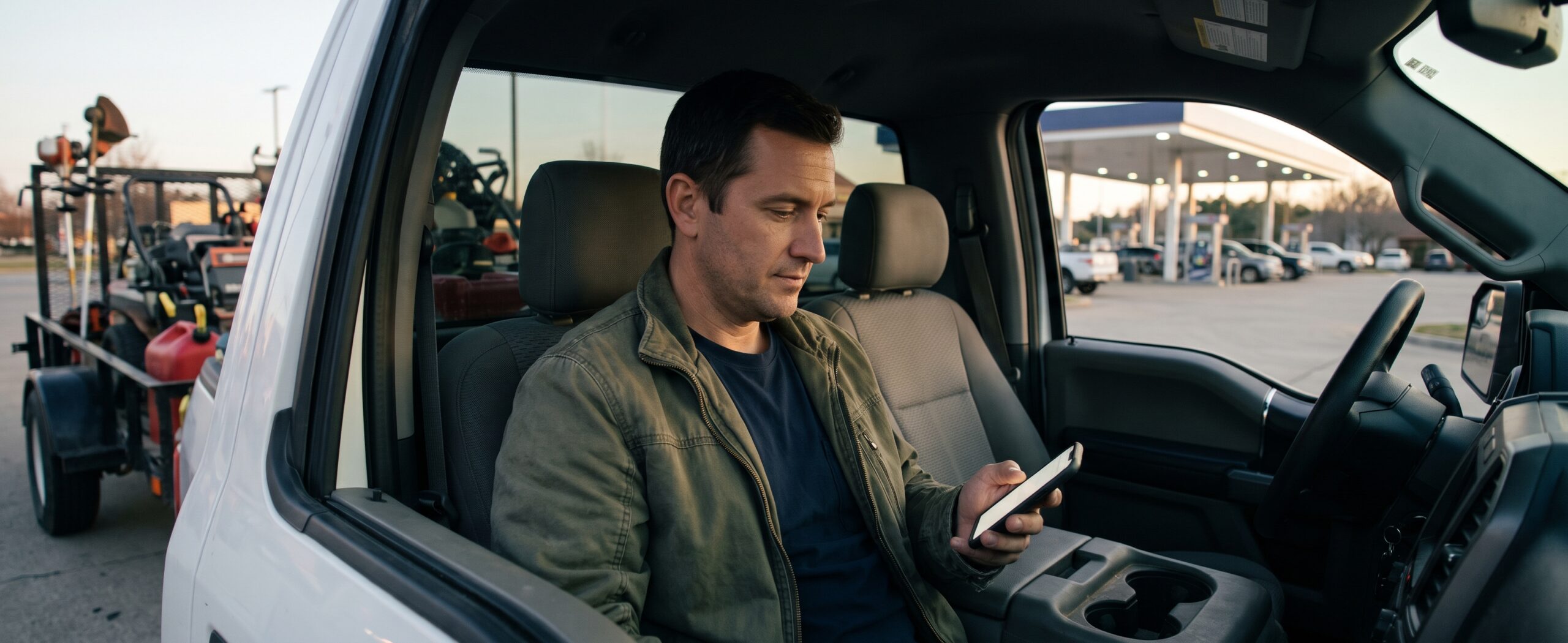
Communication is the part of Thanksgiving driving safety that costs nothing and gets skipped anyway.
Agree on when you’ll hear from each driver before the week starts, and keep it simple. One check-in at the start of the day, one after the last stop, and an immediate call if conditions turn.
Print the contact list. Cell coverage and dead batteries do not care about your plan.
Then decide in advance what happens when somebody misses a check-in. The gap between noticing and acting is where a bad situation gets worse, and nobody makes that call well under pressure.
Coach before the week, with the data you already have
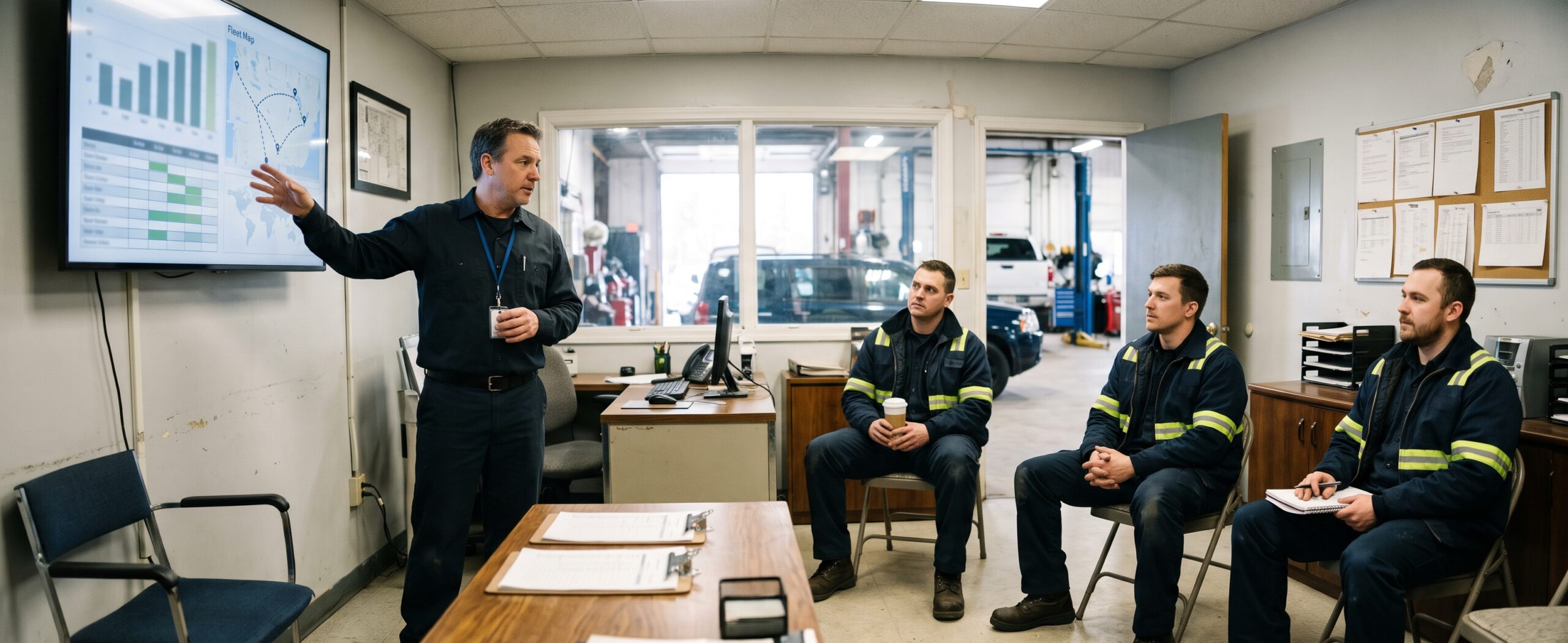
You don’t need new information to do this. Pull the last 90 days of speeding and harsh-driving events and look at who shows up repeatedly.
Then have a short conversation with those drivers before the holiday week, not after an incident. Keep it specific. “You’ve got eleven hard braking events on the same stretch of highway, let’s talk about following distance before next week” lands differently from a general reminder to be careful.
Coach, don’t discipline. A driver who feels ambushed stops telling you when something goes wrong, and during a week like this you want people calling you early.
Driver fatigue is the risk nobody schedules around
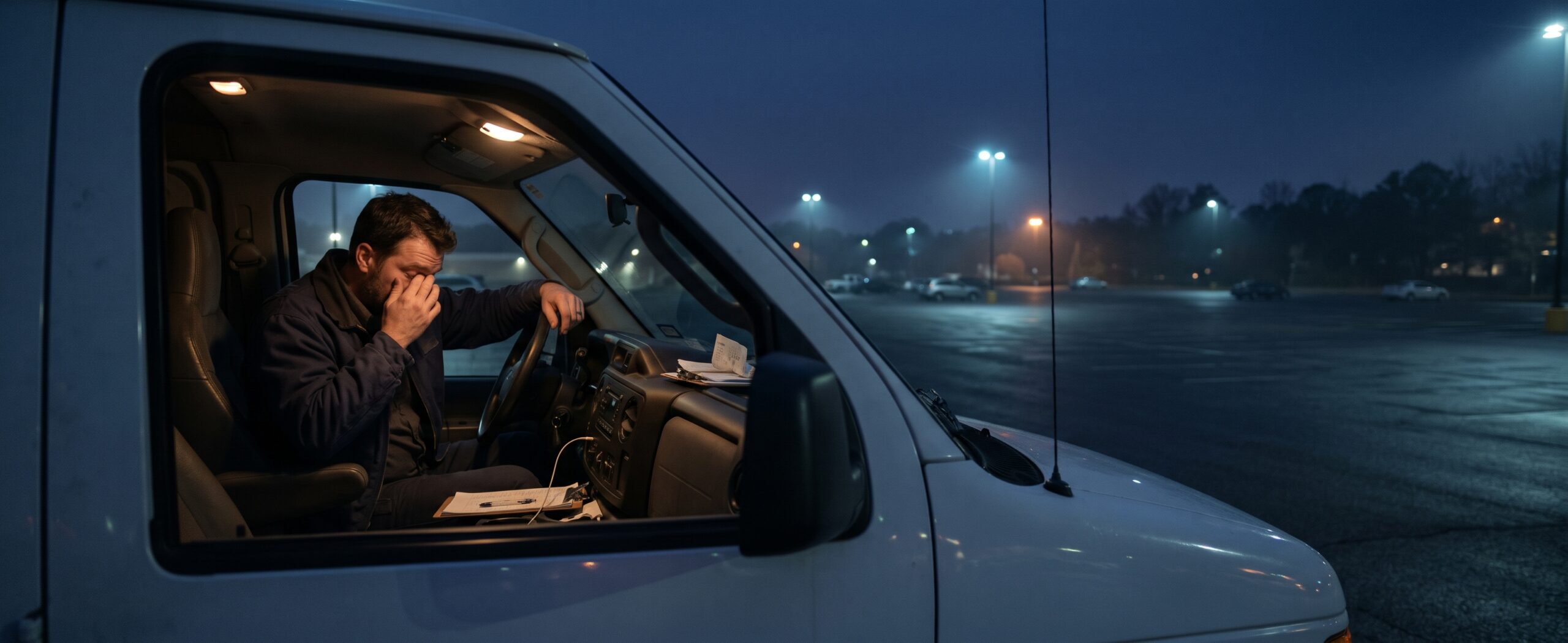
Driver fatigue builds through a compressed week, and it arrives with no obvious symptom. A driver who worked long days to clear the schedule before the holiday is impaired in a way neither of you will notice until something happens.
Watch the hours actually worked rather than the hours assigned. Pay attention to the driver who has been first out and last back for several days running. And treat driver fatigue the same way you treat weather, meaning a reason to change the plan rather than something to push through.
Where fleet visibility fits

Everything above is a management decision. Fleet visibility is what tells you if those decisions are holding.
A live map shows where crews actually are, so a missed check-in becomes a location rather than a worry. Trip history and speeding reports give you the coaching conversation before the week instead of the incident review after it. Arrival and departure records let you tell a waiting customer something true about when somebody will show up, which takes pressure off the driver to make up time.
That’s the practical case for GPS tracking during a week like this. The hardware doesn’t make anybody a safer driver. Fleet visibility tells you where your people are and which ones need a conversation, and that’s what you need when the margin for error shrinks.
Your holiday driver safety checklist for the week
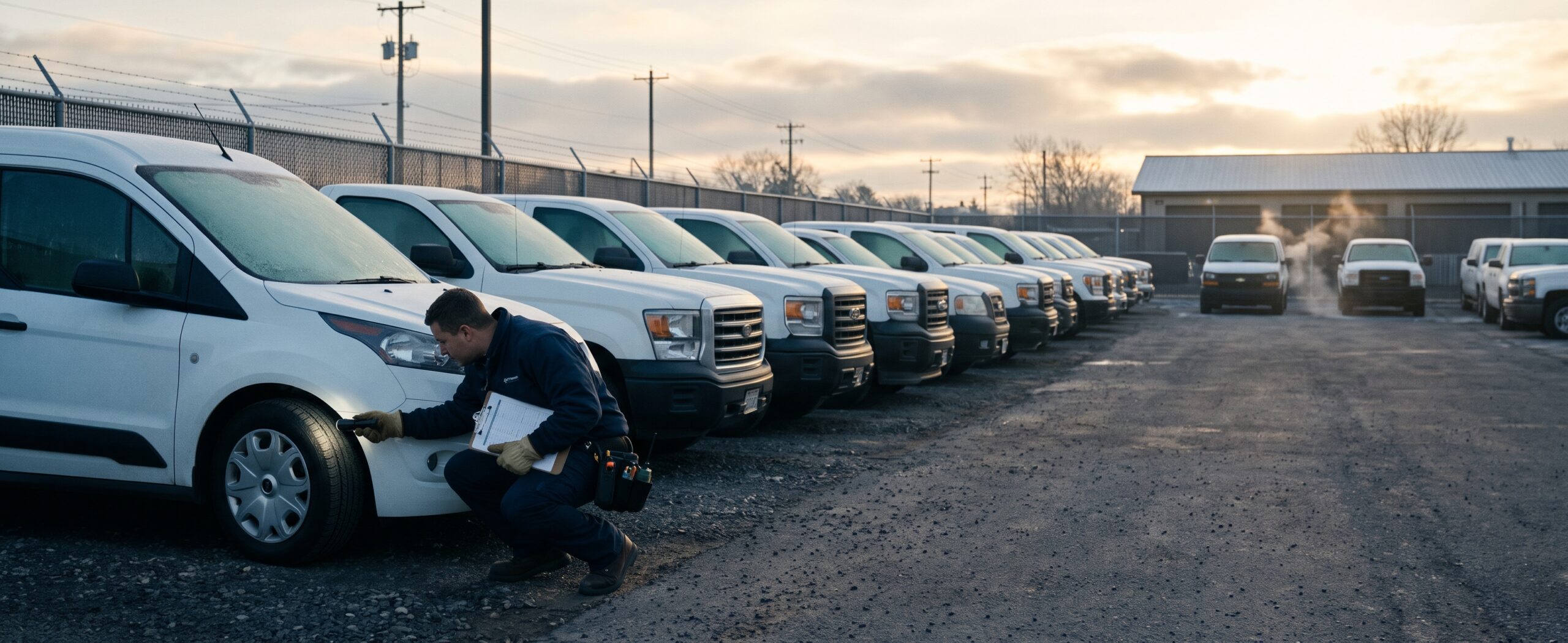
- Move what you can to earlier days and earlier hours.
- Set a hard cutoff for adding calls, and tell crews it exists.
- Agree on check-in times and what happens when one is missed.
- Pull 90 days of speeding and harsh-driving data, coach the repeat names before the week starts.
- Call customers about reschedules now rather than cancelling later.
- Print the phone list.
- Tell every driver, plainly, that no job is worth rushing a drive home.
See it live in a free demo. No contract required.
Frequently asked questions
How many people travel by car for Thanksgiving?
AAA projects 72.9 million people will travel by car during the 2026 Thanksgiving period, out of 81.5 million total travelers going at least 50 miles from home between November 24 and November 30. Nearly 90% of all holiday travelers drive, which is why road volume is the defining factor for fleets that week.
What are the worst days to drive during Thanksgiving week?
The days immediately before and after the holiday carry the heaviest congestion, with afternoons the worst stretch. AAA and INRIX advise starting trips before 11 a.m. on peak days. Thanksgiving Day itself has the lightest highway traffic of the week.
How can fleets keep drivers safe over the holidays?
Holiday driver safety comes down to reducing exposure rather than relying on driver skill. Move work to earlier days and earlier hours, set a cutoff for adding calls so nobody rushes a drive home in the dark, agree on check-in times and what happens when one is missed, and use existing speeding and harsh-driving data to coach repeat events before the week rather than after an incident.
Why is impaired driving a bigger risk during Thanksgiving week?
NHTSA data shows 35% of traffic fatalities on Thanksgiving Eve in 2024 involved a driver at or above the legal alcohol limit, rising to 50% on Thanksgiving Day. Across the 2020 to 2024 Thanksgiving holidays, 910 people died in drunk-driving crashes, more than a third of all traffic deaths during those periods. Your drivers share the road with that risk regardless of how they drive.
What are the most useful fleet safety tips for a short holiday week?
Front-load the schedule, set a cutoff for adding calls, agree on check-in times, coach repeat speeding and harsh-driving events before the week starts, and watch driver fatigue in the people working the longest days. Fleet visibility supports all of it by showing where crews actually are rather than where the schedule says they should be.
Should I pause routes during the holiday week?
Not necessarily. Reschedule what can wait, front-load what can’t, and keep crews off long highway runs during peak afternoon windows. Calling a customer in advance to move an appointment is a service touch. Cancelling at the last minute is a complaint.