
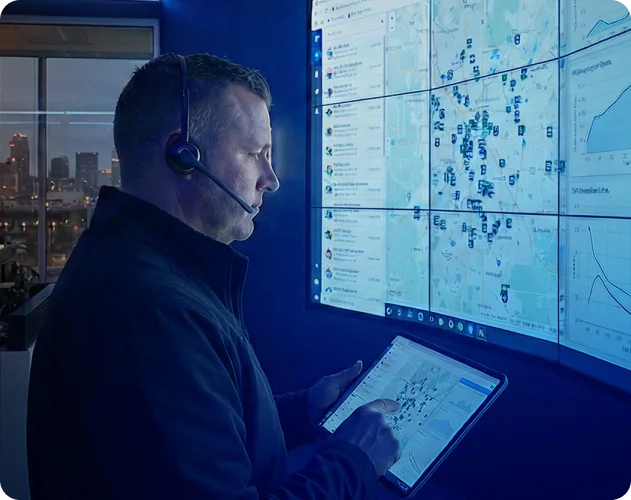
How ELD Systems Improve Operations Across Modern Fleet Management
In today’s transportation sector, fleet operators face constant pressure to do more with less. Fuel costs rise. Federal regulations evolve. Customer satisfaction expectations don’t budge. And fleet managers are expected to maintain operational efficiency without disrupting daily fleet operations.
This is exactly where Electronic Logging Devices (ELD systems) change the game.
ELDs are no longer just about meeting the ELD mandate. When implemented correctly, ELD technology becomes a core part of modern fleet management systems, helping fleet managers streamline operations, reduce operational costs, improve driver safety, and gain real-time data that leads to better decisions.
Let’s break down how ELD improve operations and why fleets that treat them as a strategic tool consistently outperform those that don’t.
What Are Electronic Logging Devices (ELDs)?
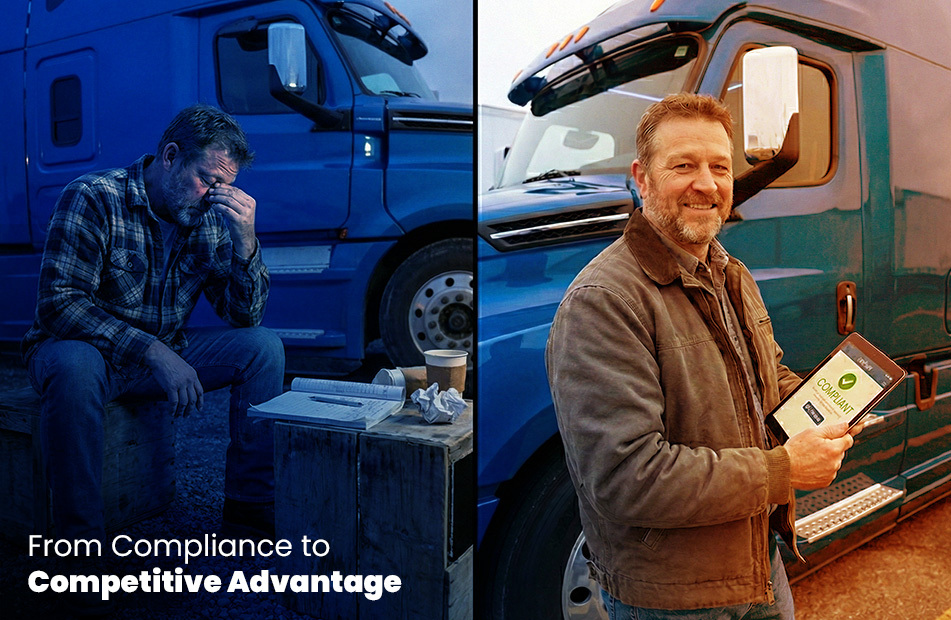
Electronic Logging Devices are federally mandated tools that connect directly to a vehicle’s engine to automatically record Hours of Service (HOS), engine hours, vehicle movement, and duty status.
They replace manual logbooks with accurate electronic records that comply with Federal Motor Carrier Safety Administration (FMCSA) and Motor Carrier Safety Administration requirements.
A complete ELD system typically includes:
- ELD devices connected to the vehicle’s engine
- Driver-facing apps for logging hours and duty status
- Cloud-based electronic records storage
- Fleet management dashboards that allow fleet managers to monitor activity in real time
Compared to paper logs, ELD systems dramatically reduce administrative tasks and ensure service regulations are followed with minimal disruption.
How ELD Systems Improve Fleet Operations
Improving Operational Efficiency with Real-Time Data
Operational efficiency starts with visibility.
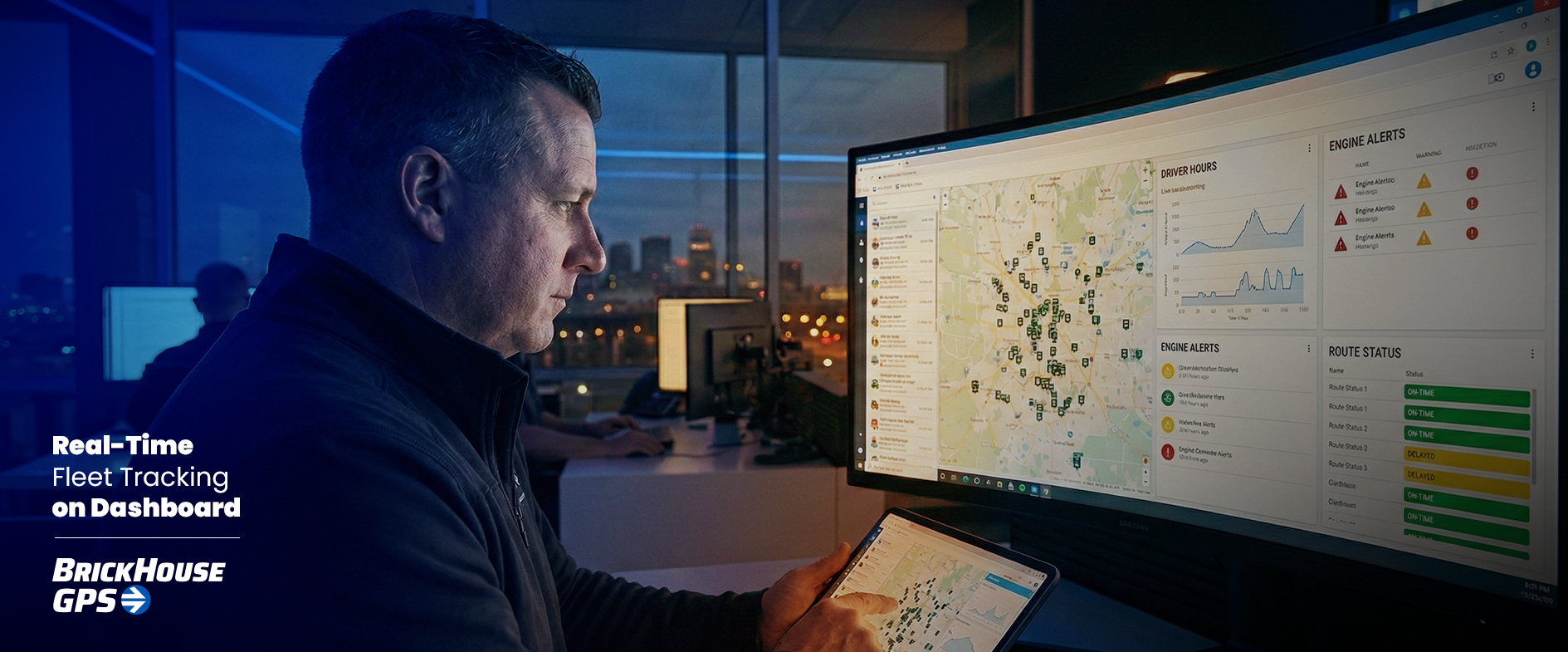
ELD systems provide real-time GPS tracking, vehicle location updates, and real-time tracking of drivers operating under HOS regulations. That data allows fleet managers to:
- Monitor vehicle usage and movement
- Identify idle time and inefficient routes
- Respond faster to delays or disruptions
By using real-time data instead of guesswork, fleets improve overall operational efficiency and fleet efficiency across the board.
Fleet Management Becomes Proactive, Not Reactive
Modern fleet management systems powered by ELD technology give fleet operators valuable insights into:
- Fuel usage and fuel consumption trends
- Vehicle performance and engine health
- Driver behavior patterns
Instead of reacting after a problem happens, fleet managers can act early, optimizing routes, adjusting schedules, and preventing downtime before it impacts customer satisfaction.
Reducing Fuel Costs and Improving Fuel Efficiency
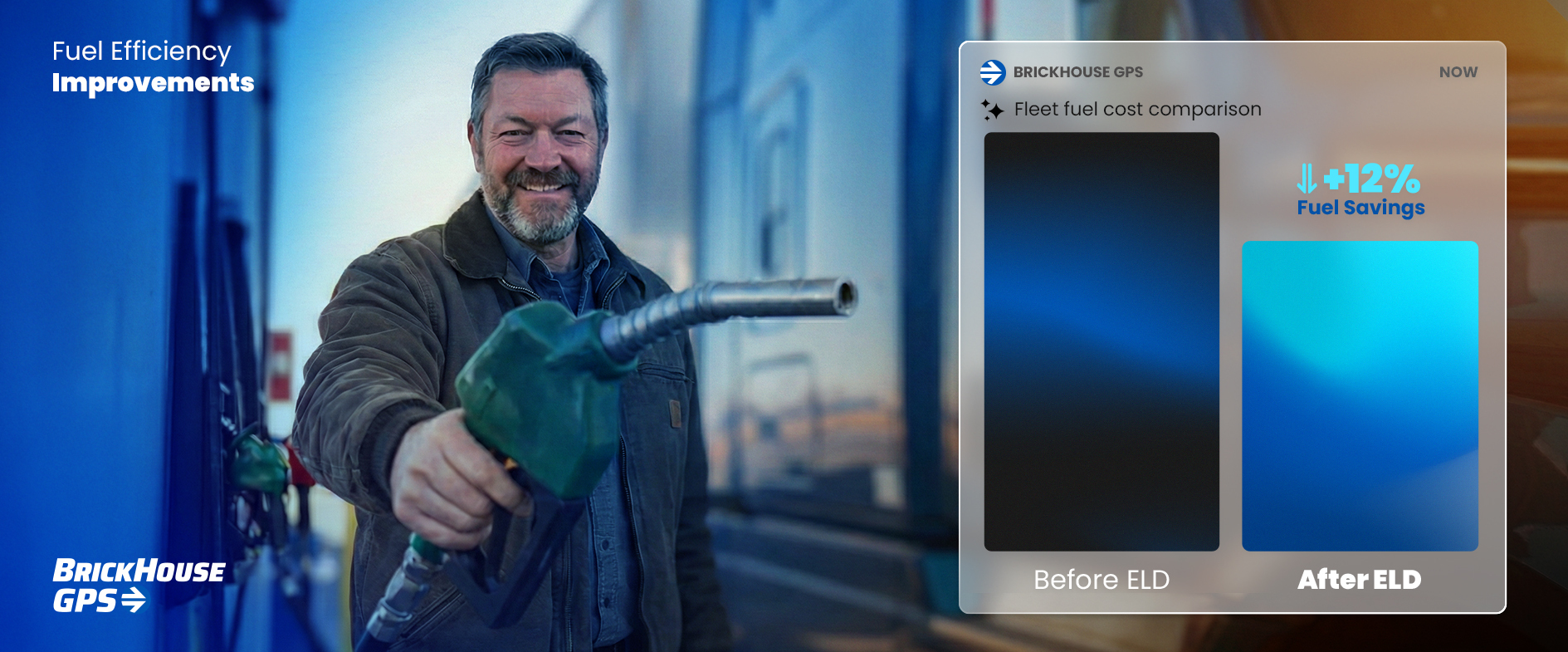
Fuel is one of the largest operational costs in fleet operations.
With real-time GPS tracking and accurate vehicle movement data, ELD systems help:
- Optimize routes and avoid inefficient detours
- Reduce idle time
- Improve fuel efficiency across the fleet
Even small gains in fuel usage optimization add up quickly, ultimately leading to lower operational costs and measurable cost savings.
Ensuring Regulatory Compliance Without the Stress
The ELD mandate requires most drivers in the trucking industry to track Hours of Service electronically. Failing to comply leads to costly penalties, failed audits, and lost productivity.
ELD systems ensure compliance by:
- Automatically tracking Hours of Service (HOS)
- Creating accurate, tamper-resistant electronic records
- Keeping data inspection-ready at all times
Improved compliance protects fleets from violations while reducing the administrative burden on drivers and office staff.
Improving Driver Safety and Reducing Risk
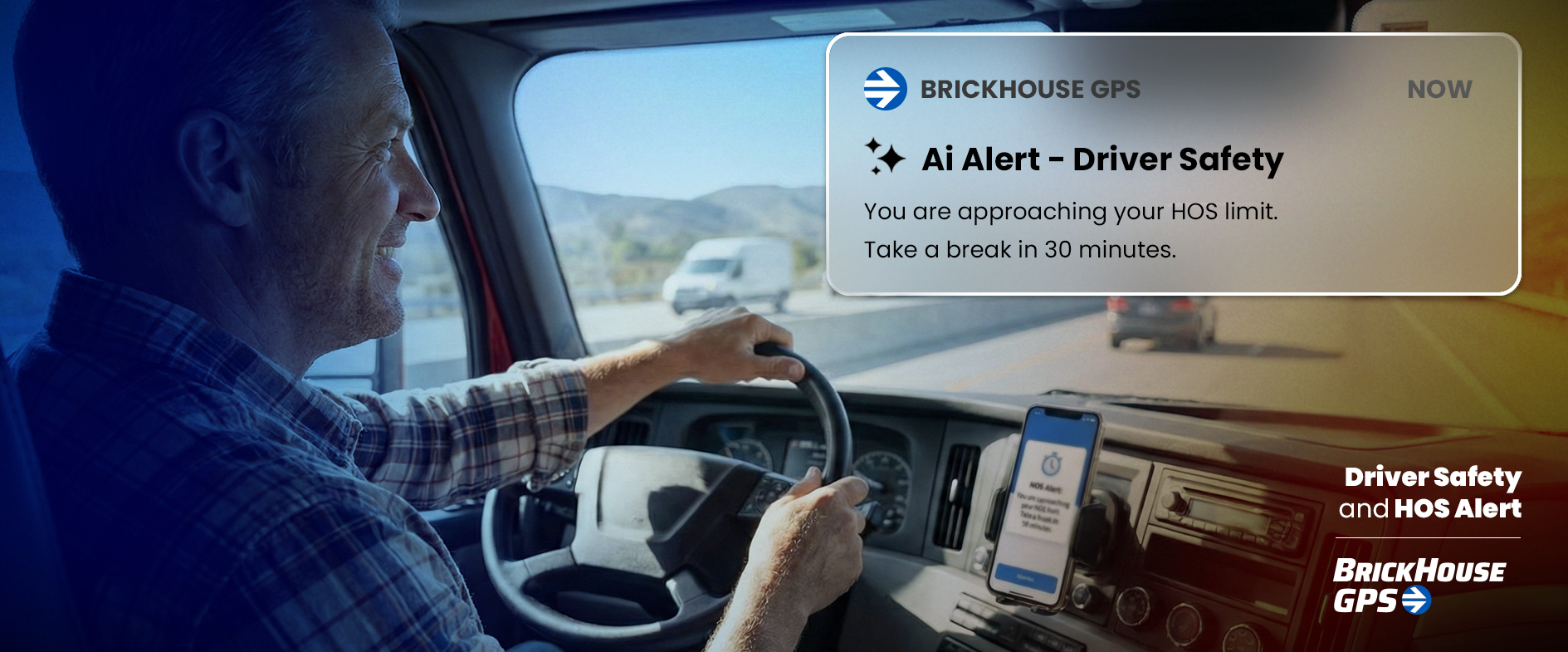
Driver fatigue remains one of the biggest risks in fleet operations.
ELDs enhance safety by:
- Monitoring driver behavior such as speeding or harsh braking
- Alerting drivers and dispatchers when HOS limits are approaching
- Supporting targeted training programs based on real data
Better driver safety leads to fewer accidents, lower insurance premiums, and safer roads, while helping fleets retain quality drivers.
Improving Route Planning and Maximizing Productivity
Route planning impacts everything from fuel costs to delivery times.
ELD systems use real-time GPS tracking and historical data to:
- Identify efficient routes
- Align routes with drivers operating within HOS regulations
- Improve on-time performance
This allows fleet managers to maximize productivity while maintaining compliance and reducing stress on drivers.
Reducing Repair Costs with Maintenance Alerts
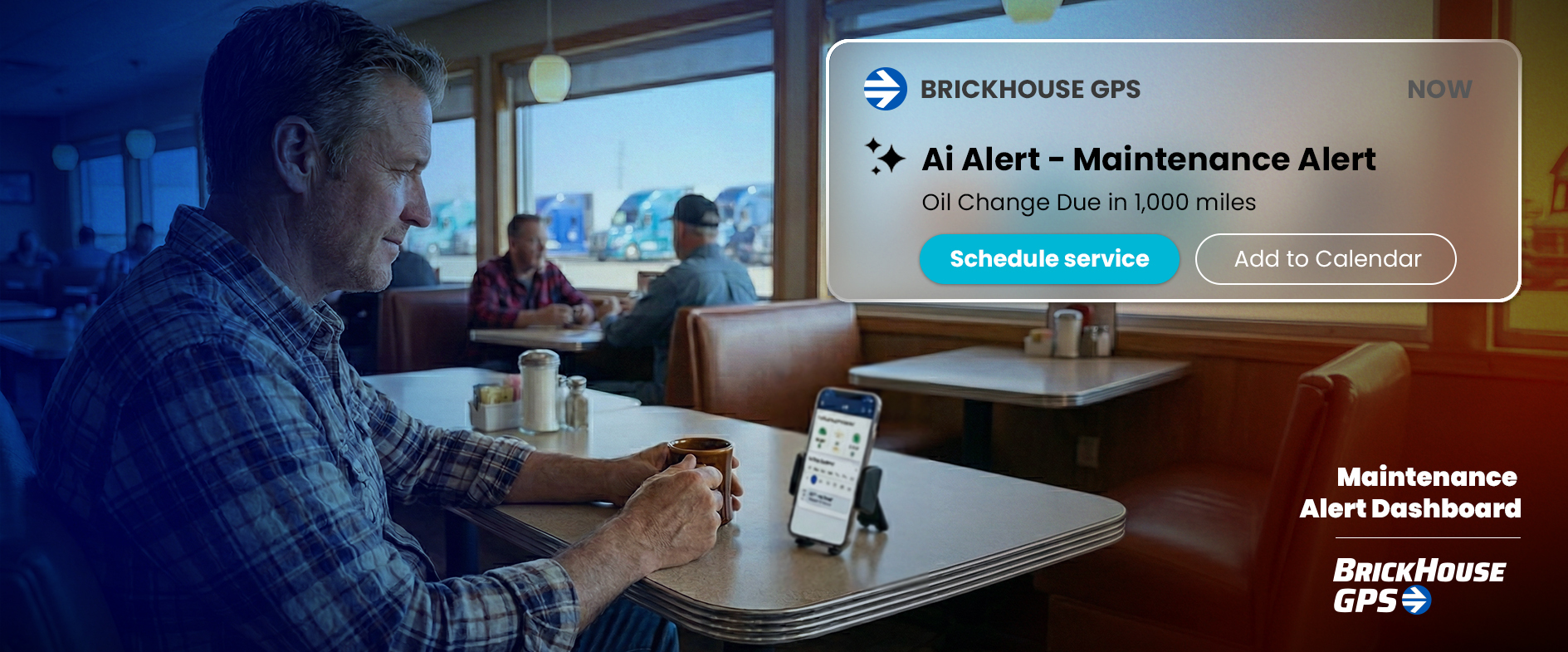
Unplanned maintenance is expensive.
ELD technology tracks engine hours, vehicle usage, and performance data that can trigger maintenance alerts. These alerts help fleets:
- Prevent breakdowns
- Schedule maintenance proactively
- Reduce repair costs and downtime
Reducing repair costs directly contributes to reduced operational costs and improved overall efficiency.
Data Analytics: Turning Valuable Data Into Action
ELD systems generate massive amounts of valuable data, but data analytics is what turns that information into results.
Fleet managers can analyze:
- Historical data on driver behavior and vehicle performance
- Fuel consumption trends
- Route efficiency and idle time
When ELD systems integrate with broader fleet management systems, TMS, or ERP platforms, they unlock even deeper operational insights.
Choosing the Right ELD Solution
Not all ELD providers deliver the same value.
The right ELD solution should offer:
- FMCSA-certified ELD devices
- Integration capabilities with existing fleet management systems
- Real human customer support
- Scalable tools that grow with your fleet
Choosing the wrong system leads to frustration, poor adoption, and lost ROI.
Implementing ELD Systems with Minimal Disruption
Successful ELD implementation focuses on adoption, not just installation.
Best practices include:
- Training drivers and staff early
- Rolling out ELD solutions in phases
- Monitoring performance metrics from day one
A smooth rollout ensures enhanced efficiency without disrupting fleet operations.
ELD Systems and the Future of Fleet Operations
Technological advancements in ELD technology continue to reshape fleet management.
Modern ELD systems support:
- Cloud-based updates
- Advanced GPS tracking
- Integration with connected vehicles
As federal regulations and service regulations evolve, fleets using adaptable ELD systems stay compliant and competitive.
Conclusion: How ELD Systems Improve Operations Long-Term
ELD systems are no longer just about logging hours, they are a foundation for smarter fleet management.
By leveraging real-time tracking, data analytics, and improved compliance, ELD systems help fleet operators:
- Lower operational costs
- Improve fuel efficiency
- Enhance driver safety
- Reduce repair costs
- Maximize productivity
- Improve customer satisfaction
Ultimately leading to stronger performance across fleet operations.
Ready to run a leaner, more efficient fleet?
Explore ELD solutions designed for real-world fleet managers, not box-checking compliance tools.
FAQs
1. How do ELD systems improve operational efficiency?
By automating HOS tracking, reducing paperwork, and providing real-time insights into vehicle performance, fleets streamline operations and improve overall efficiency.
2. What data do ELD systems collect?
They track engine hours, vehicle location, driver behavior, and duty status, helping fleet managers stay compliant and optimize performance.
3. Can ELD systems reduce fuel costs?
Yes. With better route planning and reduced idle time, fleets can significantly lower fuel consumption and increase fuel efficiency.
4. Are ELDs required for all commercial drivers?
Most drivers in the trucking industry must comply with the ELD mandate, especially those operating under Hours of Service rules.
5. How do ELDs help with maintenance?
By monitoring vehicle performance and generating maintenance alerts, they help reduce breakdowns and repair costs.
6. Do ELDs improve safety?
Yes. By tracking driver behavior and preventing fatigue, ELDs help enhance safety and reduce accident risks.
7. How do ELDs support compliance with federal regulations?
ELDs ensure accurate, tamper-proof records of HOS, helping fleet operators avoid costly penalties and pass inspections.
8. Can ELD systems integrate with other fleet tools?
Absolutely. The best ELD solutions offer integration capabilities with TMS, ERP, and fuel tracking software.
9. What should I look for in an ELD provider?
Look for compliance certification, ease of use, real-time data access, and strong customer support for a smooth experience.