“Throughout my career, I’ve used several types of vehicle locating devices, and BrickHouse GPS’ technology and customer service really stood out.”
— Corey Unger, Principal Consultant, Sierra Spatial Solutions
Company Overview


Sierra Spatial Solutions designs GIS-based applications for businesses and government agencies, building custom systems that turn location data into working operational tools. Principal consultant Corey Unger has spent his career in geographic information systems, and his projects range from fleet management to asset tracking for organizations that need something built around how they actually work.

A Digital Logbook Wasn’t Going to Be Enough
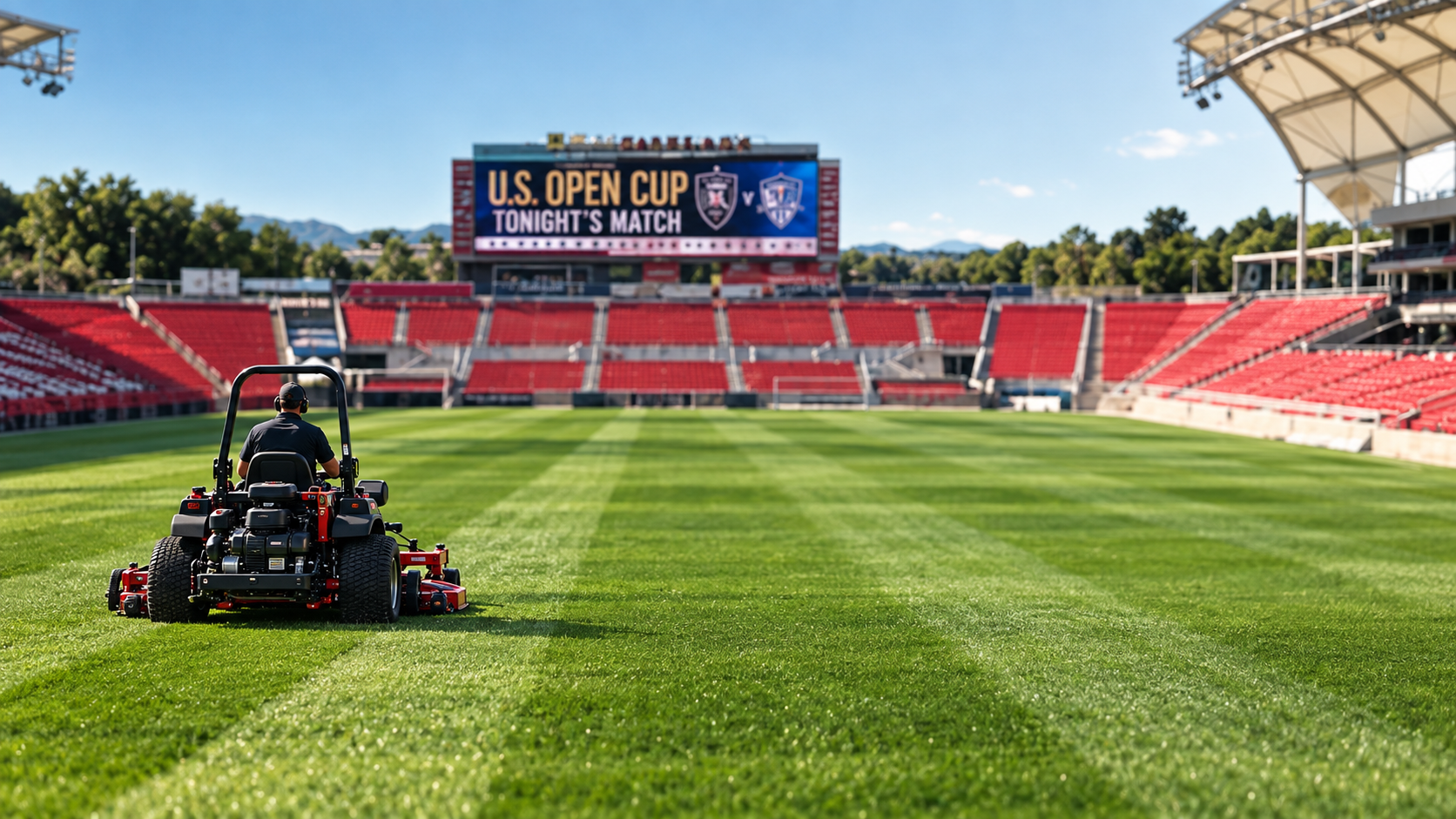
Real Salt Lake came to Sierra Spatial with a straightforward request. The Major League Soccer club runs 11 vehicles and a large riding mower between its stadium and its practice facility in Sandy, Utah, and Dan Farnes, the club’s director of fields and grounds, wanted a digital logbook drivers could update by hand.
The club had already looked at what the market offered. Nothing they found fit a fleet that size without being too complex or too expensive to justify.
Unger saw a way to make it worth more than it was being asked to do. A logbook only holds what a driver remembers to type into it. Connect the same system to GPS data from each vehicle and the routes, locations, speed, and mileage record themselves, with no one having to stop and write anything down.
That decision changed what he needed to source. The application would only be as reliable as the location data feeding it.
Finding a Better Way
Unger had worked with several types of vehicle locating hardware over the years, and his search kept coming back to BrickHouse GPS. Device quality and value got his attention. What settled it was the API and the data practices behind it, updates every five seconds and a year of data retention, plus being able to test the hardware and the API before buying.
As Corey Unger, Principal Consultant at Sierra Spatial, put it, “The way that BrickHouse GPS sends data is very clear and consistent. That makes integrations and analytics much easier to set up and run.”
When Unger had questions about the data feeds, he got a meeting with a developer instead of a ticket number.
The system went live in 2024. Unger fitted the 11 vehicles with OBD trackers and wired a unit directly to the mower’s battery. Drivers scan a QR code inside the vehicle, enter their information in a phone app, and the trip starts recording.
The End of the Missed Oil Change
Farnes now pulls trip details and maintenance records for every vehicle from a dashboard on his desktop or his phone. Scheduling improved with it, so each operational group inside the club can count on having the vehicle it needs when it needs it.
As Farnes described it, “It provides a wealth of detailed information while taking human error and manual work out of the equation.”
The piece he singles out is the automated upkeep reminder, triggered by the mileage the trackers report.
“Those notifications have virtually eliminated our issue with missing oil changes or registration due dates. We are no longer paying late fees or running vehicles without the proper maintenance.”
— Dan Farnes, Director of Fields and Grounds, Real Salt Lake
“I’ve been really surprised by how easy it has been. We’ve been stoked by how it has helped us have all the information about our vehicles in one place.”
— Dan Farnes, Director of Fields and Grounds, Real Salt Lake