

GPS in Local Government

GPS tracking helps communities manage their fleets, cut costs, and improve efficiency
Commercial fleets and police departments have been successfully using GPS tracking to manage their vehicles for quite some time; towns and cities are now jumping on the vehicle-tracking bandwagon and reaping similar benefits. As municipalities and other local governments find themselves working with shrinking budgets, GPS vehicle tracking has become an increasingly popular way to cut costs and boost productivity.
Without GPS tracking, municipalities are faced with the task of managing a fleet they can’t see. Installing tracking devices on snowplows, waste management vehicles, street sweepers, and more can provide valuable insight into how fleets are being used and help towns more effectively utilize their existing assets. Let’s take a closer look at the benefits of GPS tracking for municipal vehicles.
Reducing Costs
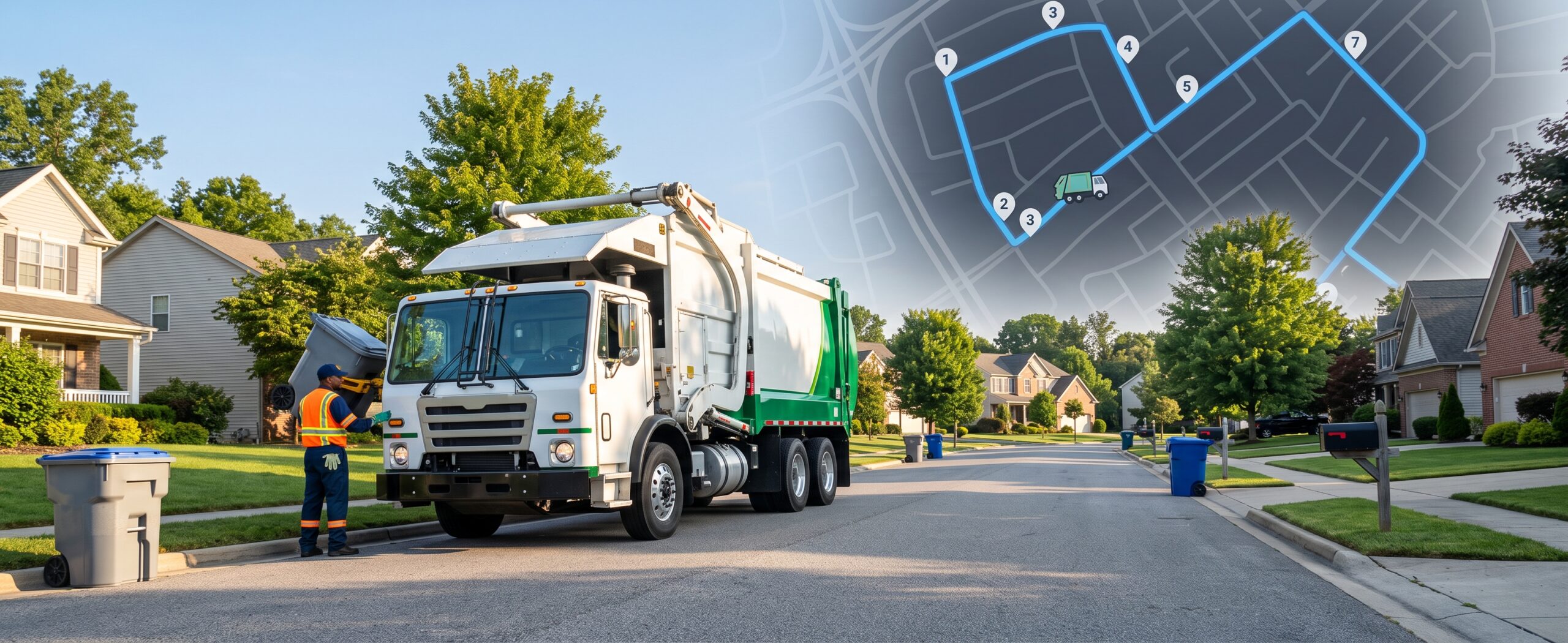
Fuel costs add up to a significant expense for local governments that have a sizable fleet. A GPS tracking system can help curb the speeding and unnecessary idling that lead to wasted fuel. These seemingly innocuous driving behaviors can make a big difference in fuel costs; in fact, driving even a few miles above a posted speed limit can have a marked impact on fuel efficiency.
In addition, GPS tracking data can help towns and cities develop more efficient snow-removal and waste-management routes to conserve even more fuel. The Town of Islip, a 106-square-mile network of communities in New York State, experienced some of these benefits after implementing a GPS-based fleet management system in 2007. Fuel usage during the months of May, June, and July of that year fell by nearly 14,000 gallons compared to the same three months of the previous year; this reduction in fuel usage saved the town over $32,000.
Using fuel more wisely doesn’t just save money for these local governments; it also reduces the carbon footprint of a municipal fleet. Since a large share of greenhouse gas emissions in the United States comes from vehicles, reducing inefficiencies like idling and poorly planned routes can make a big difference in a fleet’s emissions.
Accountability and Management

GPS tracking technology can provide a simple way for towns and municipalities to manage their employees more effectively. With data from these systems, local governments can ensure that workers are making the stops they need to make. Tracking data can also be used to confirm that workers move efficiently from stop to stop and don’t waste time idling. In addition to tracking vehicle usage during work hours, tracking systems can help deter the unauthorized use of public vehicles during off-hours.
Boosting Efficiency
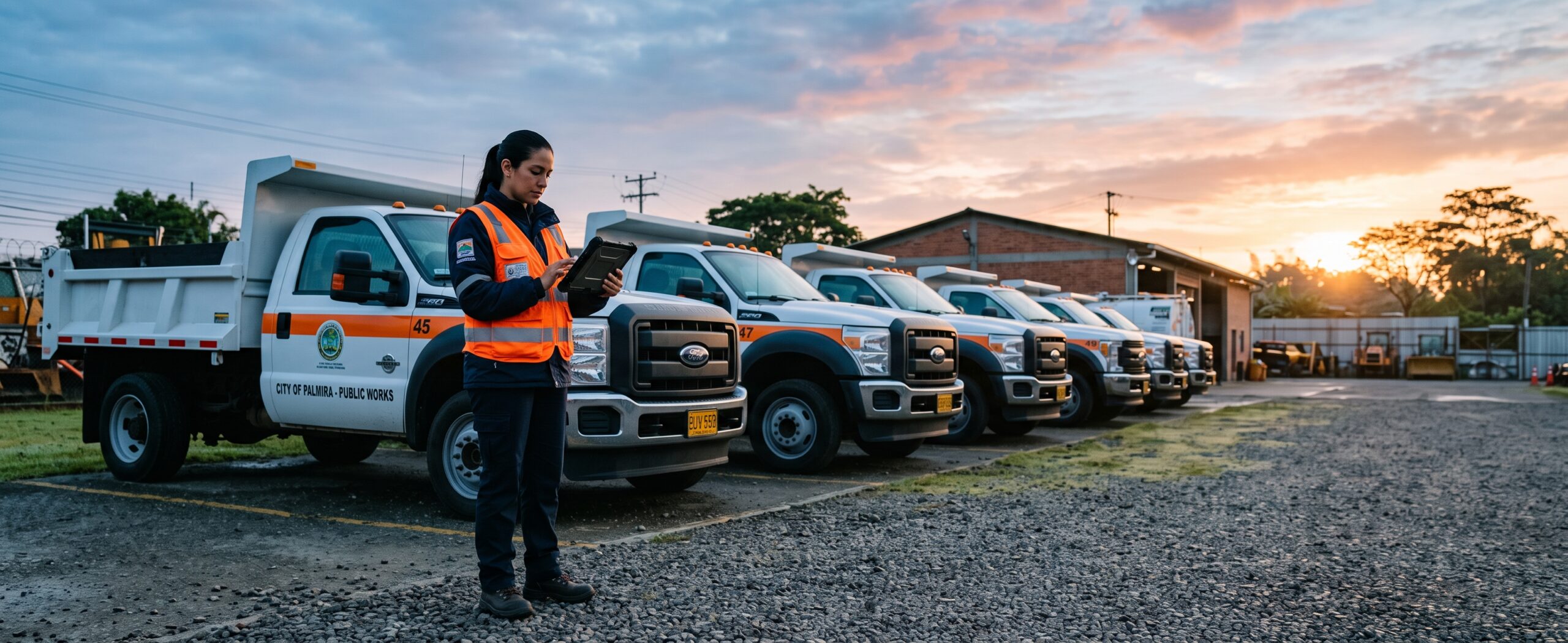
GPS vehicle tracking can improve the efficiency of municipal fleets in a wide variety of ways. Snow removal, for example, is a significant expenditure in a town or city’s budget. GPS technology can help cities plan the most fuel-efficient routes for snow removal; speed and location data can help improve routes by avoiding recurring traffic delays. Trackers can also help town officials determine which streets and roads have already been plowed and which ones still require snow removal. In the event of an emergency such as a water main break, GPS tracking can help dispatchers determine the closest crew to send to the scene.
Improving Driver Safety
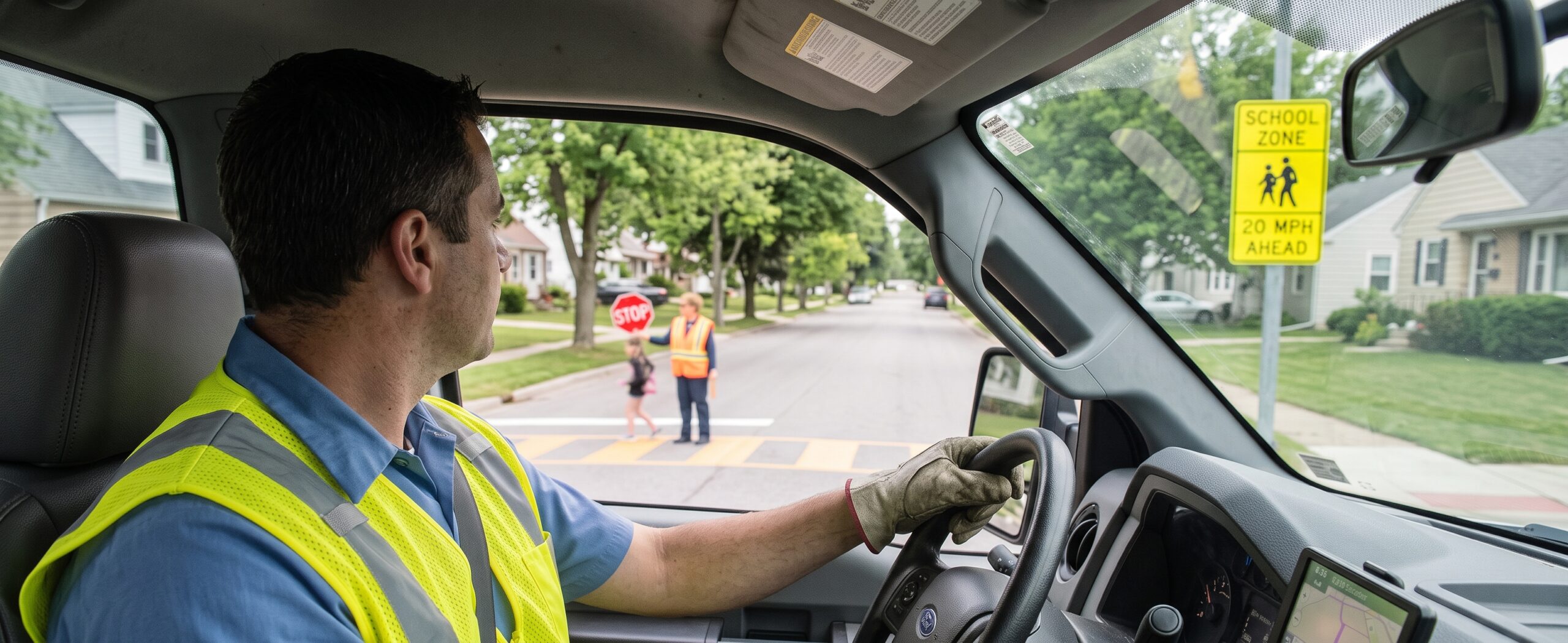
GPS technology can help municipal fleet managers improve the safety of both their vehicle drivers and the general public. Remember those bumper stickers that asked, “How’s my driving?” and invited observers to call and report on a driver’s behavior? GPS tracking data can render those stickers obsolete, providing a wealth of information on driving habits such as speeding and unsafe braking.
After the city of Augusta, Georgia, implemented a GPS fleet tracking system in late 2008, the number of accidents in which city employees were determined to be at fault decreased by nearly 30 percent during the first 12 months of the system’s use. GPS tracking can also help keep drivers safe by identifying harsh weather or other dangerous conditions and diverting drivers to a less hazardous route.
Keeping municipal vehicles well maintained doesn’t just extend their useful life; it also makes them safer. Automated reminders can alert fleet managers about upcoming maintenance such as tune-ups and oil changes, and usage information from GPS trackers can even provide fleet managers with insight into repairs that may be needed. Taking care of municipal vehicles lowers the risk of potentially dangerous situations on the road.
Providing Valuable Proof

Municipal fleets occasionally end up involved in lawsuits, but GPS tracking data can be an invaluable tool in defending against such claims. With information from GPS tracking software, a vehicle’s exact location and speed at a given time can be retrieved, making it easy to prove whether a driver was at fault.
It’s clear that towns and other local governments are making good use of GPS vehicle tracking for their municipal fleets. With increasing integration of driver and vehicle data, the future looks bright for tracking devices: These real-time tracking systems will be able to deliver even more benefits to municipalities going forward. The true value of a GPS tracking system lies in the way that data is used, and local governments are making great use of this information.
See routing, driver safety and maintenance in 15 minutes.
Frequently asked questions
How do local governments use GPS vehicle tracking?
Local governments use GPS vehicle tracking to monitor municipal fleets such as snowplows, waste management vehicles, and street sweepers. The data helps them plan efficient routes, reduce fuel costs, confirm that crews complete their stops, improve driver safety, and dispatch the closest crew during emergencies.
What are the benefits of GPS tracking for municipal fleets?
GPS tracking helps municipal fleets lower fuel costs, reduce idling and speeding, improve route planning, increase employee accountability, schedule maintenance on time, and provide location and speed records that can be used in legal disputes.
How does GPS tracking reduce fuel costs for cities and towns?
GPS tracking reduces fuel costs by identifying speeding and unnecessary idling, two habits that waste fuel. Cities and towns can also use tracking data to build more efficient snow removal and waste collection routes. After adopting a GPS-based fleet management system, the Town of Islip, New York, cut fuel usage by nearly 14,000 gallons over three months and saved over $32,000.
Can GPS tracking help with snow removal?
Yes. GPS tracking helps municipalities plan fuel-efficient snowplow routes, avoid recurring traffic delays, and see which streets have already been plowed and which still need service.
How does GPS tracking improve accountability for municipal employees?
GPS tracking shows whether workers make their required stops, move efficiently between locations, and avoid excessive idling. It also helps deter unauthorized use of public vehicles during off-hours.
Does GPS tracking make municipal drivers safer?
Yes. GPS tracking records driving habits such as speeding and harsh braking so fleet managers can address unsafe behavior. After Augusta, Georgia, implemented GPS fleet tracking, at-fault accidents involving city employees dropped by nearly 30 percent in the first year.
How does GPS tracking help with municipal vehicle maintenance?
GPS tracking systems send automated reminders for scheduled maintenance such as oil changes and tune-ups. Usage data can also flag assets that may need repairs, which extends vehicle life and lowers the risk of breakdowns on the road.
Can GPS tracking data be used in lawsuits involving government vehicles?
Yes. GPS tracking data records a vehicle’s exact location and speed at a specific time. Municipalities can use this information to show whether a driver was at fault when a claim is filed against the city or town.
Does GPS tracking help local governments reduce emissions?
Yes. By cutting idling and improving route efficiency, GPS tracking lowers fuel consumption, which reduces the carbon footprint of a municipal fleet.
What types of municipal vehicles can use GPS tracking?
GPS tracking works on a wide range of municipal assets, including snowplows, garbage trucks, street sweepers, public works vehicles, utility service vehicles, and emergency response vehicles.